Learn More
Give the gift of wellness: 20% off sitewide with code FESTIVE20. Exclusions apply.
Free Shipping + 30 Day Risk Free Returns*


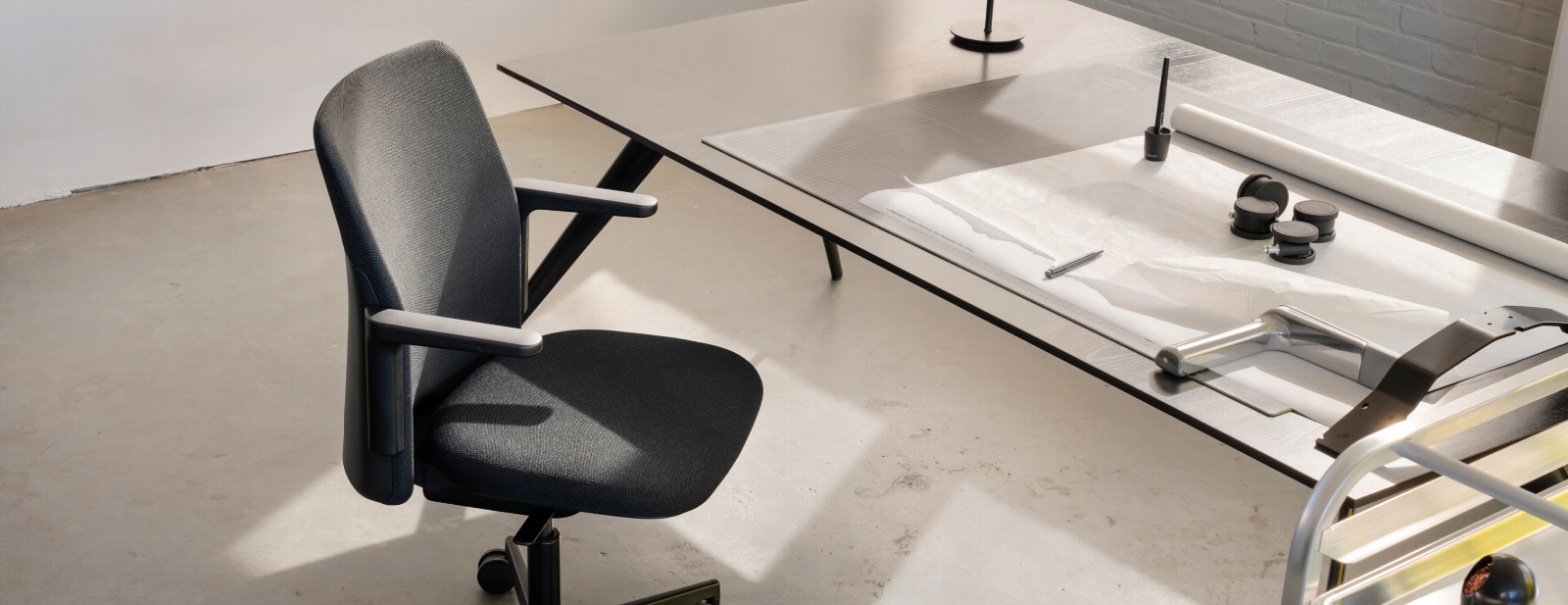
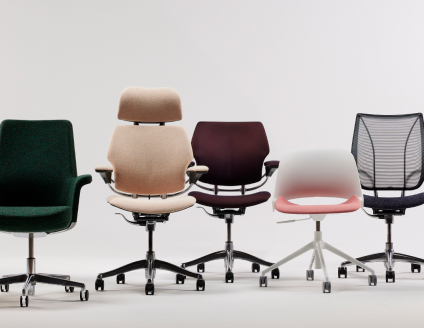
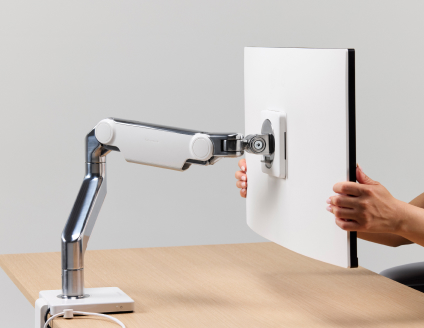
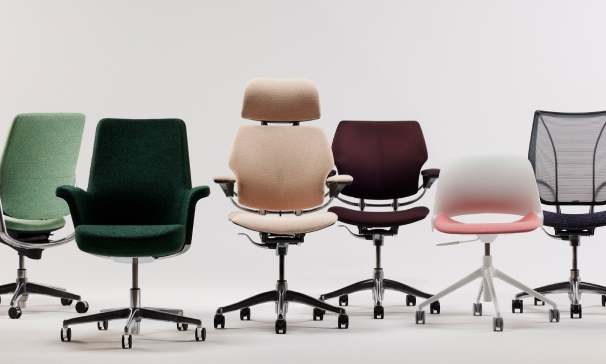
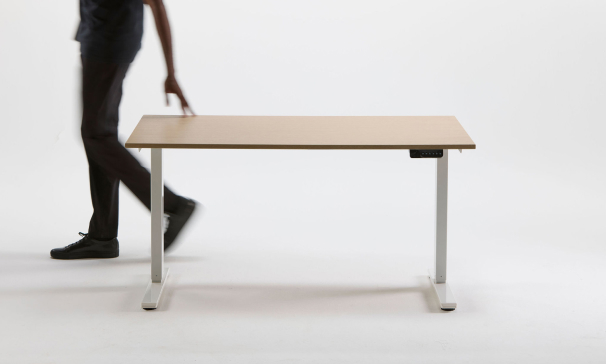
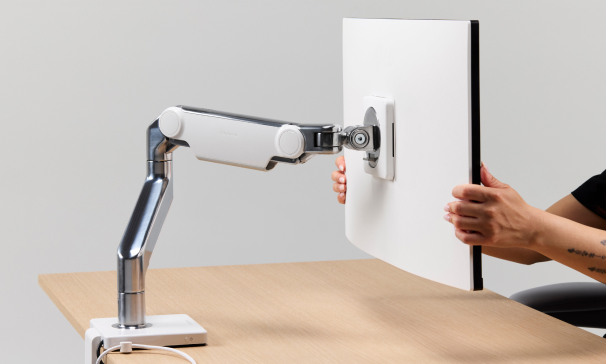
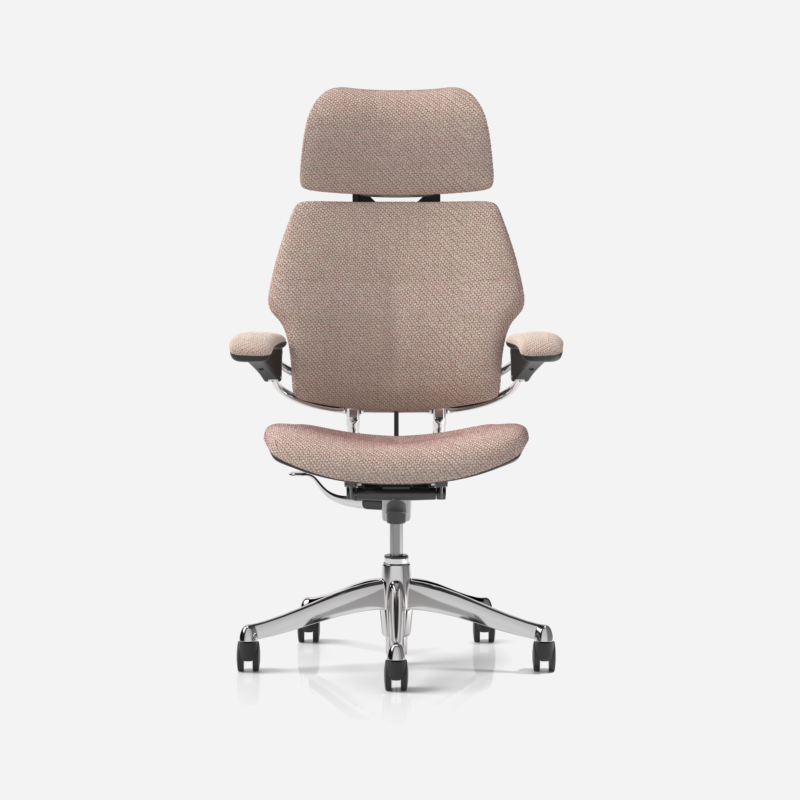
Explore our top-selling ergonomic office furniture—designed to support comfort, posture, and productivity at scale. From self-adjusting office chairs to height-adjustable standing desks and monitor arms, these customer favorites are trusted by Fortune 500 companies and small businesses alike. Backed by an industry-leading warranty, they’re proven to perform in fast-paced, high-use environments.
Shop with code: FESTIVE20. Exclusions apply.
Starting at
$2036 $1628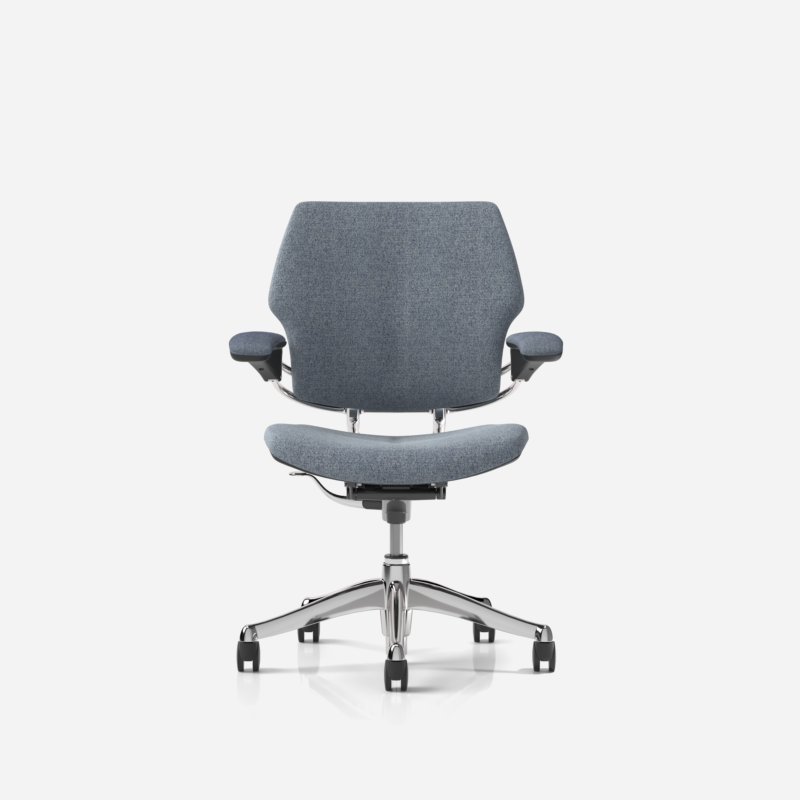
Starting at
$1482 $1185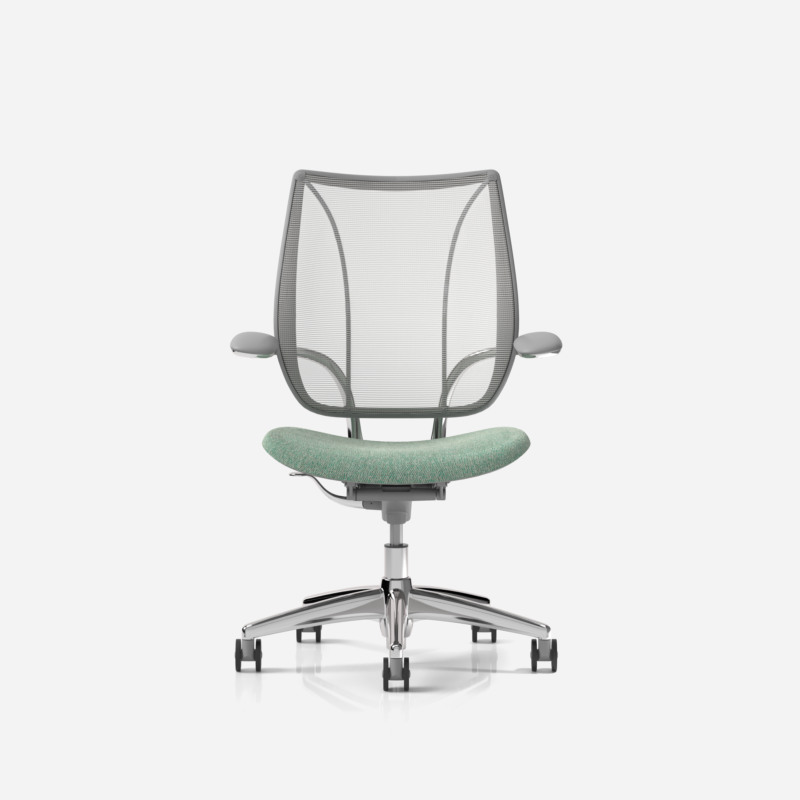
Starting at
$1536 $1228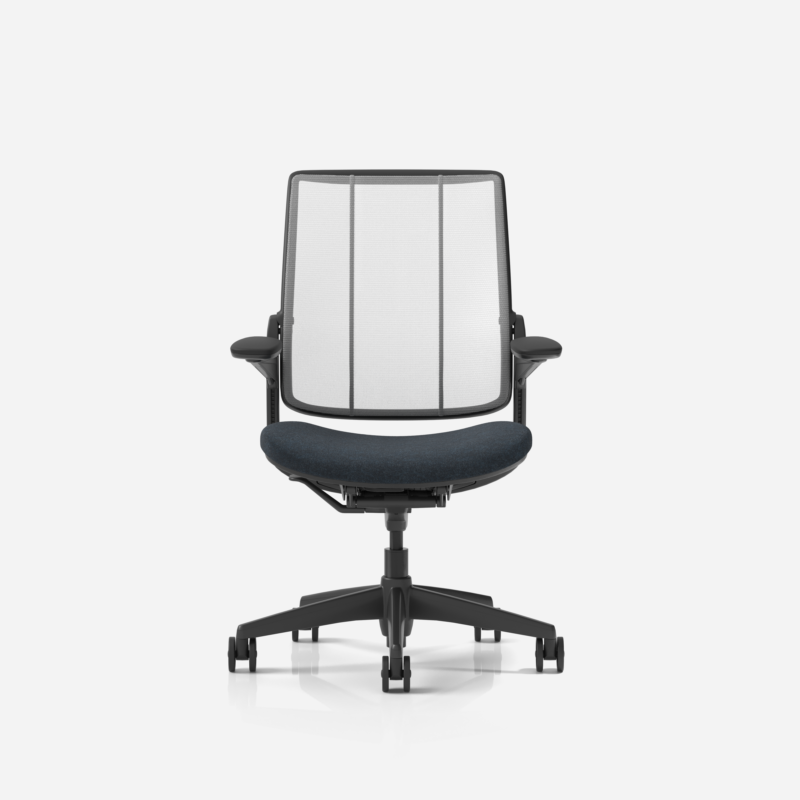
Starting at
$1460 $1168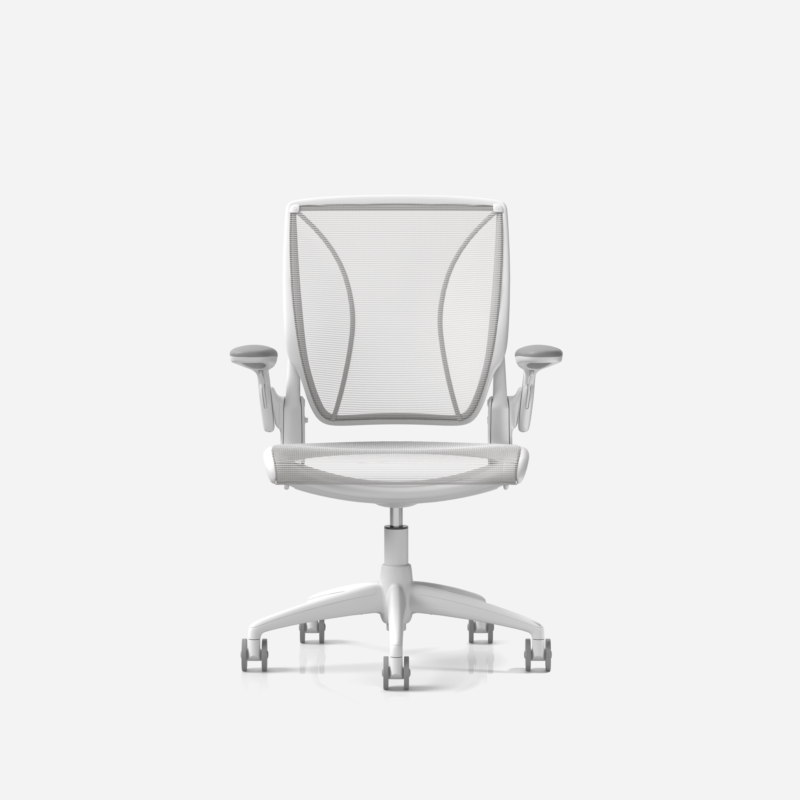
Starting at
$1019 $815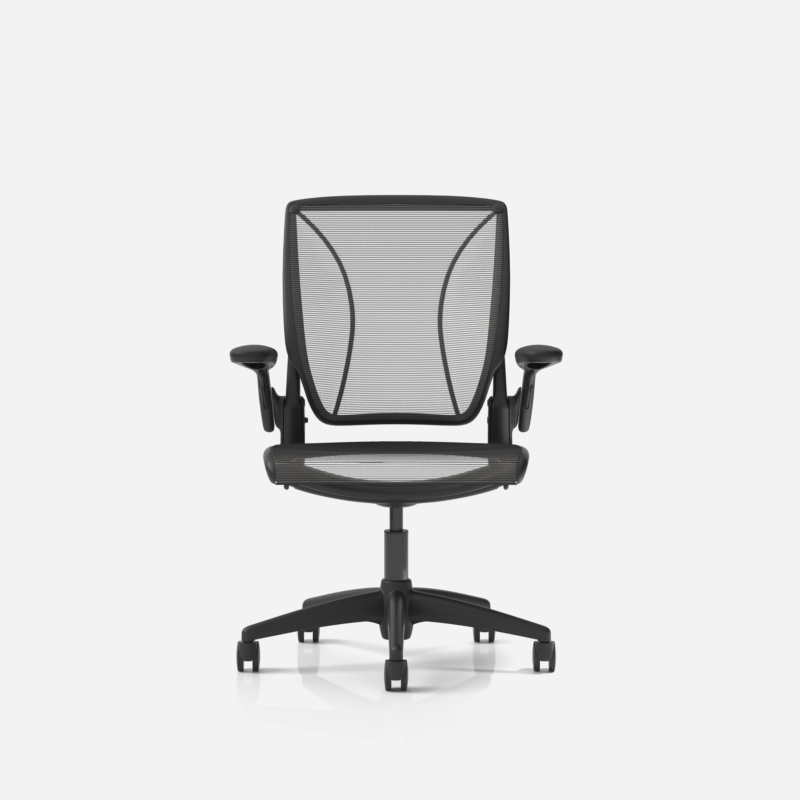
Starting at
$529 $423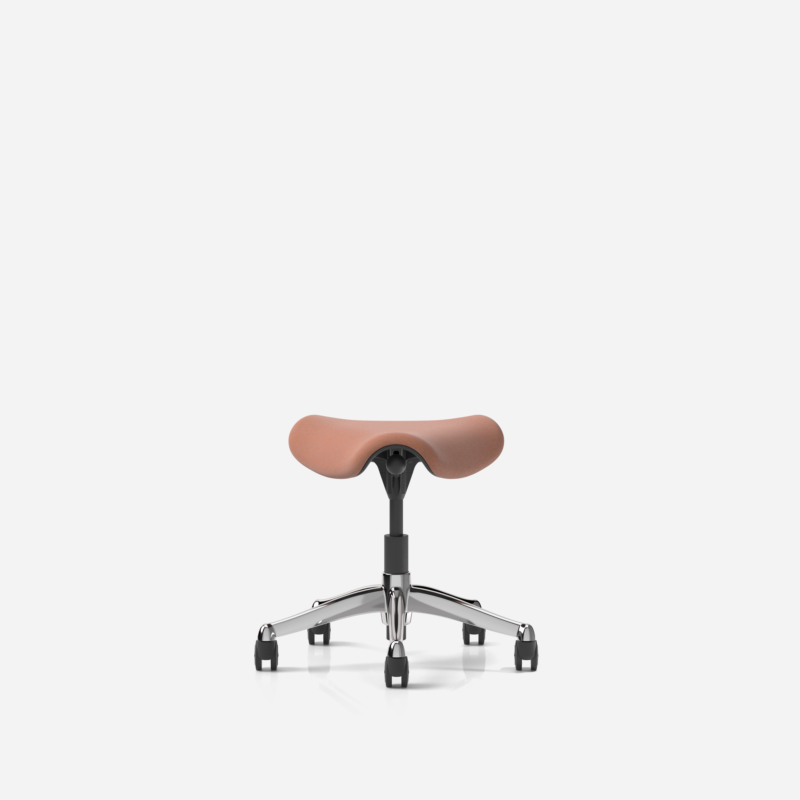
Starting at
$481 $384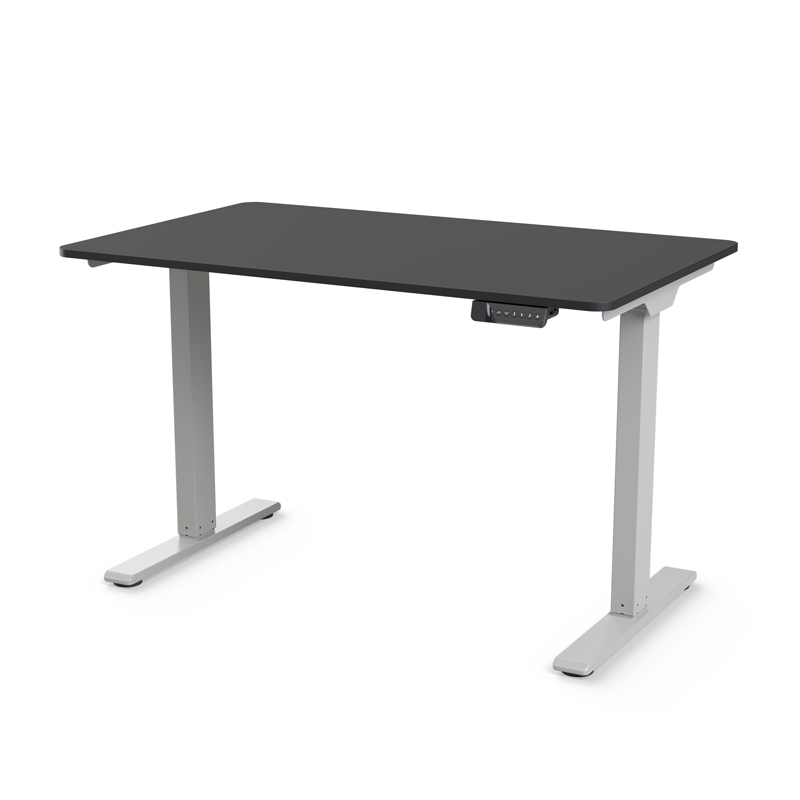
Starting at
$561 $448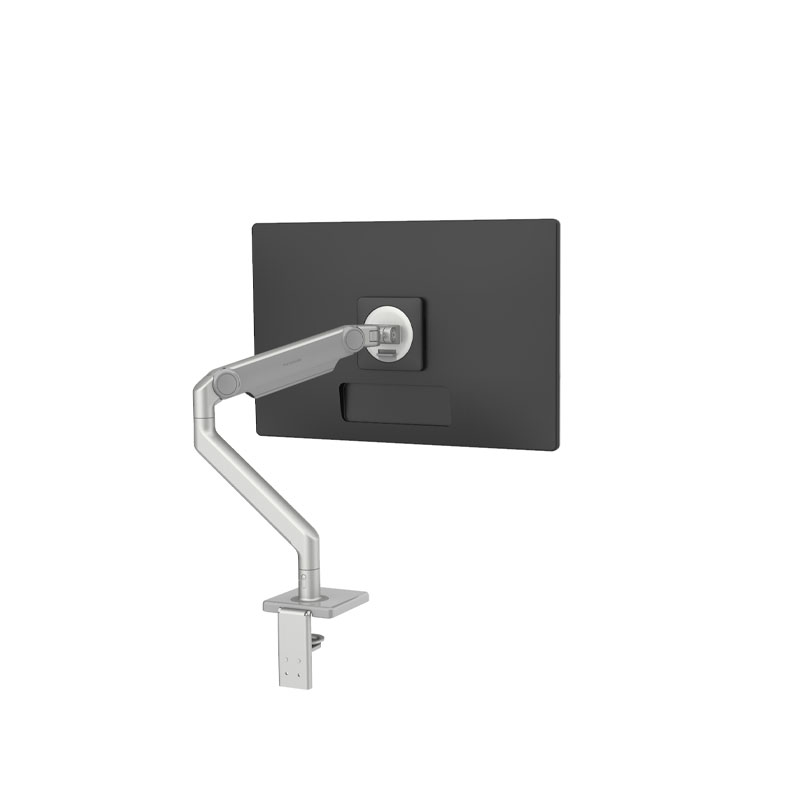
Starting at
$314 $251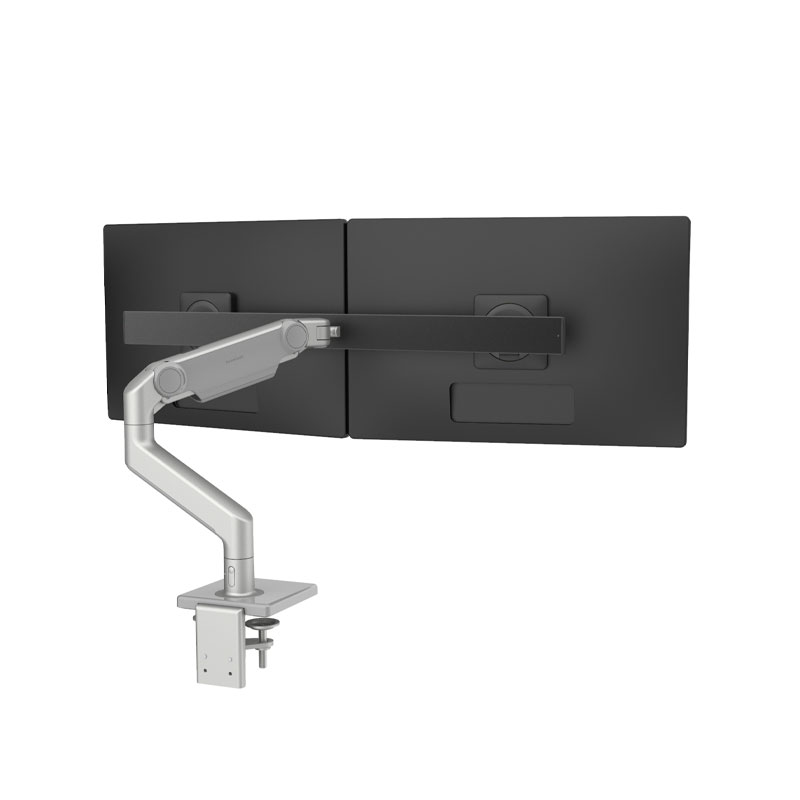
Starting at
$481 $384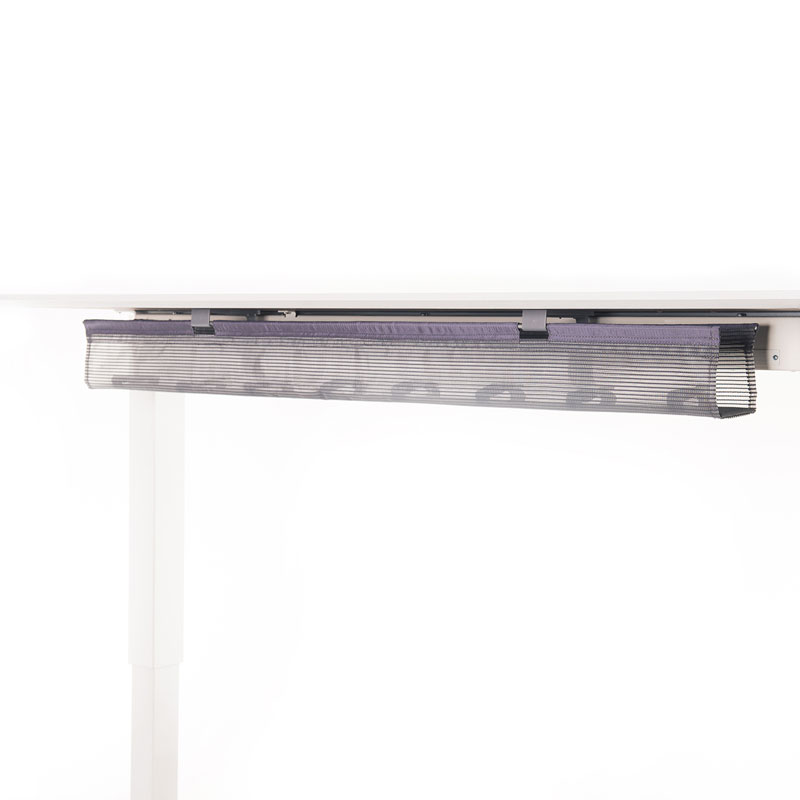
Starting at
$177 $141.jpg)
Starting at
$143 $114The right office setup can support your team’s health and productivity. Learn how to create workstations that promote flexibility, mobility, and proper posture. This expert-backed guidance will help you select the right office chairs, desks, and tools to build a workspace that truly works.
Why It Matters
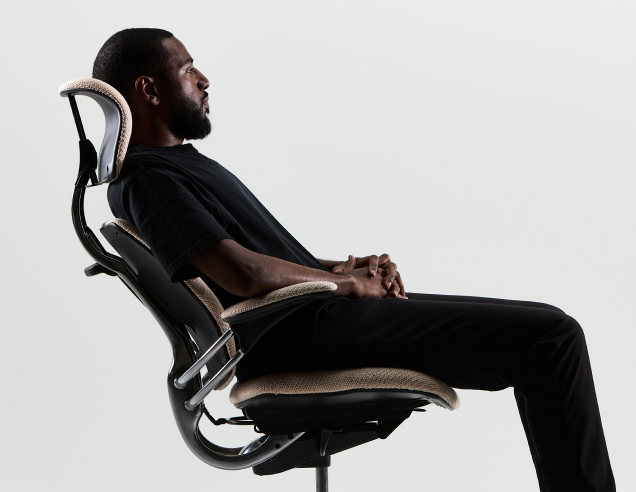
The right office chair isn’t just a convenience—it’s a tool for protecting your spine, preventing fatigue, and supporting long-term musculoskeletal health. With many people spending 6 to 10 hours a day seated, the wrong desk chair can quietly contribute to poor posture, back pain, and reduced productivity over time.
What to Look For
A great desk chair doesn’t force you to fit into its design—it adjusts to you. Look for task chairs that support dynamic movement, automatically adapting to your posture and weight as you shift throughout the day. This is especially important in shared workspaces or for people with different body types.
Start with BIFMA certification—it ensures office chairs have been tested for ergonomic support, safety, and durability. Then evaluate the recline mechanism: does it encourage movement, or keep you locked in one position? Avoid desk chairs with outdated levers and tension knobs; modern options use weight-sensitive recline and synchronous movement to keep you supported without manual adjustments.
Armrests should be fully adjustable and allow you to sit with your shoulders relaxed—not raised or strained. Fixed or oversized arms create tension and restrict movement. Well-designed armrests use multi-layered padding that stays supportive over time, balancing softness with structure.
Seat foam matters. Cheap foam flattens fast and causes pressure points. Look for high-density foam that stays supportive and comfortable even after years of daily use.
Read the full Guide: How to Select a Great Task Chair: A Guide to Quality, Comfort, and Longevity
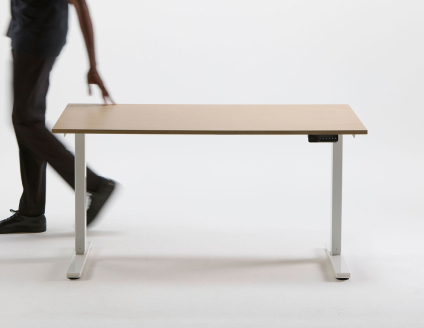
Sitting for hours without movement can lead to discomfort, reduced energy, and long-term health risks. Standing desks provide an evidence-based way to break up static postures and support healthier work habits. By alternating between sitting and standing, you encourage better circulation, reduce pressure on the spine, and stay more engaged throughout the day.
Standing desks aren’t a one-size-fits-all solution—they come in a range of designs, from compact models for small spaces to collaborative setups for shared environments. Used correctly, they can help reduce back pain, improve posture, and make your workday more active without disrupting focus.
Read the full Guide: The Benefits of Standing Desks
Why It Matters
Reduced leg circulation from extended sitting can lead to swelling, fatigue, and increased risk of vascular issues over time. Alternating between sitting and standing, stretching, and maintaining proper alignment support long-term circulatory health. Even short breaks can help reduce the physical strain of prolonged desk work. p>
Read the full Guide: How to Improve Leg Circulation at Your Desk


.png)