At Humanscale, sustainability isn’t just about materials and manufacturing—it’s about protecting the planet’s ecosystems and the species that depend on them. As part of our Planet Positive mission, we’re proud to partner with the World Wildlife Fund (WWF) to support global wildlife conservation efforts.
Across the world, conservation initiatives are creating powerful success stories. Once critically endangered species are now recovering, proving that with collective action, we can reverse the damage. Below, we highlight some of the most inspiring species comebacks—reminders of what’s possible when nature gets the protection it deserves.
Humpback Whales: Rebounding After Whaling Bans
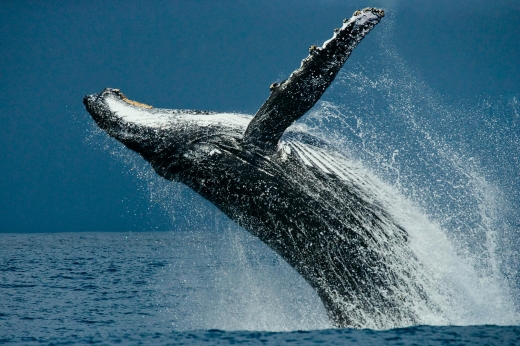
Once hunted to the brink of extinction, humpback whales have made an extraordinary comeback. Thanks to international bans on commercial whaling and dedicated marine protection efforts, global populations have rebounded. Today, these majestic creatures are thriving, symbolizing the impact of strong conservation policies.
Giant Pandas: A Conservation Icon Moves Off the Endangered List
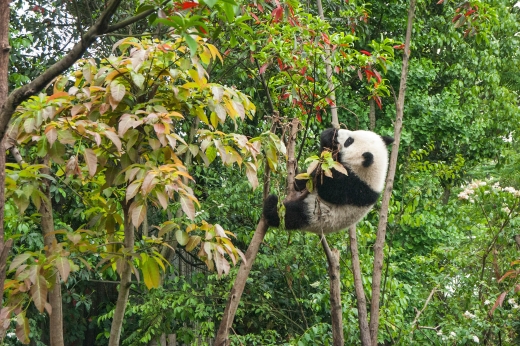
Long seen as the face of endangered species, the giant panda is now a conservation success story. Through decades of habitat preservation, reforestation, and breeding programs—many led by WWF—giant pandas have been reclassified from “Endangered” to “Vulnerable.” Their recovery shows how protecting natural habitats can create lasting change.
Amur Tigers: Anti-Poaching Laws Drive Population Growth
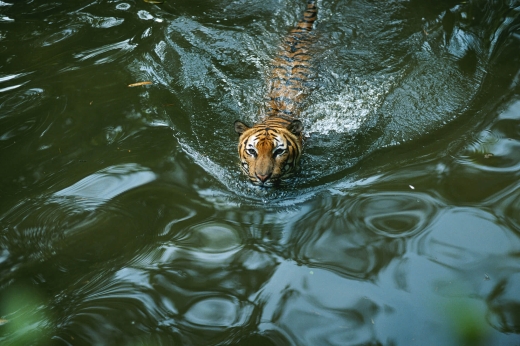
The Amur tiger, also known as the Siberian tiger, once faced near-extinction due to poaching and habitat loss. Today, thanks to strong anti-poaching measures and conservation programs, their numbers are slowly increasing. This recovery highlights the importance of protecting top predators to maintain ecosystem balance.
Mountain Gorillas: From Critical Endangerment to Hopeful Recovery
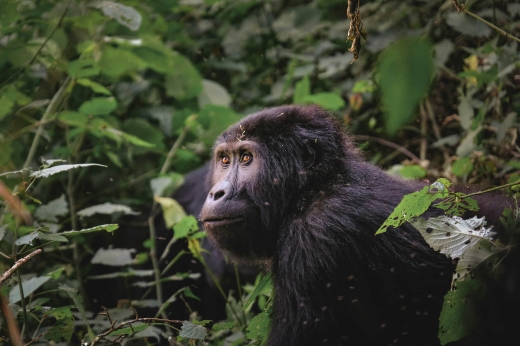
Found only in small pockets of Africa, mountain gorillas were once down to a few hundred individuals. Intensive conservation efforts—including anti-poaching patrols and eco-tourism funding—have helped their population grow. Mountain gorillas now represent one of the most hopeful examples of wildlife recovery in action.
Southern White Rhinos: A Remarkable Return from Near Extinction
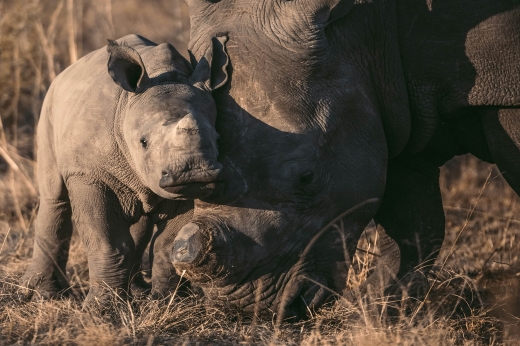
At the start of the 20th century, there were fewer than 100 southern white rhinos left. Today, their numbers have soared past 20,000, thanks to conservationists and protective reserves. Their comeback proves that endangered species recovery is possible with dedicated support and global attention.
Bald Eagles: Soaring Back After Pesticide Bans
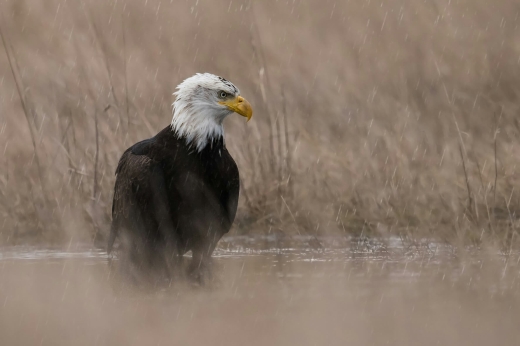
The bald eagle, America’s national symbol, was once nearly lost due to the pesticide DDT. After the chemical was banned and conservation laws took effect, eagle populations rebounded dramatically. Today, bald eagles are thriving—an inspiring example of how environmental policy changes can save species.
Gray Wolves: Reclaiming Their Historic Habitats
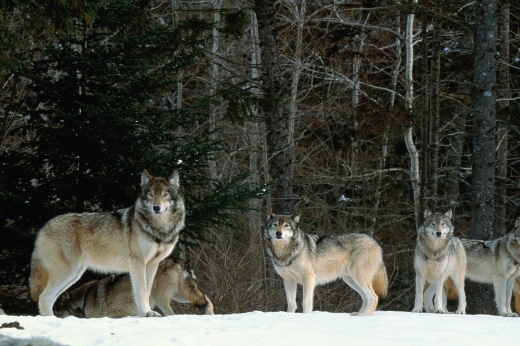
Through targeted wildlife conservation efforts, gray wolves are slowly returning to landscapes they once roamed. Reintroduction programs and habitat protections have enabled these essential predators to reclaim their role in balancing ecosystems across North America.
Sea Turtles: Nesting Populations on the Rise
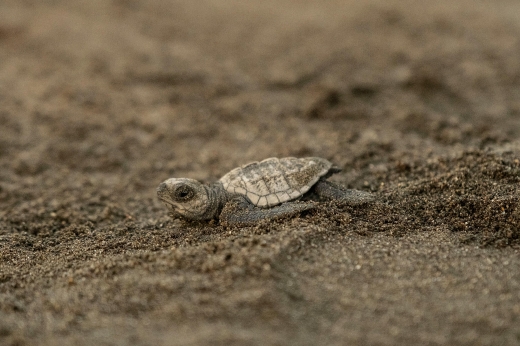
Once devastated by habitat loss and poaching, sea turtles are now nesting in increasing numbers thanks to protected beaches and international conservation agreements. These ancient mariners serve as a powerful reminder that protecting breeding grounds is critical for long-term species survival.
Humanscale’s Commitment to Wildlife Preservation Through WWF
These wildlife comeback stories fuel our passion for sustainability and planet-positive design. As part of our mission to create a future where nature and humanity thrive together, Humanscale proudly partners with World Wildlife Fund (WWF). Through this partnership, we support global conservation efforts that protect endangered species, preserve critical habitats, and promote biodiversity.
By investing in wildlife preservation, we’re helping ensure that stories of recovery and resilience continue for generations to come. Every product we design and every partnership we build is guided by our belief that sustainable design can be a force for good—one that actively restores the planet.
Learn more about our Planet Positive mission and our work with WWF here.