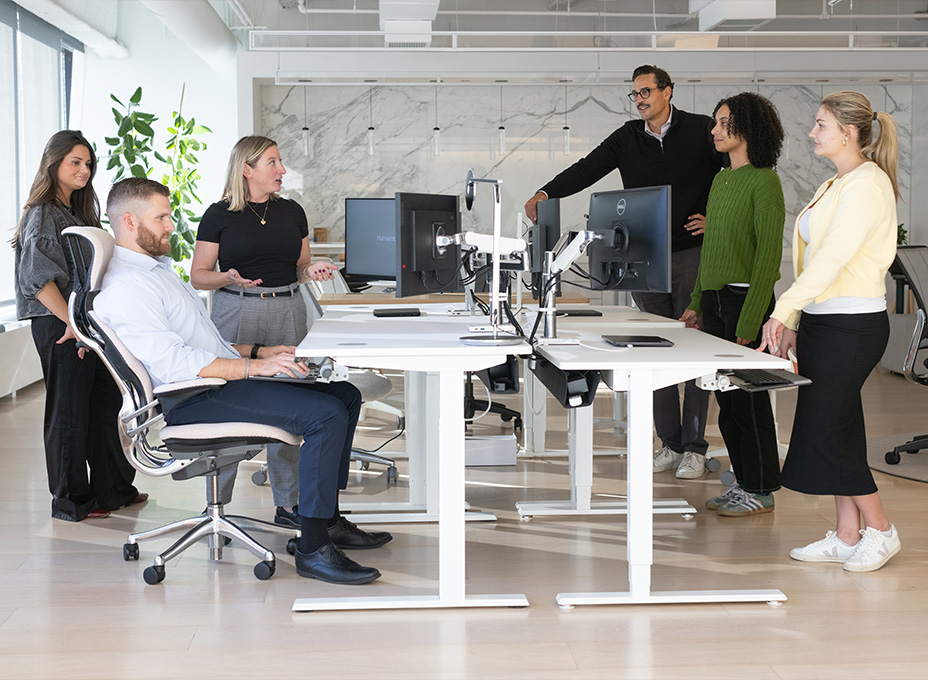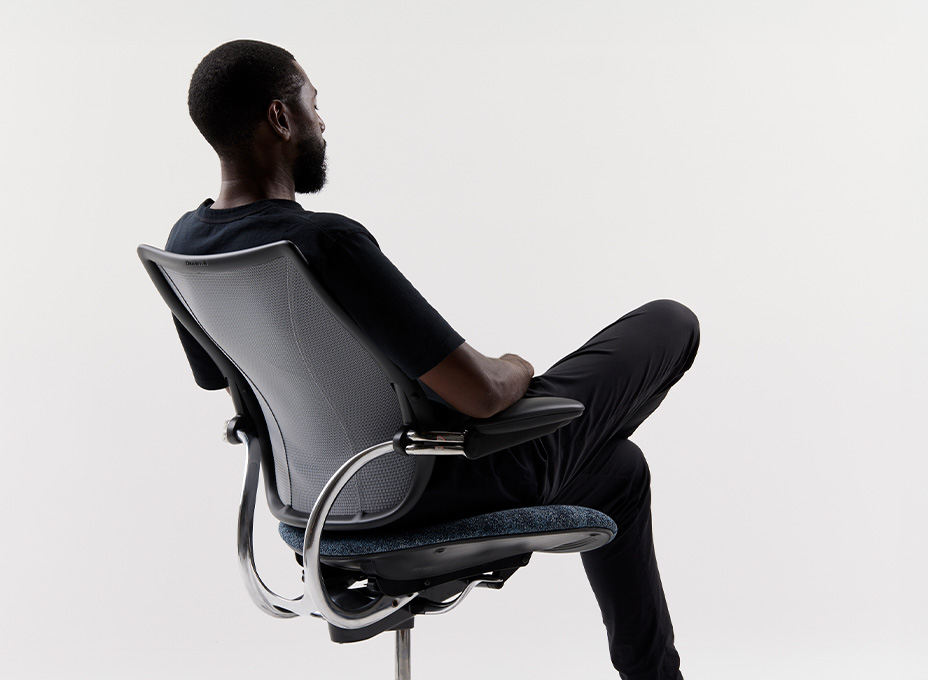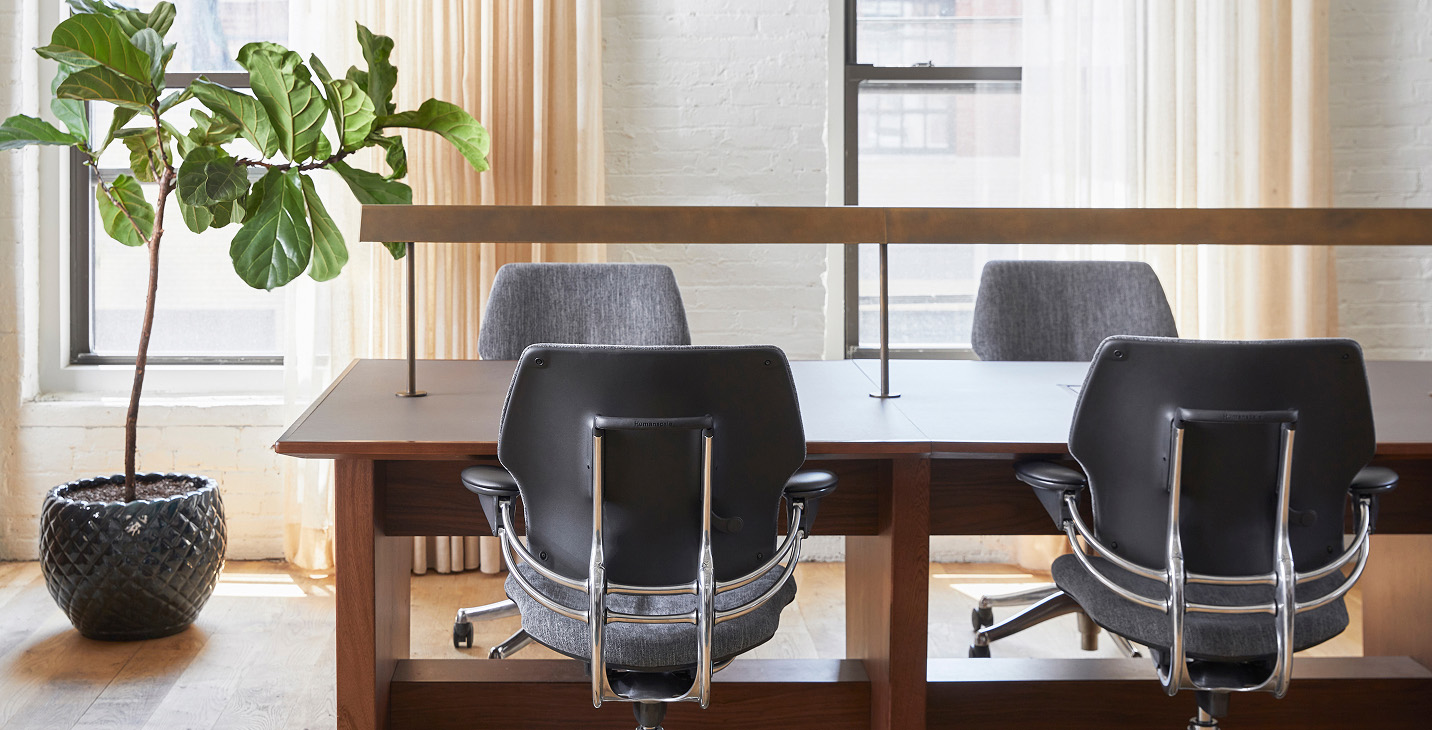
Leesman’s latest research reinforces something both simple and profound: the office chair remains one of the most important elements of workplace performance. With 83% of employees identifying it as critical — yet only 69% satisfied — there is a clear gap between expectation and experience.
At Humanscale, we agree with the emphasis on the chair. But the real issue runs deeper than underperformance alone. It lies in a long-standing assumption embedded in workplace design — that one chair can work for everyone, across every task, in every setting.
It can’t.
One Size Doesn’t Fit All - And It Never Did
The chair is the most personal point of contact between an individual and their work environment. It shapes how we sit, how we move, and how long we can focus without discomfort. In a hybrid world, where the office must justify the commute, that first interaction matters more than ever. When someone sits down, the experience is immediate and physical. If the chair doesn’t support them properly, everything that follows is affected.
Yet despite this, many workplaces still rely on standardized seating designed to fit the 50% percentile human body measurements and paired with manual adjustments, built on the assumption that users will take the time to configure their chair correctly. In reality, most people don’t — and often can’t. Not because they lack interest, but because the process is unintuitive, time-consuming, or simply impractical in the flow of a working day. Even when someone does take the time to adjust their office chair, that setup is rarely permanent. It changes with the task, the posture, and the duration of use.
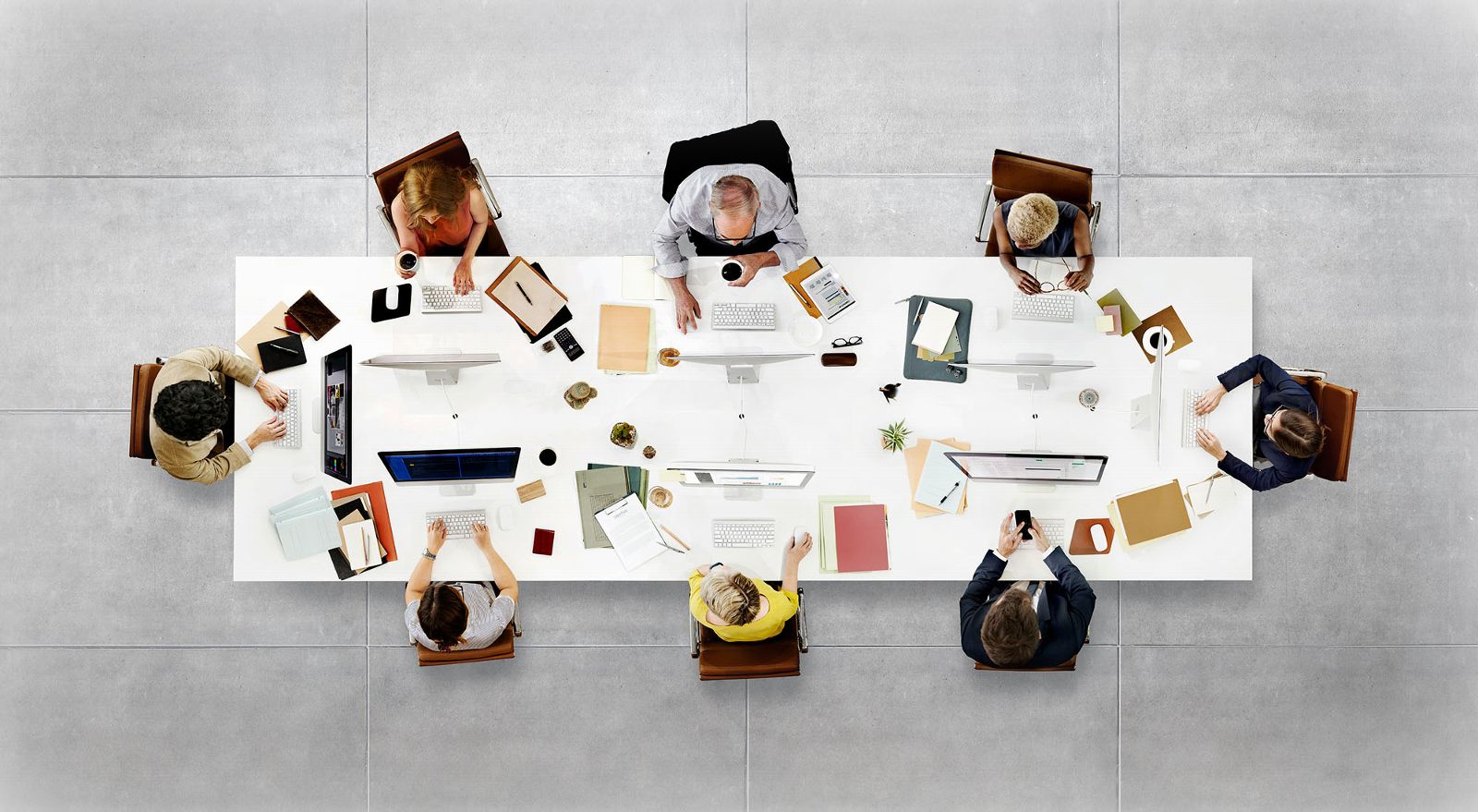
This is where the idea of “one size fits all” begins to break down. What supports focused, upright work at a desk is not the same as what supports a more relaxed posture during a video call, or a short burst of touchdown work between meetings. The needs of the body shift throughout the day, yet most office chairs are static unless actively reconfigured. The result is a mismatch between design intent and real-world use.
The Hidden Friction of Adjustment
Leesman’s findings also point to a broader issue: the gap between provision and usability. A chair may have all the ergonomic features required on paper, but if it relies on multiple levers, knobs, and user decisions, it introduces friction. And in today’s workplace, friction is often enough to prevent action. People move quickly between tasks and spaces. They expect immediacy. They are unlikely to recalibrate their chair each time they sit down, particularly in shared or unassigned environments.
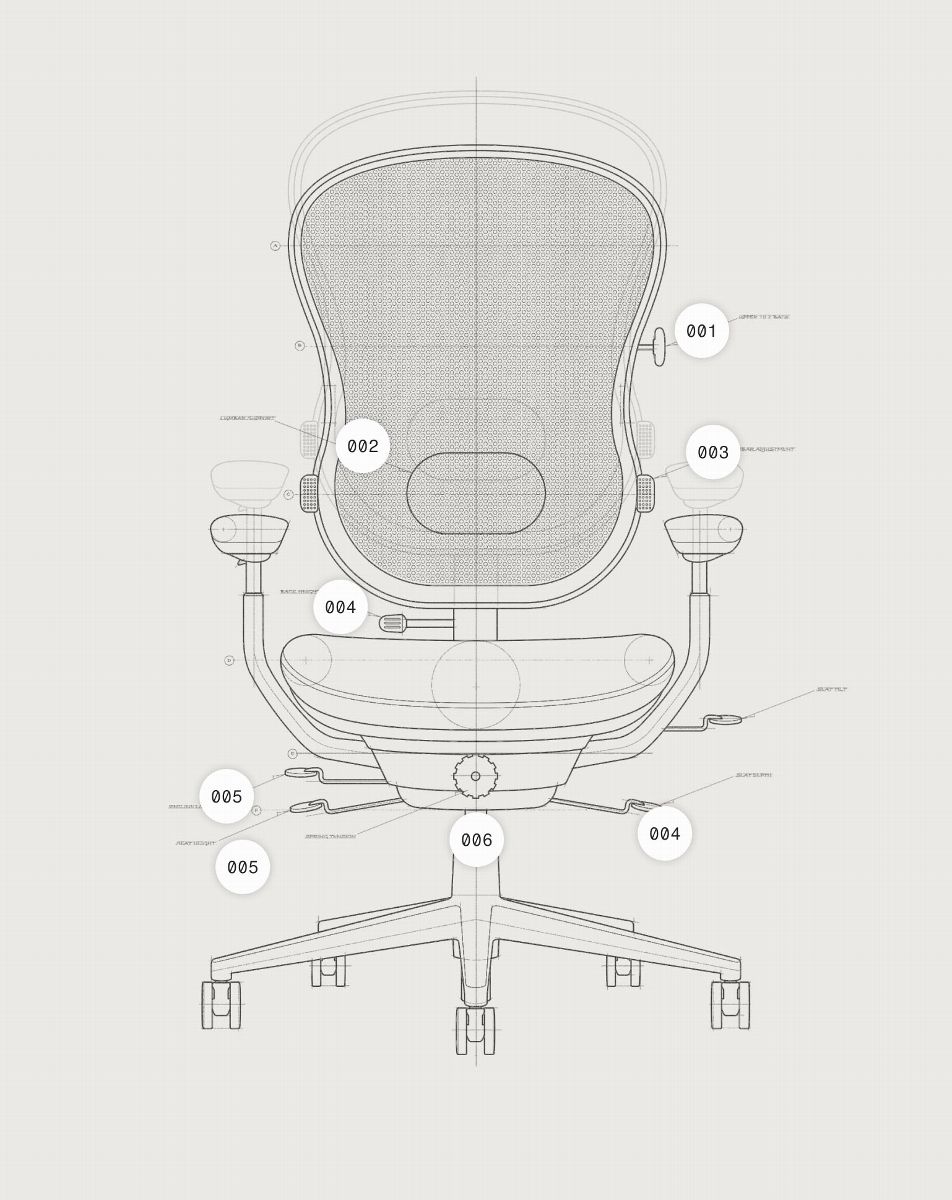
Hybrid working only amplifies this challenge. As employees move between different desks and settings throughout the day, consistency disappears. No chair is truly “theirs,” and any adjustments made are temporary. Over time, this leads to compromised posture, reduced comfort, and a subtle but cumulative impact on performance and wellbeing.
The more often a person has to adjust their chair, the less likely they are to do it well — or at all.
This is why the conversation needs to evolve. If the chair is as critical as Leesman’s research suggests, then success cannot depend on the user’s ability or willingness to configure it. The responsibility must shift back to design.
Designing for Effortless Support
At Humanscale, we believe in human-centred design — an approach where the product adapts to the person, not the other way around. A high-performance chair should respond automatically to the user, adjusting to different body types, postures, and tasks without requiring conscious effort. Just as importantly, that same level of support must extend beyond the individual workstation and into every space where work happens.
Because the reality of today’s workplace is fluid. People move between desks, meeting rooms, and shared spaces throughout the day, shifting from focused work to collaboration and back again. They lean forward to engage, sit back to reflect, perch briefly between meetings, or settle in for longer discussions. Yet while work has become more dynamic, seating in many of these spaces has not kept pace.
This is where the definition of “basic” has fundamentally changed. It is no longer enough to provide a chair that can be adjusted. The expectation now is for seating that is intuitive, universally usable, and inherently responsive — particularly in environments where spaces are shared, time is limited, and no one stops to configure their chair before a meeting begins.
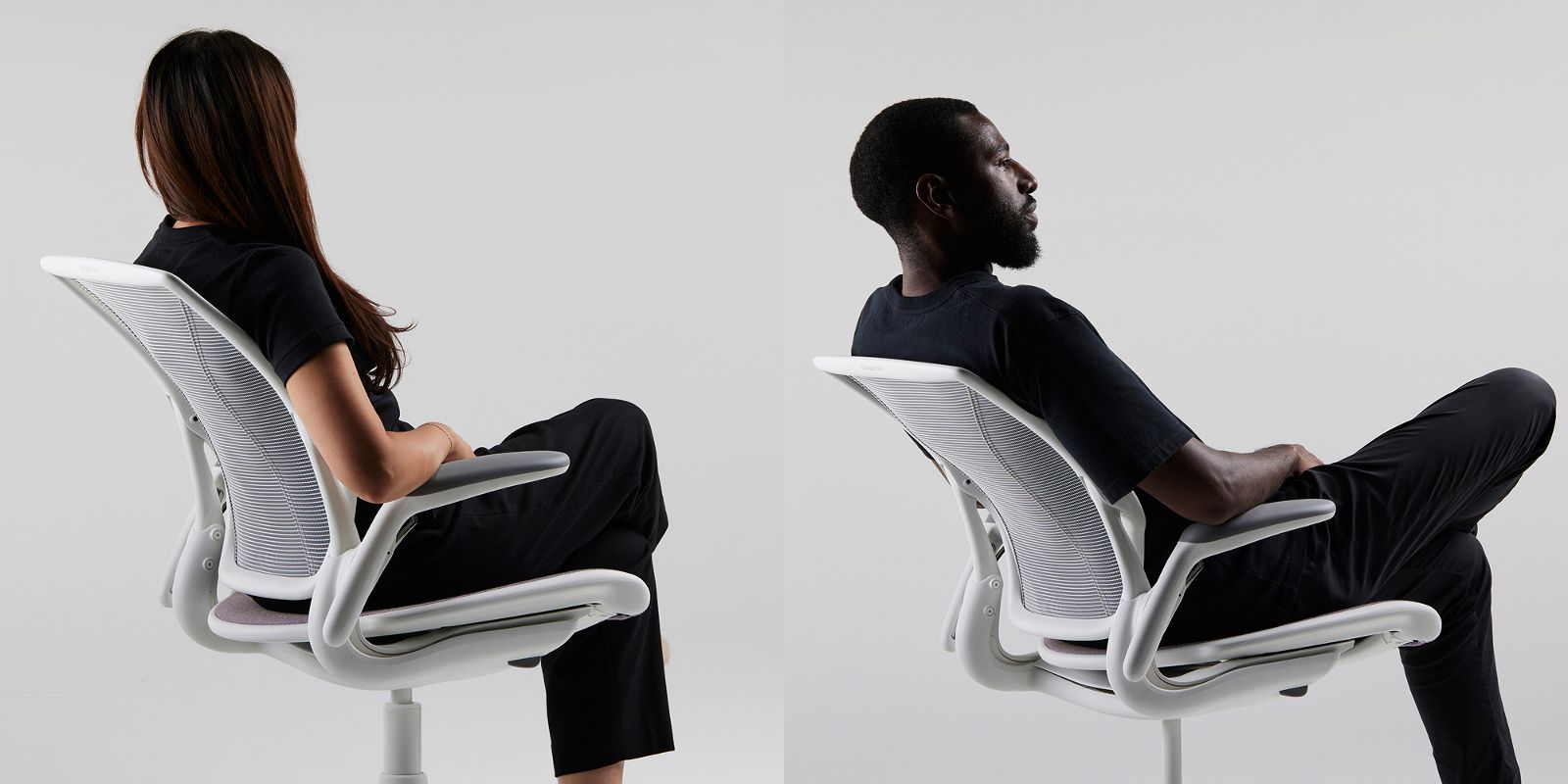
Our Meeting Collection is designed with exactly this reality in mind. It brings the same principles of self-adjusting ergonomics found at the workstation into collaborative settings, ensuring that comfort and support are not lost the moment someone steps into a meeting space. By eliminating manual controls and enabling the meeting chair to respond naturally to the sitter’s weight and movement, it supports a wide range of users without the need for instruction or intervention.
Ultimately, if one size doesn’t fit all then the solution is not more complexity, but better design. It is about creating seating that works universally across the entire workplace ecosystem, supporting people wherever they choose to work, however they choose to work, and without ever needing to think about it.