In the realm of office furniture, where new designs often fade into obscurity, the Freedom Chair by Humanscale has become a lasting icon. Introduced 25 years ago, this revolutionary ergonomic seat, designed by the late Niels Diffrient, set a new standard in office seating and continues to influence the industry today. The story of the Freedom Chair is a testament to the power of thoughtful design and innovation in solving real-world problems.
A Visionary Design
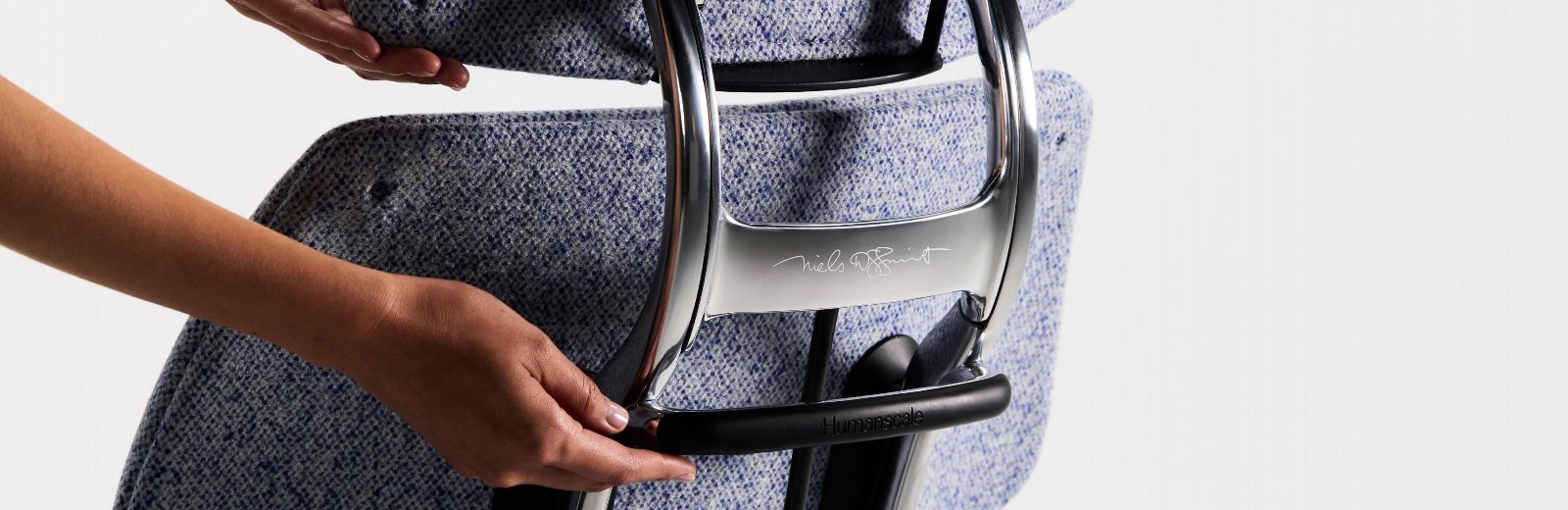
Niels Diffrient was no ordinary designer. He is widely regarded as the "father of modern ergonomics," a discipline focused on designing products that improve comfort, efficiency, and well-being by catering to human needs, reducing strain and injury, and enhancing user experiences. His work was guided by a simple yet profound philosophy: design should serve the user. In the 1990s, when ergonomic chairs were often complicated and intimidating, Diffrient saw an opportunity to simplify and create a solution that would adapt to each user, regardless of body type, without the need for complex adjustments. The chair would automatically adjust to the user. This idea challenged the conventional wisdom of the time: chairs overrun with knobs and levers, which did not provide proper support and ultimately left people sitting in unhealthy postures.
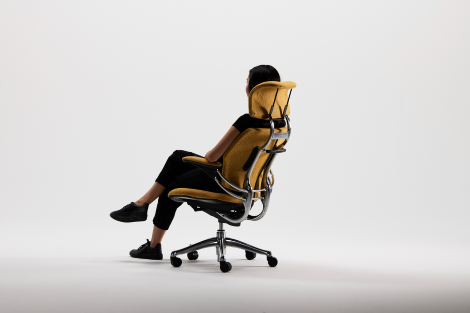
The result of Diffrient’s vision was the Freedom Chair, a marvel of engineering that used the sitter's body weight to provide perfect recline and support. This self-adjusting ‘Gravity’ mechanism was groundbreaking. It meant that users no longer had to fumble with controls to find comfort; the chair responded to their movements, offering seamless support. This innovation not only simplified the user experience but also ensured that everyone, regardless of body type, instantly found comfort and support in the Freedom Chair.
The Chair of Choice
The Freedom Chair quickly became more than just another work chair. It symbolized innovative thinking and design excellence. Over the years, it has been adopted by a diverse range of users, from Fortune 500 CEOs to home office workers, and has been cemented in design history by the likes of the Cooper Hewitt, Smithsonian Design Museum. Former President Barack Obama and Apple’s CEO Tim Cook are among the notable figures who have used the Freedom Chair, underscoring its status as a benchmark of quality and comfort.
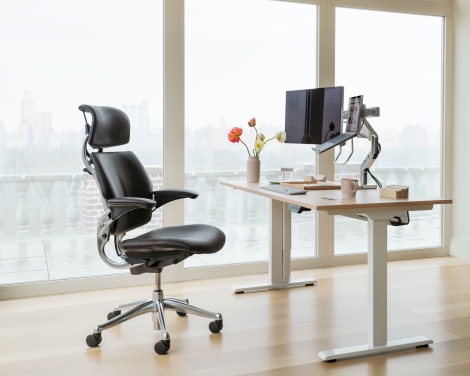
The success of the Freedom Chair also highlights a broader shift in the office furniture industry toward prioritizing user well-being. In an era where sedentary lifestyles have been linked to numerous health problems, the Freedom Chair’s ability to encourage movement and provide proper support is more relevant than ever. Studies have shown that prolonged sitting can lead to a host of health issues, from back pain to cardiovascular problems. By promoting natural movement and proper posture, the Freedom Chair helps mitigate these risks, contributing to a healthier, more productive workforce.
The COVID-19 pandemic has further underscored the importance of ergonomic office furniture. With hybrid work becoming a permanent fixture for many, the need for comfortable and supportive workspaces has never been greater. People are now sitting in multiple chairs throughout the day whether in the home or at the office. Freedom's automatically adapting design ensures a healthy, supportive posture for any body type. As work environments continue to evolve, the Freedom Chair remains a trusted vehicle to promote health and productivity.
Pioneering with Purpose
Niels Diffrient’s commitment to user-centered design has left an indelible mark on the industry. His belief that design should serve people, not just aesthetics, continues to inspire a generation of designers. Diffrient’s approach was not about making something new for the sake of novelty but about creating something that would last and address real-world problems. His work on the Freedom Chair exemplifies this philosophy, combining functionality with timeless design.
The story of the Freedom Chair is a reminder that true innovation is about more than just creating something new; it is about creating something that lasts. The Freedom Chair's journey is far from over, and its legacy continues to shape the future of ergonomic design. As we celebrate its 25th anniversary, we are reminded of the enduring power of thoughtful design and the vision of Niels Diffrient. The Freedom Chair exemplifies how innovative design can solve meaningful problems and improve lives, demonstrating that design, at its best, serves the needs of people.