

Ever feel drained after a full day at your desk? Sitting for long hours can take a toll on both your body and mind, leading to back pain, fatigue, and even long-term health concerns. But what if a simple change to your workspace could help? What are the benefits of a standing desk? A standing desk, also known as a sit/stand or sit-to-stand desk, offers a practical way to reduce discomfort, boost energy, and improve focus, helping you feel better and work smarter.
What is a Standing Desk?
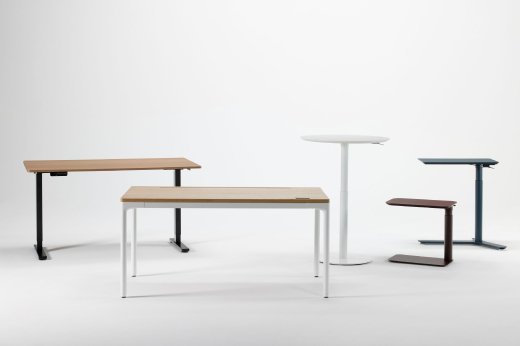
A standing desk allows users to alternate between sitting and standing throughout the day. Designed to promote better posture and reduce sedentary behavior, standing desks support a healthier and more dynamic work experience. Why use a standing desk? Because it encourages movement, prevents stiffness, and can even contribute to better circulation and cardiovascular health.
There are various types of standing desks available to accommodate different work environments and preferences. Both manual and electric height-adjustable desks allow seamless transitions between sitting and standing, while sit/stand desk converters can be placed on top of an existing desk to achieve the same benefits.
The Dangers of a Desk Job

Spending prolonged periods in a seated position has been linked to multiple health concerns. Research has shown that excessive sitting contributes to obesity, high blood sugar, and an increased risk of cardiovascular disease. Is standing at a desk good for you? Absolutely. Standing more often can counteract these negative effects. A sedentary workday can also lead to musculoskeletal issues, including chronic neck and back pain caused by poor posture and reduced blood flow.
Additionally, sitting for long hours has been associated with decreased energy levels and productivity. Without movement, the body becomes sluggish, which can impact focus and efficiency. The advantages of a standing desk include improving concentration and reducing the risk of physical discomfort.
Standing Desk Benefits for Physical Health
What are the health benefits of standing desks? Standing desks support overall physical health by reducing the negative effects of prolonged sitting. By encouraging movement throughout the workday, they help promote circulation and cardiovascular health, decreasing the risk of metabolic issues associated with a sedentary lifestyle. Alternating between sitting and standing keeps blood flowing, reducing stiffness and improving energy levels.
Standing Desk for Back Pain Relief
A major reason people switch to standing desks is for pain relief. Standing desks for back pain are highly effective because they help maintain proper spinal alignment and reduce pressure on the lower back and neck. Sitting for long periods can strain the spine and lead to poor posture, increasing discomfort over time. By allowing users to stand periodically, a standing desk helps alleviate these issues, leading to improved musculoskeletal health.
Additionally, standing desks engage the core and leg muscles, helping to strengthen and stabilize the body. Unlike static sitting, standing requires subtle movements that activate the muscles needed for balance and support. Over time, this can lead to increased core strength, better posture, and reduced muscle fatigue, contributing to long-term physical well-being.
Standing Desk Benefits for Mental Health and Productivity
Why use a standing desk for productivity? Because standing desks offer benefits beyond physical health. Alternating between sitting and standing can improve mood and increase energy levels by reducing fatigue and boosting circulation. Employees who use standing desks often report feeling more engaged and focused throughout the day.
Research has shown that the advantages of a standing desk include enhancing productivity by allowing workers to move freely and change positions as needed. This flexibility can lead to improved cognitive function, better concentration, and a more positive work experience. Additionally, standing encourages a more active mindset, which can contribute to increased creativity and problem-solving capabilities.
Types of Standing Desks
Float Sit/Stand Desk
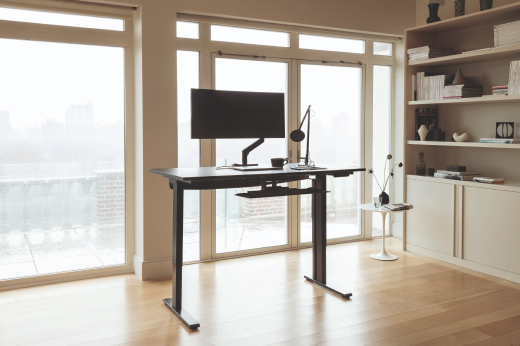
The Float sit/stand desk is designed for effortless adjustability, featuring a counterbalance mechanism that allows users to transition between sitting and standing without the need for electricity. Why use a standing desk like Float? Because it provides smooth, intuitive height adjustments, encouraging movement throughout the workday. Its sleek, modern design seamlessly integrates into any workspace while supporting ergonomic comfort and productivity.
Float Gather Sit/Stand Desk
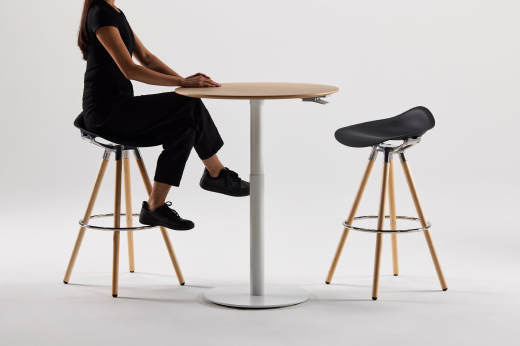
The Float Gather sit/stand desk is designed for collaborative spaces, offering the same intuitive adjustability as Float but with a larger surface area for group work. Its height-adjustable design allows users to shift between seated and standing positions effortlessly, fostering engagement and dynamic teamwork. This versatile desk is well-suited for conference rooms, open offices, and shared work environments.
Float Mini Sit/Stand Desk
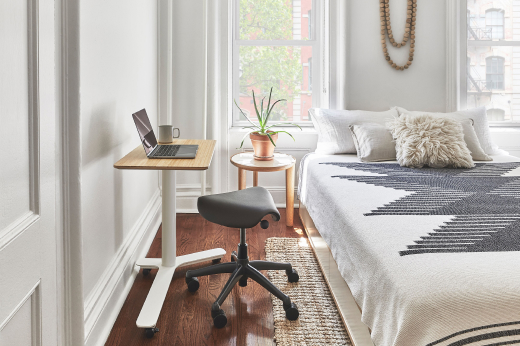
The Float Mini sit/stand desk is a compact solution for small workspaces and home offices, delivering the health benefits of standing desks in a smaller footprint. Its counterbalance mechanism ensures smooth height adjustments, while its space-saving design makes it ideal for flexible or multi-use environments. Float Mini enables users to create an active, ergonomic workspace without compromising space or functionality.
Getting Started with Your Standing Desk
To maximize the standing desk benefits, it is important to transition gradually. Begin by standing for short periods and gradually increase standing time throughout the day. Finding a balance between sitting and standing helps the body adjust while minimizing discomfort.
Proper workstation setup is essential for comfort and effectiveness. Why use a standing desk correctly? Because improper use can lead to strain. The monitor should be positioned at eye level to reduce neck strain, and the keyboard and mouse should be placed at a comfortable height to maintain neutral wrist positioning. Anti-fatigue mats can also provide additional support for prolonged standing.
Maximizing the Benefits of Your Standing Desk

To enhance the advantages of a standing desk, consider incorporating additional ergonomic solutions. Using a combination of laptop and desktop setups can improve flexibility and convenience. Accessories such as footrests and standing desk mats can help maintain comfort and posture.
Incorporating movement into the workday is also key to maintaining overall well-being. Taking short walking breaks, stretching, or using a walking treadmill can further reduce the risks associated with prolonged sitting. Tracking standing time and setting personal goals can also help reinforce healthy habits.
Overcoming Common Concerns and Misconceptions
Some individuals worry that standing for too long might cause fatigue. However, is standing at a desk good for you? Yes, when done correctly. The key is moderation: alternating between sitting and standing throughout the day. Additionally, using an anti-fatigue mat and supportive footwear can make a significant difference in comfort.
Another concern is whether the benefits of a standing desk outweigh the investment. Considering the long-term health benefits, increased productivity, and reduced back pain, a standing desk is a valuable investment in your well-being and work performance.
Tips for Staying Active and Healthy at Work
A standing desk is most effective when combined with other healthy workplace habits. Simple strategies to stay active include:
- Taking short breaks every hour to walk and stretch
- Alternating between sitting, standing, and light movement throughout the day
- Using an ergonomic chair when sitting to ensure proper support
- Maintaining good posture while standing to reduce strain on the body
The Bottom Line: A Smarter Way to Work
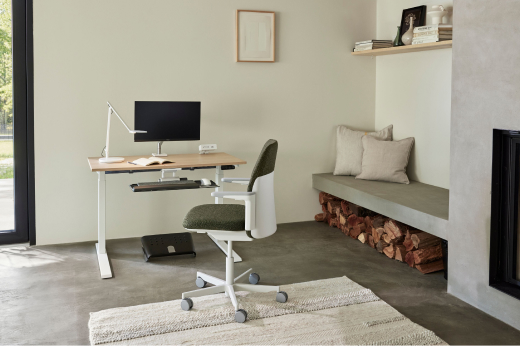
Integrating a standing desk into the workplace is a proactive step toward better health, comfort, and productivity. By reducing prolonged sitting and encouraging movement, standing desks help improve posture, alleviate discomfort, and enhance focus.
Making small adjustments to how we work can lead to long-term benefits. A sit-to-stand desk is a simple yet effective way to create a healthier and more dynamic work environment.
Explore Humanscale’s ergonomic standing desks to find the right solution for your workspace.


.jpg)

