
.jpg)

In a world where many of us spend most of our day sitting at a desk, finding ways to stay active and comfortable during work hours is more important than ever. If you’re not quite ready to invest in a full standing desk but want the benefits of standing while you work, a standing desk converter may be the perfect solution.
This guide will walk you through everything you need to know—from features to look for, to different types of converters, and how to choose the right one for your space and budget.
What to Look for in a Standing Desk Converter
Choosing a standing desk converter isn’t just about elevating your laptop. To create a truly ergonomic workspace, it’s essential to consider a few key features that affect comfort, posture, and usability.
Key Features to Consider for a Comfortable and Ergonomic Workspace
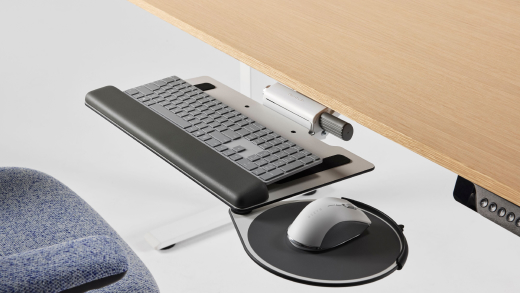
Adjustability and Customization Options: Look for converters that offer multiple or infinitely adjustable height settings so you can fine-tune the height to your comfort.
Keyboard Tray and Monitor Mounts: A dedicated keyboard tray keeps wrists at a neutral angle, and monitor mounts ensure screens stay at eye level.
Desk Depth and Surface Area: If you use multiple monitors or need extra workspace, choose a model that offers ample depth and surface.
Durable and Sturdy Construction: Your converter should remain stable and secure, even after frequent height adjustments.
Importance of Adjustability and Customization Options
Proper posture is crucial. When standing, your elbows should remain at a 90-degree angle and your monitor at eye level. Adjustable features allow you to personalize your setup—whether you're tall, petite, or somewhere in between. They also ensure compatibility with dual monitors or other accessories you rely on.
Types of Standing Desk Converters
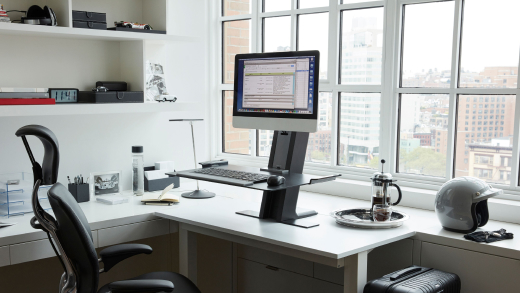
Understanding the different types of desk converters can help narrow your choices.
Manual vs. Electric Standing Desk Converters
Manual Converters: Affordable, simple to operate, and perfect for most users. These models are great if you're easing into a more active workspace.
Electric Converters: Offer smooth, effortless adjustments with the push of a button. Ideal for users who switch positions frequently or need to support heavier monitors.
Single vs. Dual Monitor Standing Desk Converters
Single Monitor Converters: Compact and great for smaller desks or minimalist setups.
Dual Monitor Converters: Designed for multitaskers who need space and flexibility for two screens.
Choosing the Best Standing Desk Converter for Your Needs
Making the right choice means balancing features, comfort, and practicality.
How to Compare Standing Desk Converters for Your Existing Desk
Start by evaluating your workspace:
What size is your desk?
Do you need to accommodate more than one monitor?
How often will you adjust the height?
Read product descriptions closely and explore user reviews to get a sense of each product’s strengths and potential issues.
Factors to Consider: Budget, Desk Size, and Personal Preferences
Budget: Manual converters are cost-effective; electric ones offer convenience at a higher price.
Desk Size: Consider a small standing desk converter if space is tight.
Personal Preferences: Think about your ideal standing height and whether you need an adjustable desk converter to support your setup.
Benefits of Using a Standing Desk Converter

Wondering if a standing desk converter is worth it? Here are a few reasons they’re becoming a workplace essential.
How Standing Desk Converters Can Improve Your Posture and Reduce Back Pain
Encourage upright posture, reducing strain on the neck and lower back.
Enable movement and stretching throughout the day, reducing fatigue and boosting energy.
Support long-term health by counteracting the negative effects of prolonged sitting.
How to Integrate a Standing Desk Converter Into Your Daily Routine
Transitioning to a sit-stand workflow doesn’t have to be overwhelming.
Tips for Transitioning from Sitting to Standing
Start slow: Begin with 15–30 minutes of standing per hour and gradually increase.
Adjust the converter for a comfortable standing height.
Don’t forget to stretch or walk around during breaks.
Best Practices for Adjusting Your Standing Desk Converter
Keep your monitor at eye level and an arm’s length away.
Ensure the keyboard and mouse are close to reduce shoulder and wrist strain.
Common Mistakes to Avoid When Choosing a Standing Desk Converter
Before you hit “Buy,” keep these common pitfalls in mind:
Ignoring Adjustability: A fixed height converter may not suit everyone.
Overlooking Durability: Flimsy designs wear down quickly or become unstable.
Failing to Consider Personal Needs: Take your budget, space, and equipment into account before making a choice.
Are Standing Desk Converters Worth It?
Absolutely—if chosen wisely.
A well-designed standing desk converter can improve your comfort, encourage better posture, and help you adopt a healthier workstyle. By considering your desk size, preferred features, and budget, you can find a converter that meets your needs without overhauling your entire workspace.


.jpg)

