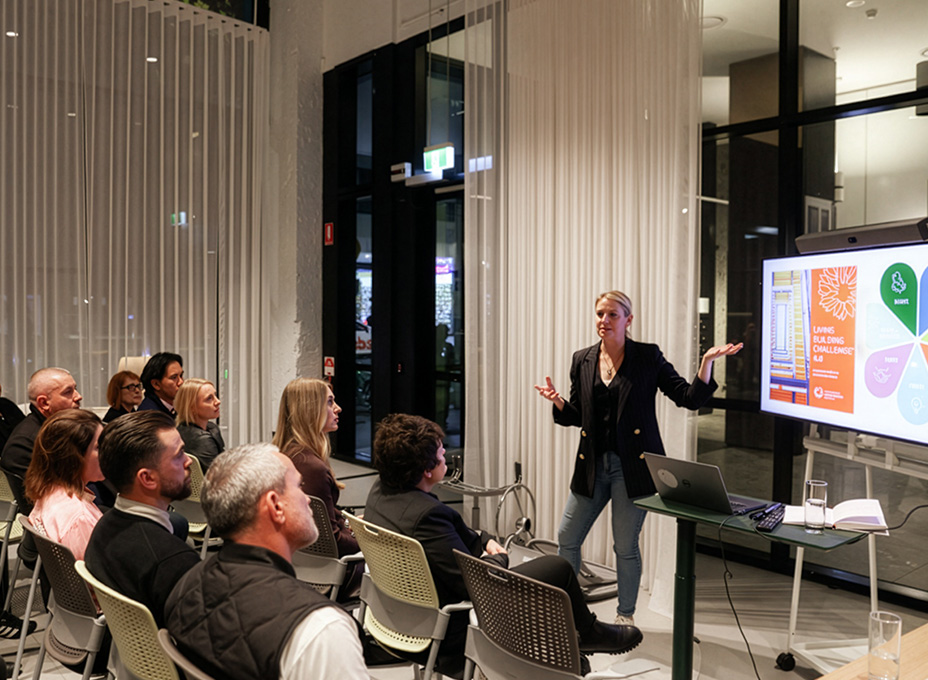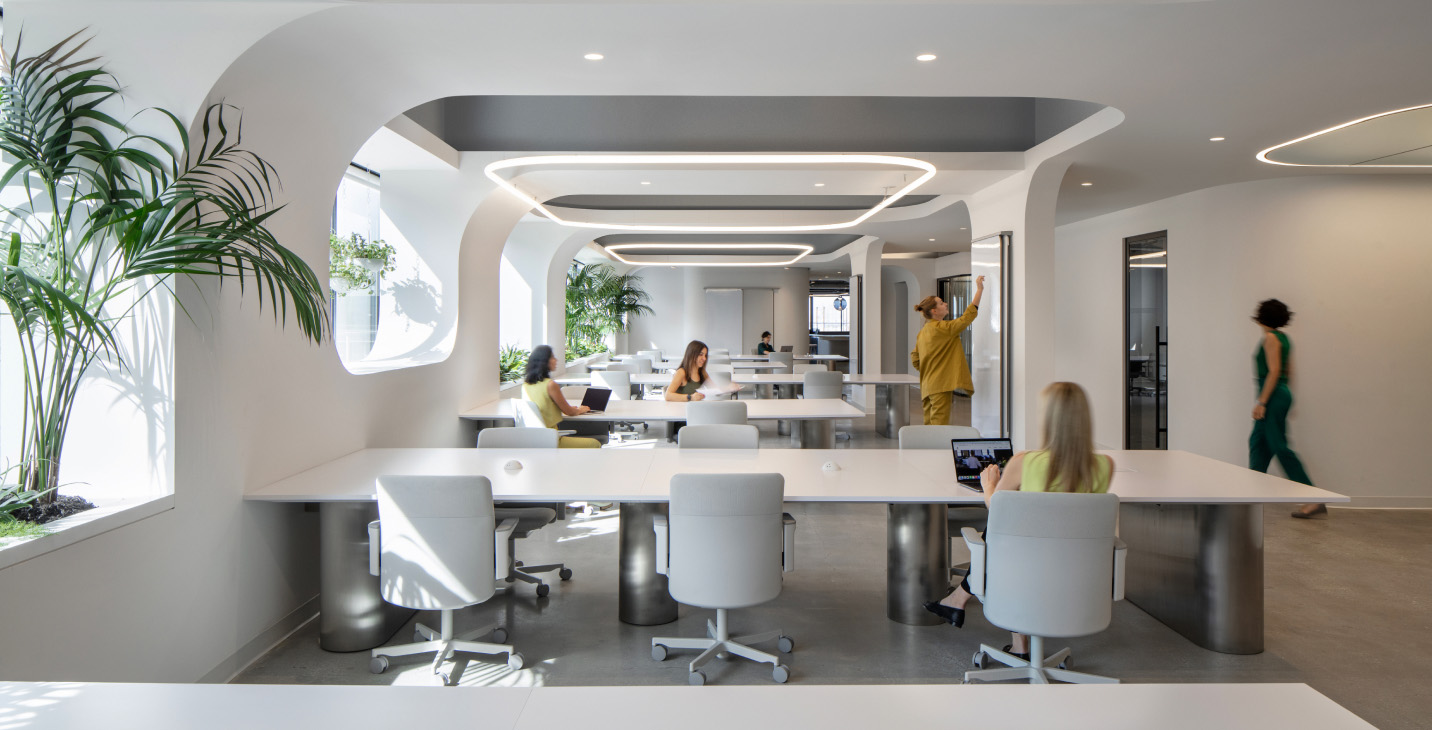
The environments where we live and work play a profound role in our health, productivity, and overall well-being. As awareness of harmful chemicals in the built environment grows, leading design and sustainability advocates such as Gensler are calling for urgent action to create healthier indoor spaces. In response, companies like Humanscale are pioneering sustainable solutions that align with this vision, eliminating toxic materials from their products and setting a new benchmark for wellness-focused design.
The Case for Healthier Workspaces
People spend approximately 90% of their time indoors, with much of that time in corporate offices, homes, and other built environments. According to the U.S. Environmental Protection Agency (EPA), indoor air pollution can be two to five times higher than outdoor air pollution, with some estimates suggesting that in certain cases, it can be up to 100 times worse. Poor Indoor Air Quality (IAQ) has been linked to respiratory diseases, cognitive decline, and even cardiovascular issues, making it a critical area of concern.
One major contributor to poor IAQ is the presence of Volatile Organic Compounds (VOCs), which are emitted from paints, furniture, adhesives, and synthetic materials. These chemicals, along with per- and polyfluoroalkyl substances (PFAS) and flame retardants, are known to cause adverse health effects such as endocrine disruption, neurological impairments, and cancer. Gensler emphasises that eliminating these harmful substances from the built environment can lead to significant improvements in occupant health, from reducing hormone-related cancers to supporting better cognitive function and workplace performance.
Call to Remove Harmful Chemicals
Gensler has been at the forefront of advocating for the removal of toxic chemicals from the built environment. Their research highlights the growing body of evidence linking Endocrine-Disrupting Chemicals (EDCs) to widespread health concerns, including infertility, obesity, and hormone-related cancers. As a leading global design and architecture firm, Gensler has underscored the importance of choosing materials that do not contain Red List chemicals, substances that are known to be the most harmful to human and environmental health.
In their recent blog post, Gensler calls for a systemic shift in how buildings are designed and furnished. They advocate for manufacturers to take responsibility for material transparency and prioritise the use of sustainable, non-toxic alternatives. This initiative is not only beneficial for individual health but also crucial for broader environmental sustainability efforts, as many of these chemicals contribute to water and soil contamination.
Leadership in Sustainable Manufacturing
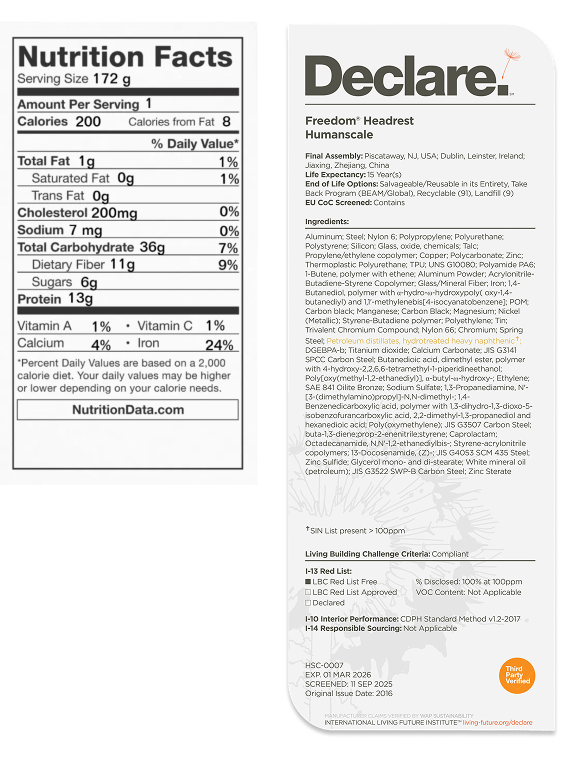
Humanscale is an industry leader in sustainable design and manufacturing consistently pushing the boundaries of sustainability within the design and manufacturing industries - most recently adding B-Corp certification - by pioneering innovative practices that eliminate harmful chemicals from their products. In 2018, we became the first office furniture manufacturer to eliminate all Red List chemicals from its products, ensuring that its materials support healthier indoor environments. We are also at the forefront of ingredient transparency, publishing Declare labels and Health Product Declarations (HPDs) across our portfolio. By openly disclosing product ingredients and material health information, we empowers architects, designers, and customers to make more informed decisions while setting a new benchmark for transparency in the industry.
In 2016, Humanscale also became the first manufacturer to achieve full Living Product Challenge certification, an ambitious sustainability standard that requires products to have a net-positive impact on both the environment and society. This means that every certified product contributes more to environmental and human well-being than it takes from the planet during production. Products such as the Diffrient World Chair and M2 Pro set new standards in sustainable design by using responsibly sourced, non-toxic materials.
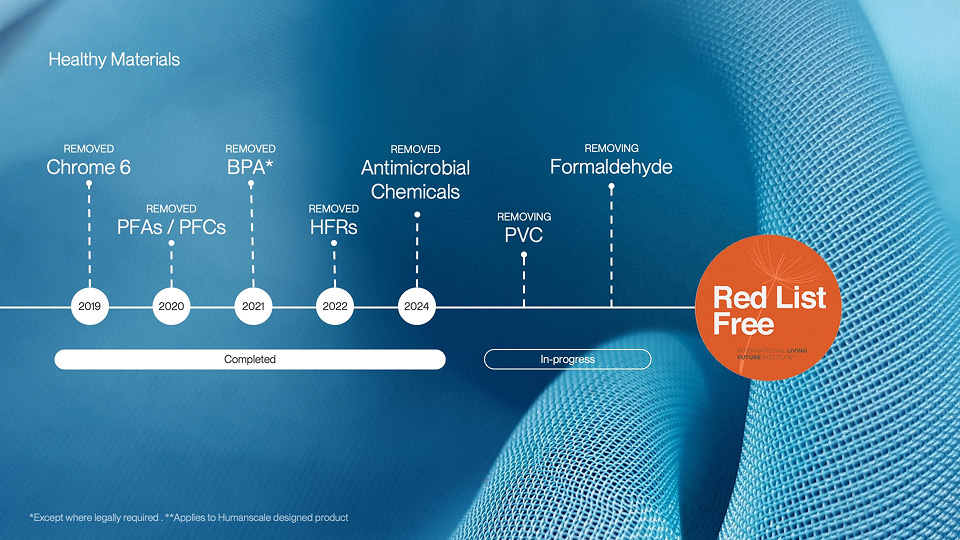
Furthermore, in 2020, Humanscale took another bold step by eliminating PFAS, also known as "forever chemicals" from all of their textiles. PFAS chemicals, commonly found in water-resistant and stain-repellent materials, have been linked to cancer, immune system suppression, and other serious health concerns. By proactively removing these substances from their supply chain, Humanscale has demonstrated that high-performance workplace solutions can be both functional and healthy.
A Collective Movement Toward Healthier Buildings
Creating healthier workplaces cannot be achieved by a single manufacturer, architect or designer alone. It requires a collective commitment from organisations across the built environment to challenge long-held assumptions about the materials we specify, manufacture and occupy every day.
That shift is already underway. Industry leaders including Gensler are helping redefine what good design looks like—not simply spaces that are beautiful and functional, but spaces that actively protect and improve human health. By encouraging architects, designers, manufacturers and clients to question the chemicals hidden within everyday materials, Gensler is helping move material health from a niche sustainability topic to a fundamental design consideration.
Manufacturers also have a critical role to play. While architects and designers can specify healthier products, meaningful change depends on manufacturers investing in safer materials, greater transparency and innovation that proves high-performance products do not need to rely on harmful chemistry.
This is where Humanscale has chosen to lead rather than follow. For more than two decades, the company has demonstrated that healthy materials should not be viewed as a premium option or future aspiration—they should be the industry standard.
As more organisations embrace this philosophy, momentum is building. Architects are demanding greater transparency. Manufacturers are investing in healthier materials. This collective movement is changing the definition of workplace performance. The healthiest workplaces are no longer judged solely by energy efficiency, flexibility or aesthetics, but by their ability to support the long-term health of the people inside them.
The conversation has evolved from reducing environmental harm to creating buildings that actively contribute to human wellbeing. Thanks to the leadership of organisations like Gensler, Humanscale and many others committed to material transparency and healthy design, that future is becoming increasingly achievable.
Inspired by https://www.gensler.com/blog/healthy-spaces-removing-chemicals-built-environment