Whether you're working from home full-time, splitting your week between home and the office, or simply spending more time at a desk, the chair you sit in matters more than you might think.
The average person spends thousands of hours sitting each year. Yet when choosing an office chair, it's easy to focus on appearance, price or a long list of features rather than the factors that truly affect comfort and wellbeing. A well-designed ergonomic chair can help support healthy movement, reduce physical strain and keep you comfortable throughout the day. The wrong chair can contribute to discomfort, fatigue and distraction, particularly during long periods of sitting.
With so many options available, knowing what to look for can be challenging. This guide explores the key principles of ergonomic seating and what to consider when choosing a chair that supports the way you work.
Start by Understanding Your Workstyle
Before comparing specifications or features, think about how you spend your day.
Someone who sits for two or three hours at a time may have very different needs from someone who spends eight or more hours at a desk. Likewise, a dedicated home office setup requires different considerations than a shared workspace or hybrid working environment.
Ask yourself:
- How many hours do you spend sitting each day?
- Do you primarily perform focused computer work, creative tasks or a mix of activities?
- Do you frequently change posture throughout the day?
- Is simplicity important, or do you prefer a chair with extensive manual adjustments?
- Are aesthetics and sustainability factors in your decision?
The answers will help determine which ergonomic features will have the greatest impact on your daily comfort.
What Makes a Chair Truly Ergonomic?
Many office chairs claim to be ergonomic, but true ergonomics goes beyond adjustable armrests and lumbar cushions. An ergonomic chair should work in harmony with the human body. It should support natural movement, adapt to changing postures and provide comfort throughout the day without requiring constant intervention from the user.
At Humanscale, we believe that ergonomic design should be intuitive. Rather than forcing people to adapt to a chair, the chair should adapt to the person. Here are the most important factors to consider.
1. Movement Matters More Than Perfect Posture
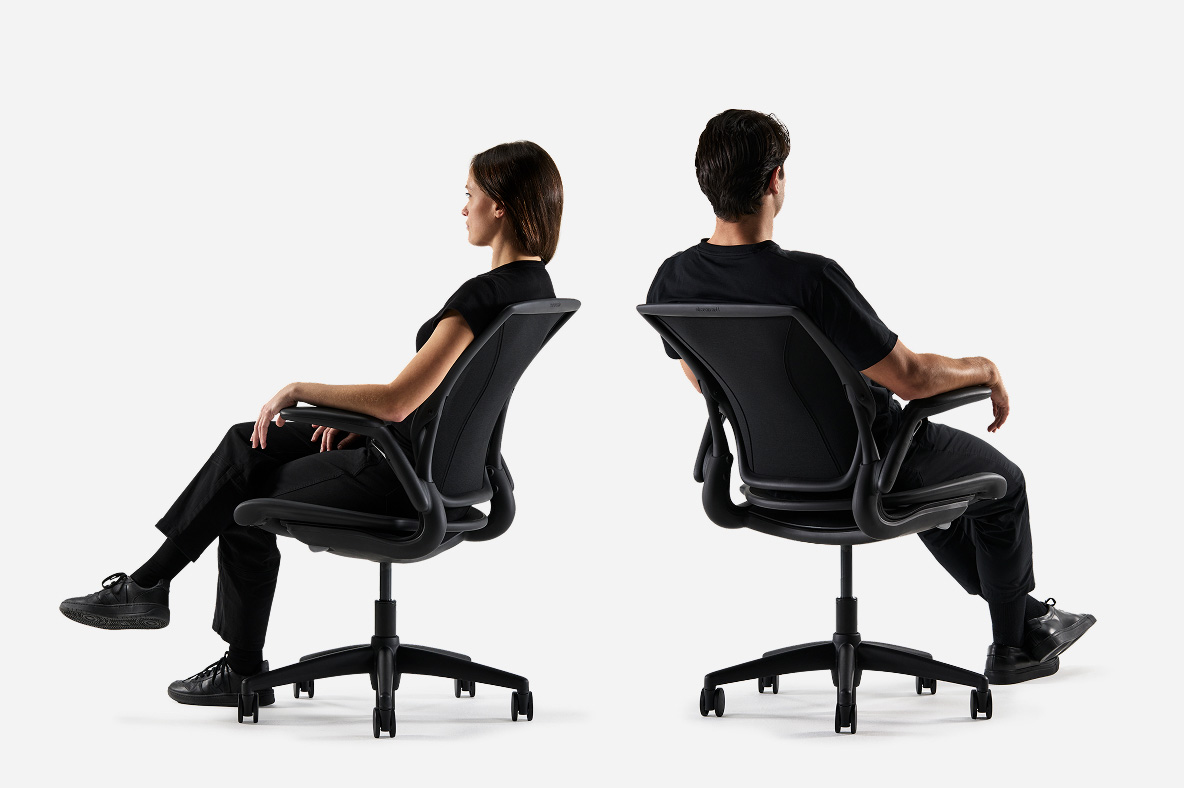
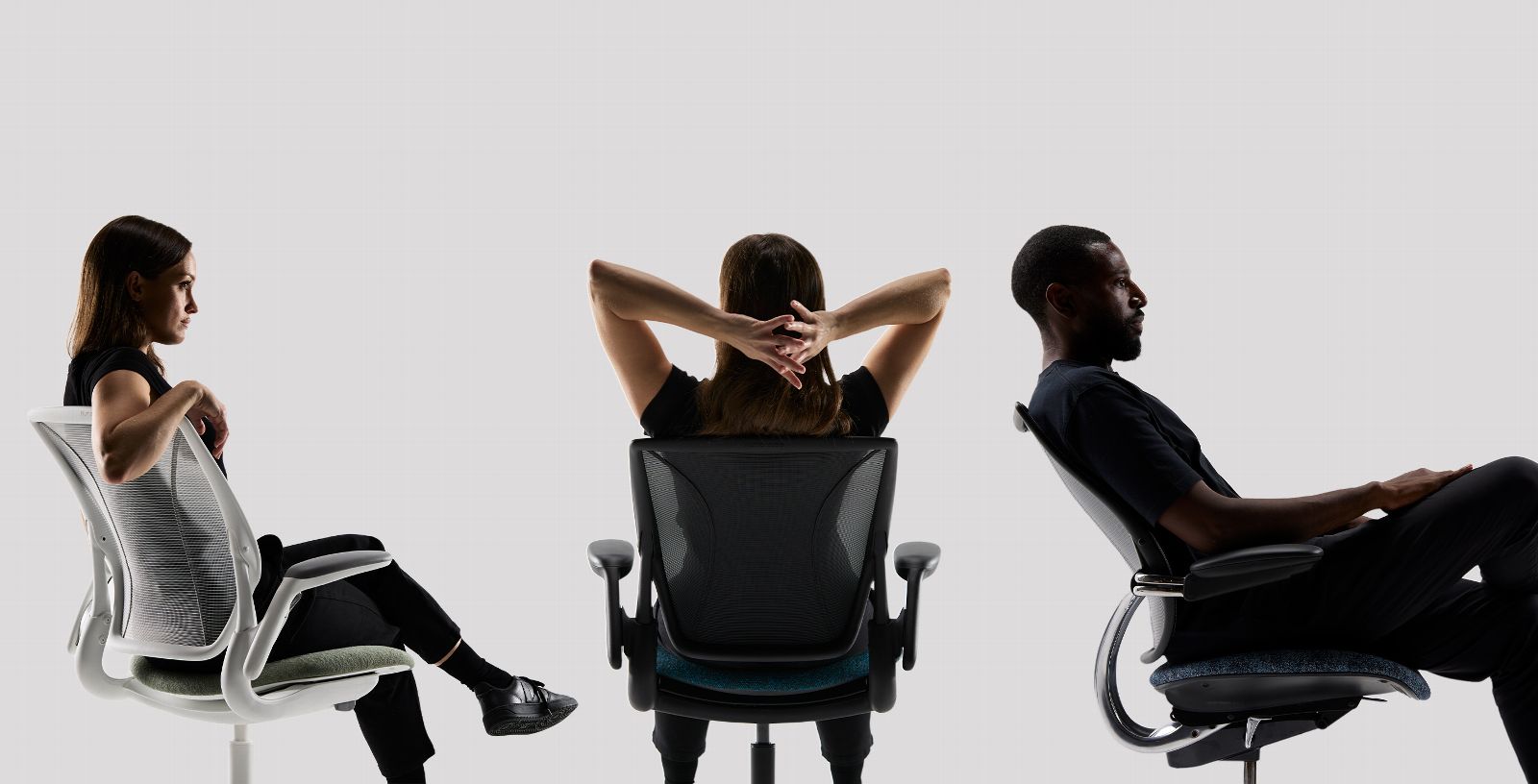
One of the most common misconceptions about ergonomics is that there is a single "correct" sitting position. In reality, the best posture is your next posture.
The human body is designed to move. Remaining in any position for extended periods can lead to discomfort, fatigue and reduced circulation. That's why the most effective ergonomic office chairs encourage movement throughout the day rather than locking users into a static position.
Look for a chair that:
- Supports natural posture changes
- Encourages dynamic sitting
- Maintains support while reclining
- Moves smoothly with your body
Humanscale chairs are designed around the principle of dynamic sitting, allowing users to move naturally while remaining supported throughout the day.
2. Choose Intelligent Recline Over Complex Adjustments
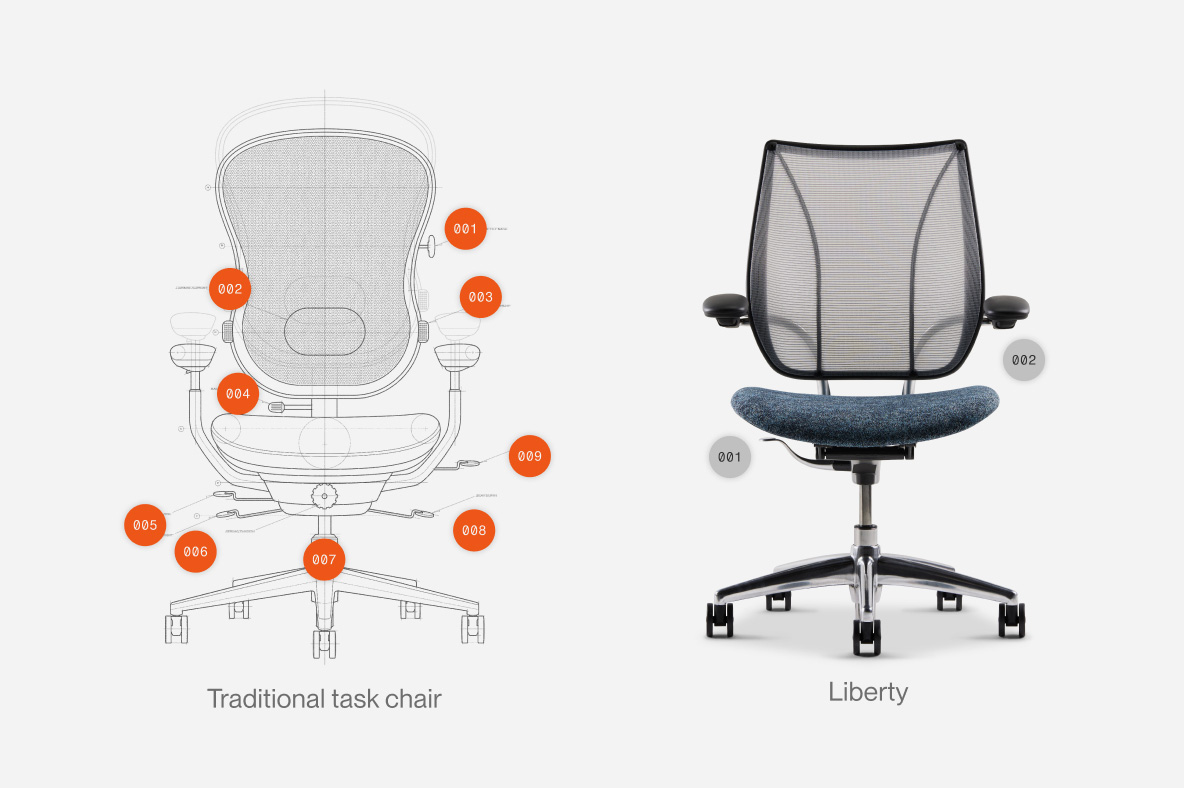
Many office chairs rely on multiple levers, tension controls and tilt locks to achieve proper support. The problem? Most users never adjust them correctly. An intelligent recline system should respond automatically to the user's body weight and movement, providing balanced support without requiring constant adjustments.
When evaluating a chair, look for:
- Smooth, natural recline motion
- Consistent support throughout the recline range
- Weight-sensitive mechanisms
- Minimal reliance on manual controls
Humanscale's self-adjusting recline technology uses the sitter's body weight and the laws of physics to deliver personalised support without tension knobs or complicated settings.
3. Support the Entire Spine
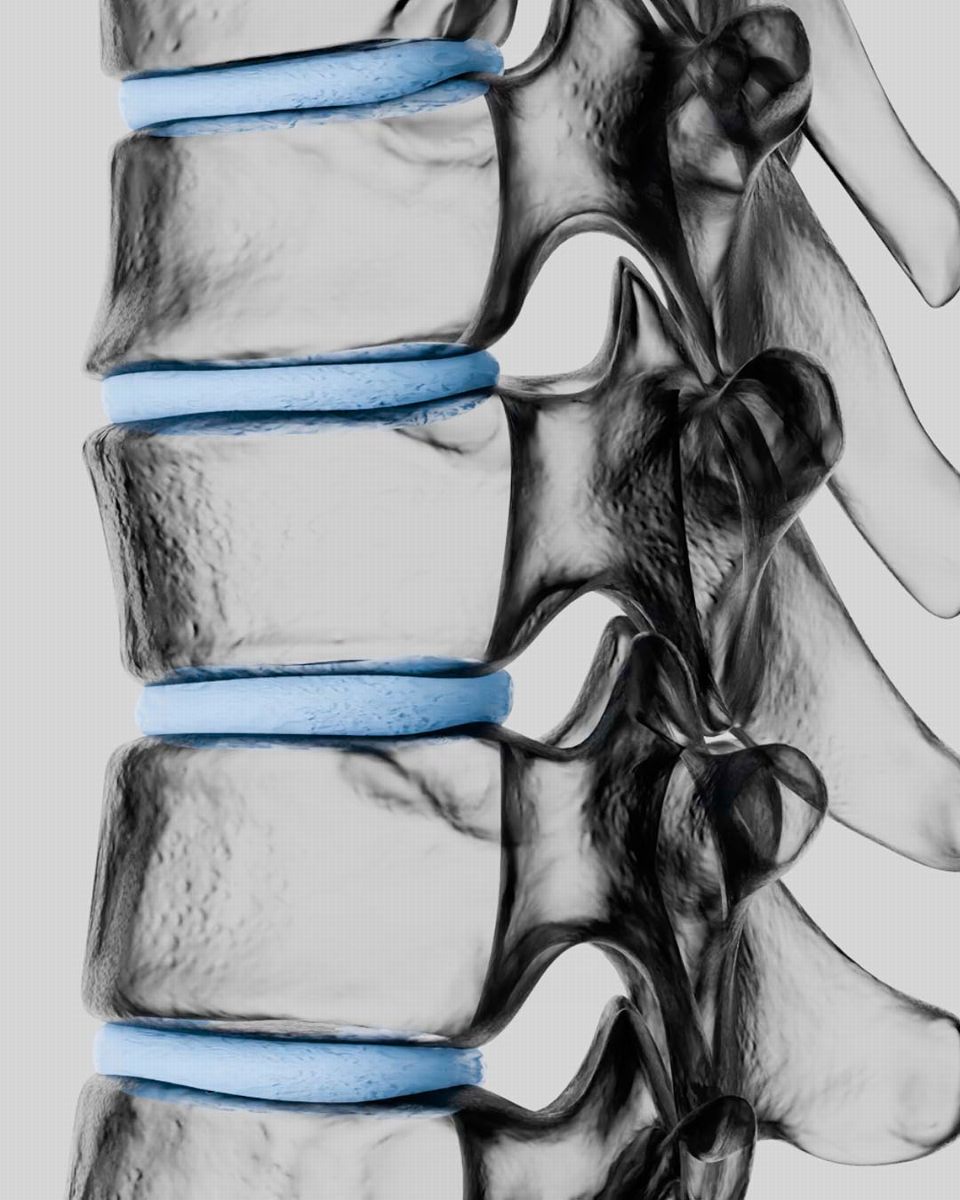
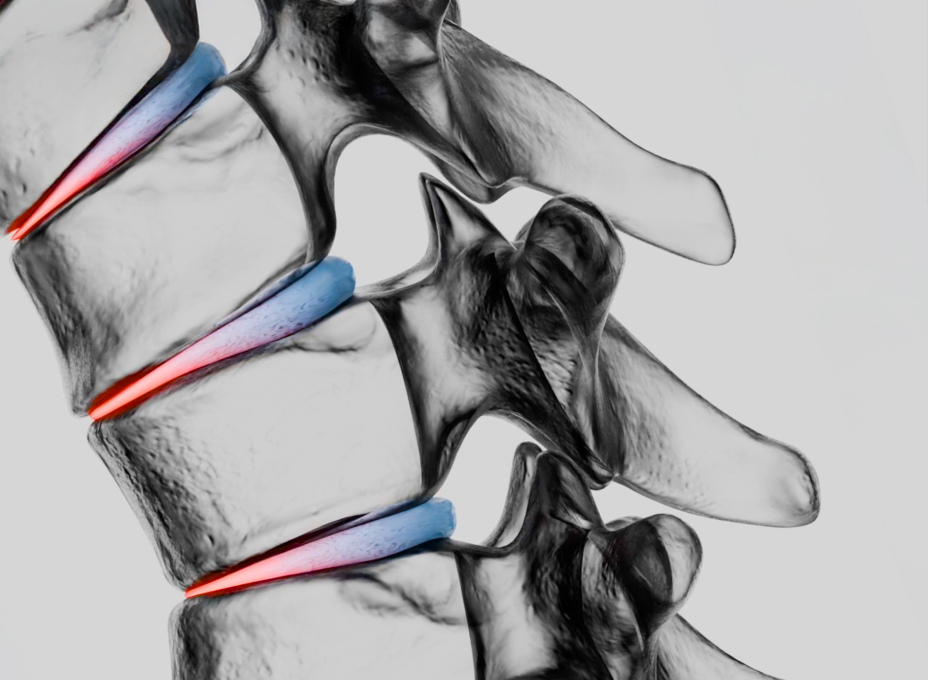
While lumbar support often receives the most attention, true ergonomic comfort comes from supporting the entire spine. The backrest should provide continuous support from the pelvis to the upper back while adapting to the user's movements throughout the day.
Look for:
- Continuous spinal support
- Responsive backrest movement
- Support across a range of postures
- Minimal pressure points
Features such as Humanscale's tri-panel mesh backrest and pivoting backrest designs help provide support that moves with the user rather than working against them.
4. Ensure the Chair Fits You
A chair should accommodate your body comfortably and naturally. When seated, your feet should rest flat on the floor, your thighs should be comfortably supported and your back should remain fully supported by the backrest.
A properly fitted chair can help:
- Reduce pressure on joints
- Improve circulation
- Promote better posture
- Increase long-term comfort
The best ergonomic chairs are designed to accommodate a wide range of users while minimising the need for complicated setup procedures.
5. Look Beyond Cushioning
Many people equate comfort with softness. However, excessively soft seating can create pressure points and reduce support over time. Lasting comfort comes from balanced support and effective pressure distribution.
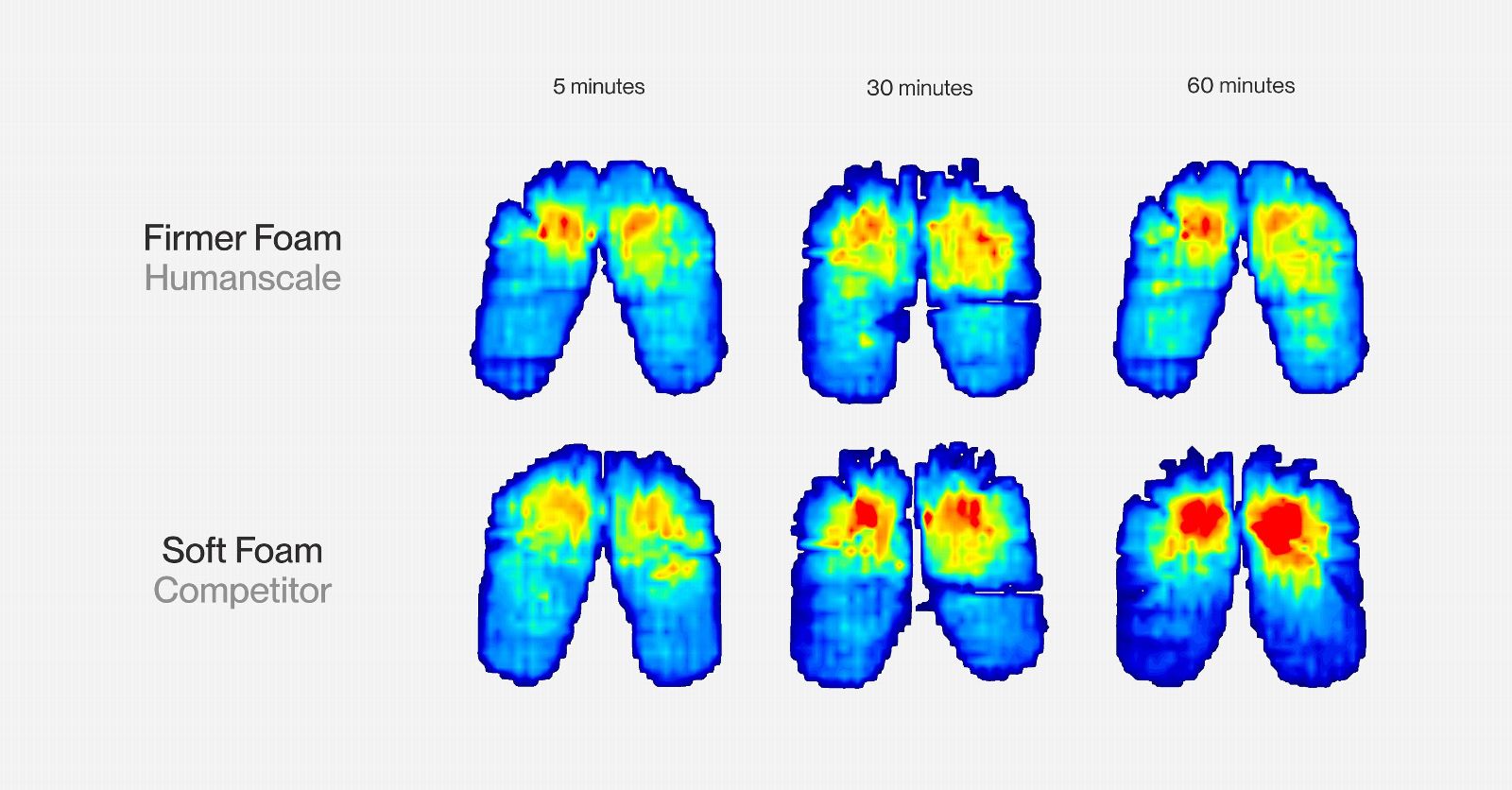
Look for:
- Even weight distribution
- Contoured seat design
- Reduced pressure on the hips and thighs
- Consistent comfort during prolonged sitting
The goal isn't simply to feel comfortable for ten minutes—it's to remain comfortable after several hours of focused work.
6. Don't Overlook Arm Support
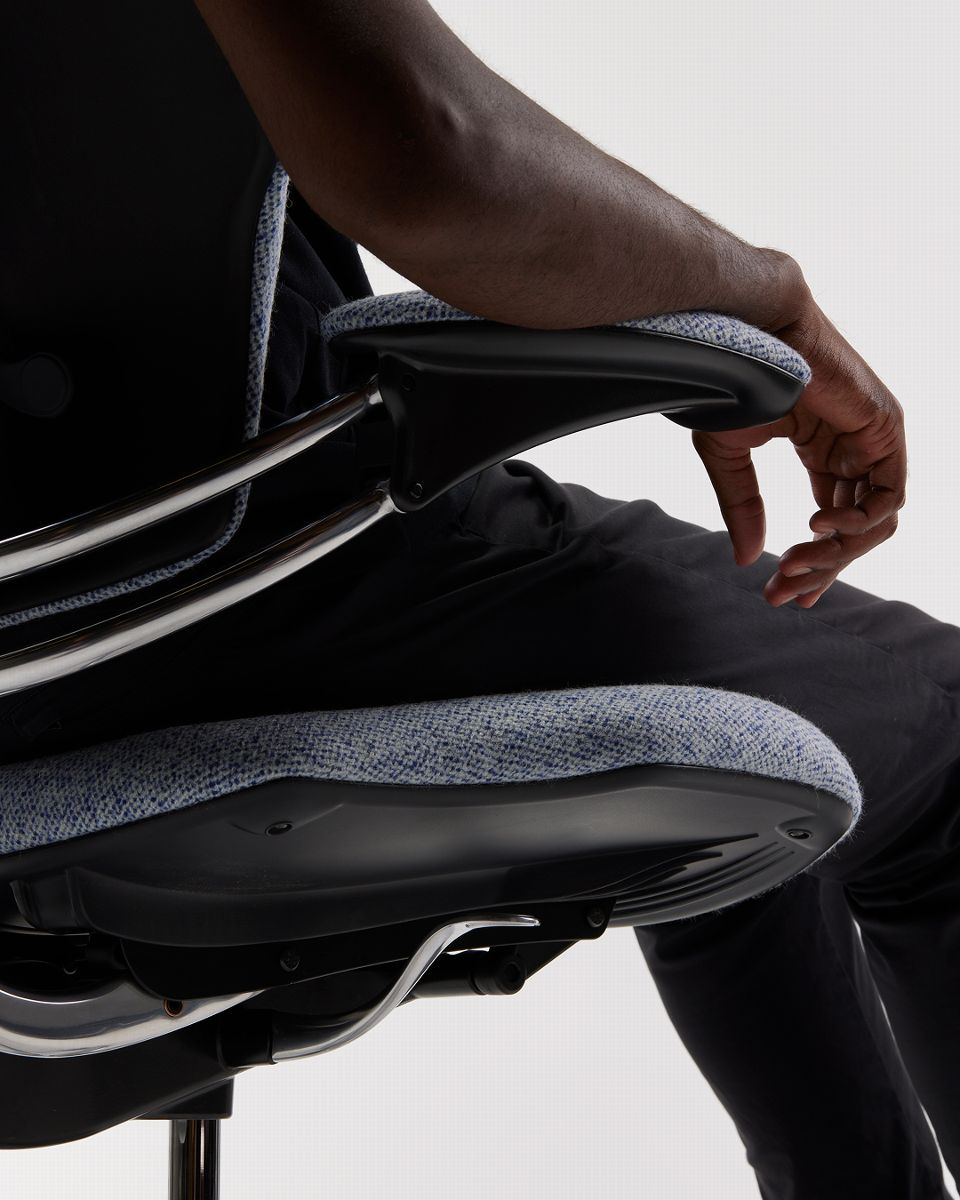
Your arms account for approximately ten percent of your body weight. Without proper support, that weight can place unnecessary strain on the neck, shoulders and upper back.
Effective armrests should:
- Support relaxed shoulders
- Keep elbows close to the body
- Move naturally with changes in posture
- Allow comfortable access to the desk
Humanscale's synchronous armrests are designed to move together with the user, providing support throughout different working positions.
7. Consider Breathability and Materials
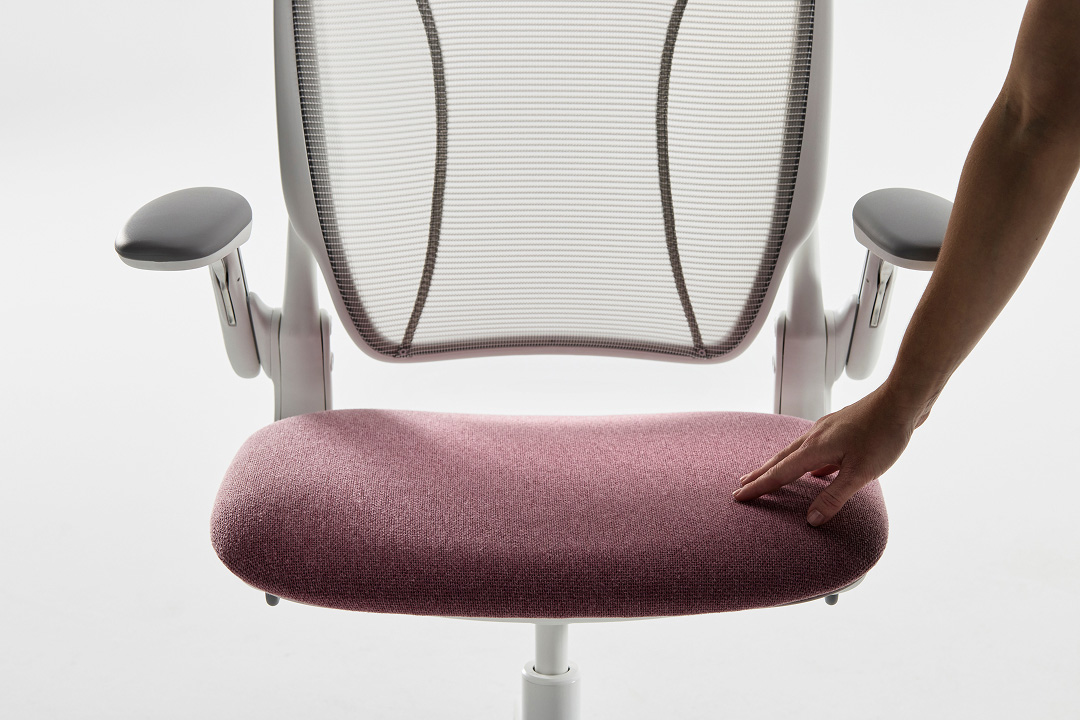
Temperature plays an important role in comfort. Breathable materials can help improve airflow and reduce heat build-up during long periods of sitting, making them particularly beneficial in warmer climates or home offices with limited ventilation.
Look for materials that balance:
- Breathability
- Durability
- Comfort
- Ease of maintenance
8. Simplicity Is an Ergonomic Feature
More controls do not necessarily mean better ergonomics. In fact, excessive complexity often prevents users from experiencing the full benefits of their chair. The most effective ergonomic products are intuitive and easy to use from the moment you sit down.
Look for designs that:
- Adapt automatically where possible
- Minimise unnecessary controls
- Encourage immediate comfort
- Support a wide range of users
This philosophy is central to Humanscale's approach to design: creating ergonomic solutions that fit people naturally rather than requiring people to learn how to operate them.
Finding the Right Humanscale Chair
Every Humanscale chair is designed around the principles of movement, simplicity and self-adjusting support, but different models offer distinct benefits depending on how you work.
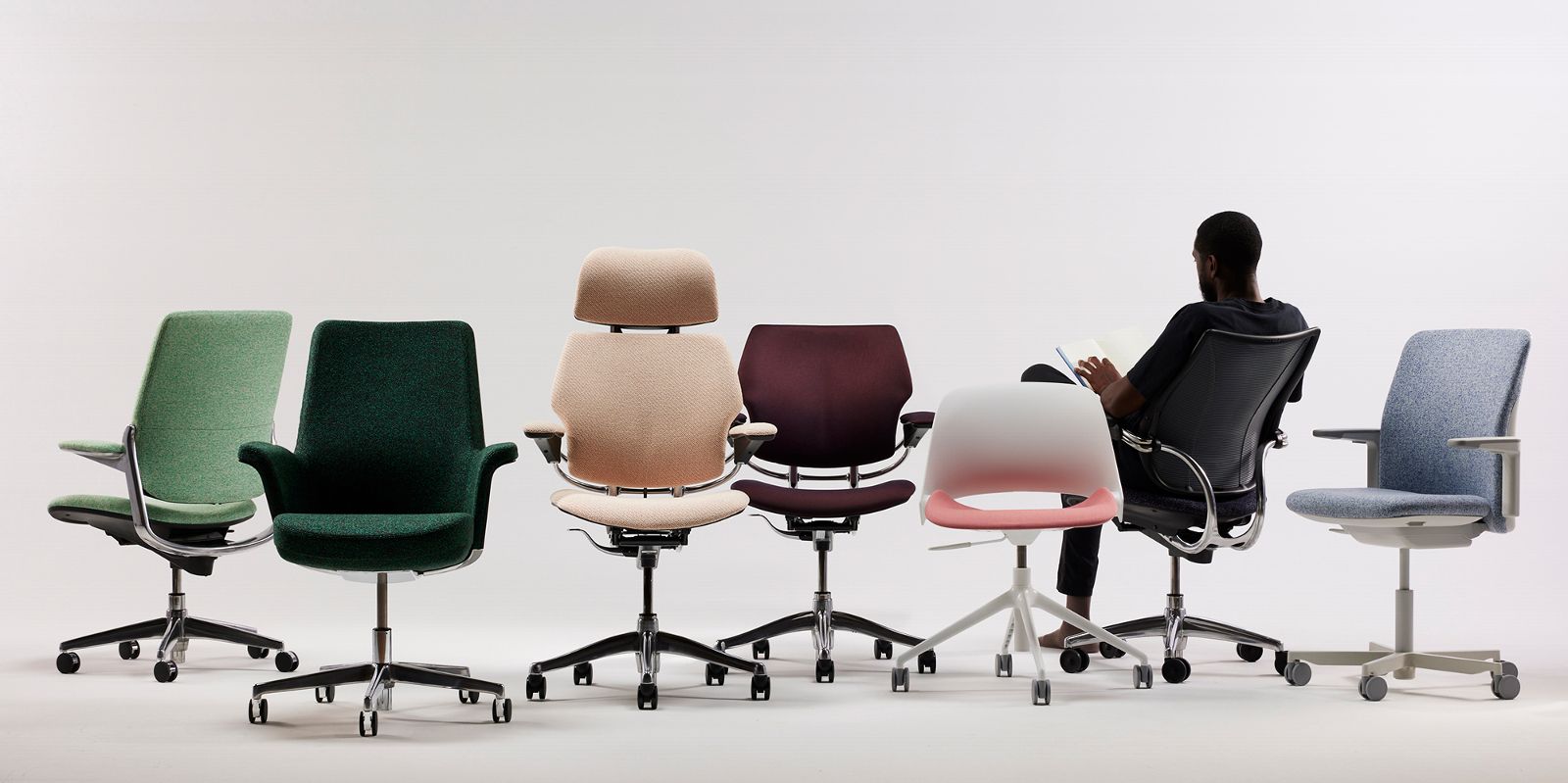
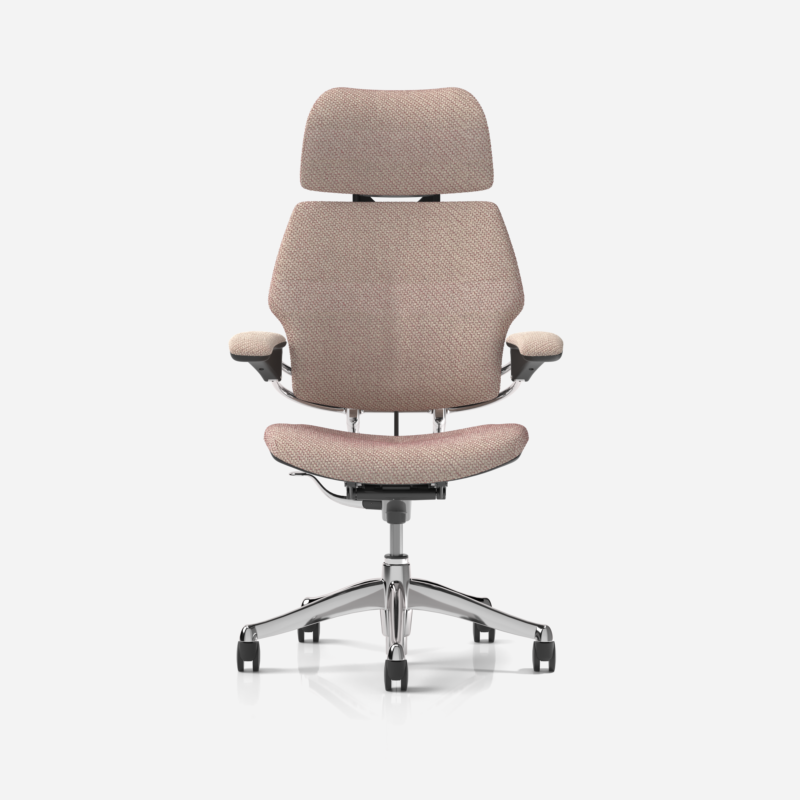
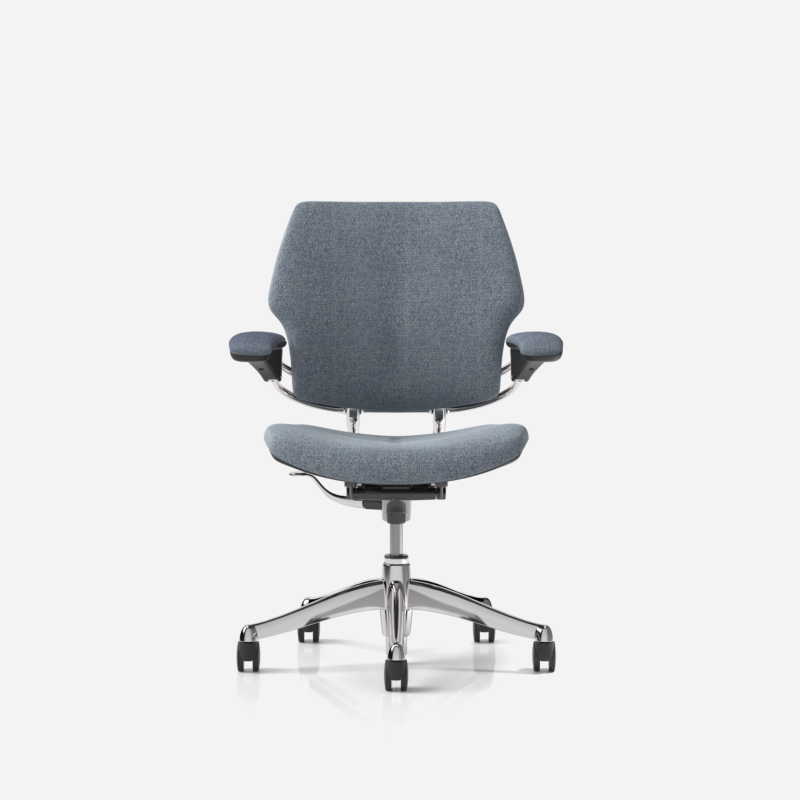
Freedom is ideal for users seeking effortless comfort and all-day support. Freedom features Humanscale's pioneering self-adjusting recline mechanism and iconic synchronous armrests. It's particularly well suited to professionals who spend long hours at their desk and want ergonomic performance without constant adjustments.
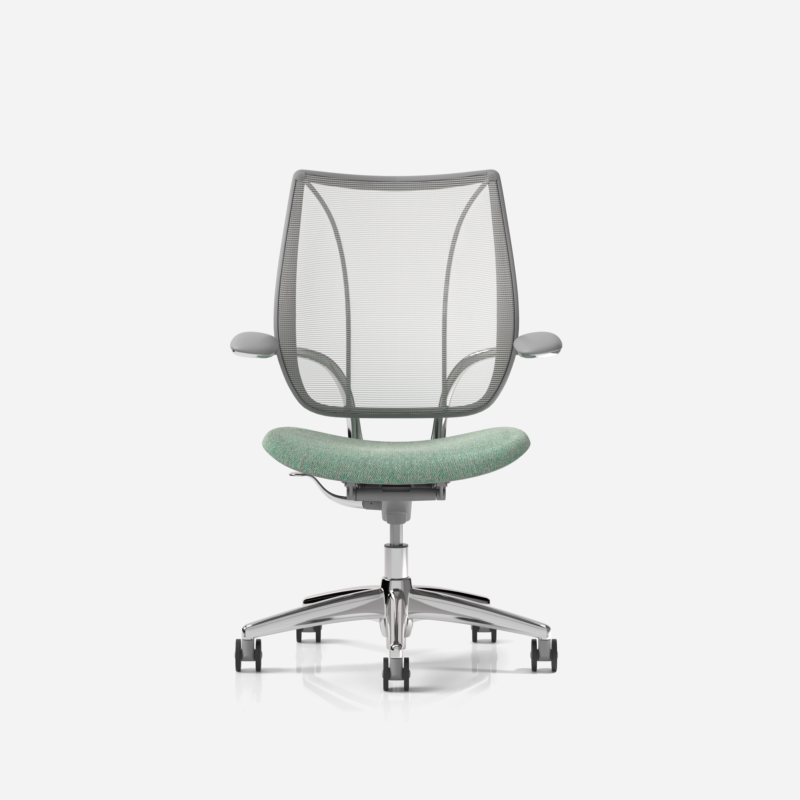
Liberty is designed for active sitters and combines a minimalist aesthetic with a tri-panel mesh backrest that automatically conforms to the user's back. It's an excellent choice for those who value responsive support, breathability and freedom of movement.
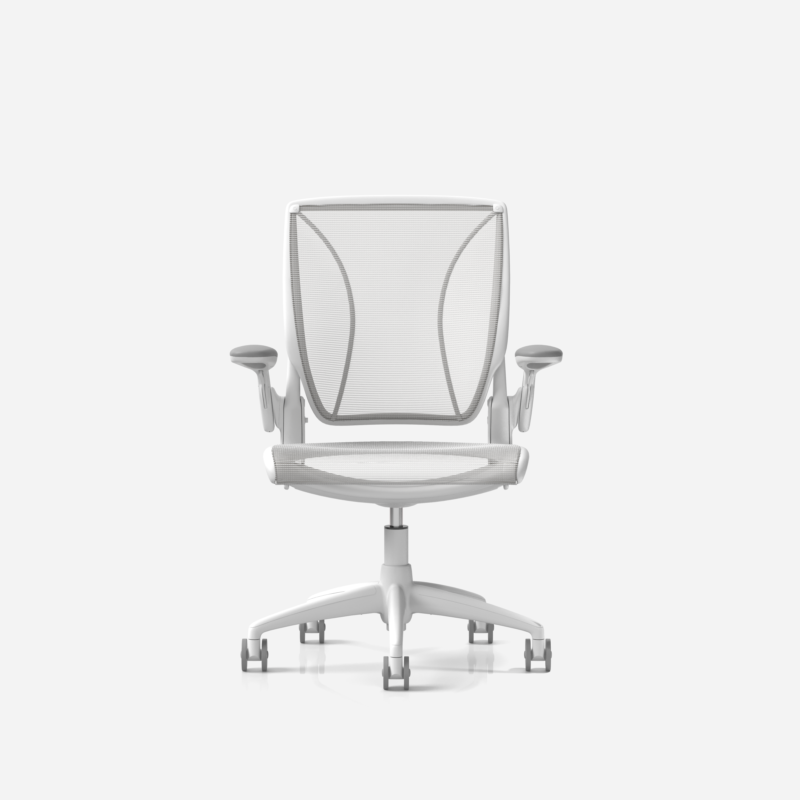
Diffrient World is lightweight, sustainable and intuitive, and delivers ergonomic performance through intelligent engineering rather than mechanical complexity. Its weight-sensitive recline and breathable design make it well suited to modern home offices and hybrid workspaces.
The Best Ergonomic Office Chair Is the One That Works Naturally With You
The best office chair isn't necessarily the one with the most features or adjustments. It's the one that supports your body, encourages movement and remains comfortable throughout the day without demanding your attention.
By focusing on ergonomics, fit, movement and intuitive design, you can choose a chair that supports not only the way you work today, but your comfort and wellbeing for years to come.