
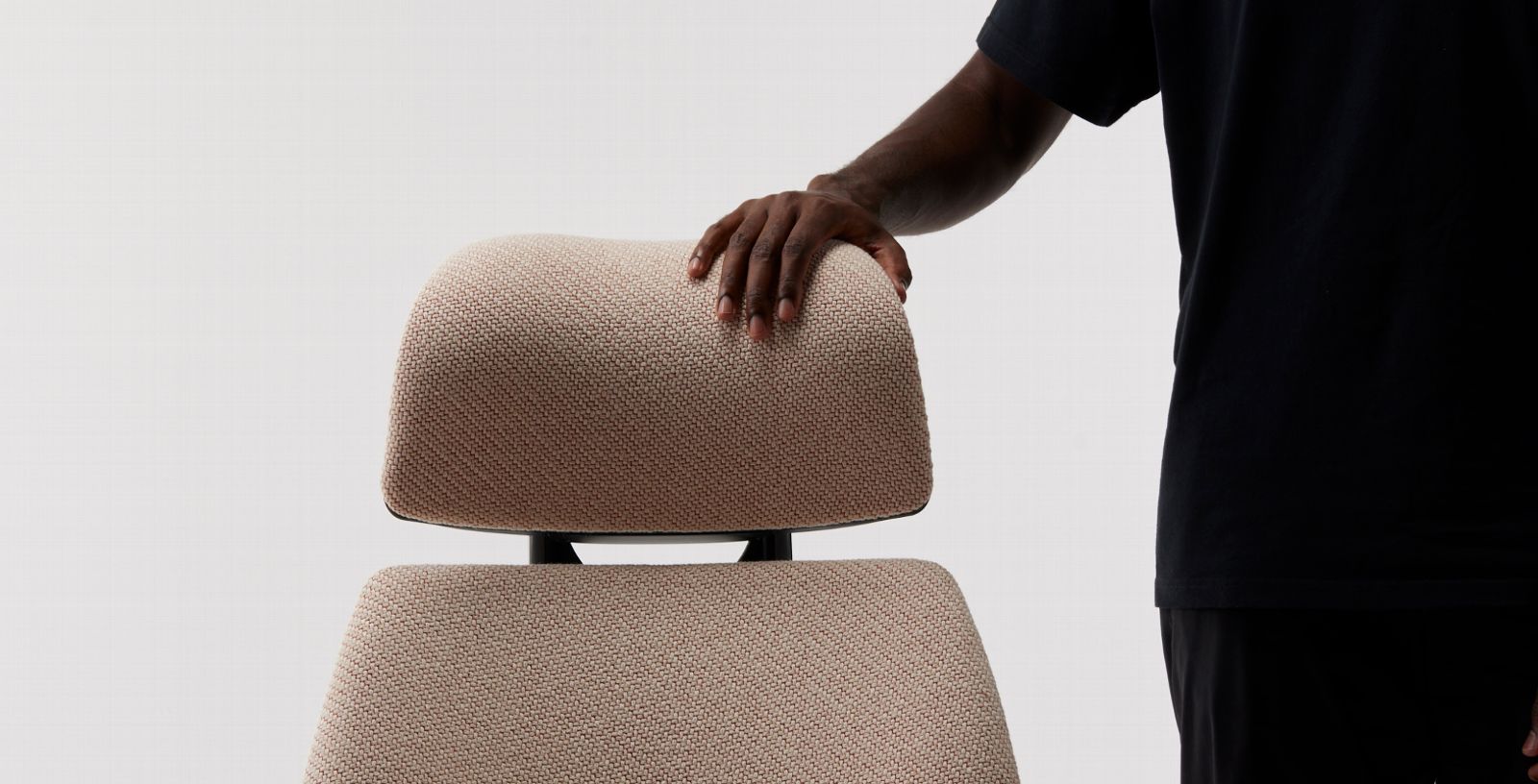
Neck pain has become a modern epidemic. In fact, studies show that up to 70% of office workers report experiencing neck discomfort at some point during their careers. For remote workers and traditional office employees alike, the culprit is often long hours spent hunched over desks and screens. So, the question arises: can something as simple as a chair headrest really make a difference?
This article explores whether ergonomic headrests are a helpful solution—or just another feature collecting dust. We'll look at what the science says, when headrests help, and how to decide if you need one.
Understanding Neck Pain from Desk Work
Why does sitting at a desk hurt your neck? It’s usually not just one thing—neck and shoulder pain often come from a mix of bad posture, muscle fatigue, and poor workstation setup.
Here are some of the most common causes:
- Forward head posture, also known as “tech neck,” where your head leans forward past your shoulders. This adds strain to your neck muscles.
- Static postures that cause fatigue from holding your head and shoulders in one place for hours.
- Improper monitor height, forcing you to look down or up unnaturally.
- Stress and tension, which can build up in the neck and shoulders without you noticing.
- Poor ergonomics—from chairs that don’t support your body to desks that don’t fit your space.
➡️ Learn more about tech neck and posture at your desk.
The Role of Headrests in Ergonomic Chair Design
Headrests aren’t just there for looks. Their main purpose is to support the cervical spine—that upper part of your spine running through the neck.
What Headrests Do:
- Reduce strain by letting your neck muscles relax intermittently
- Promote proper posture when reclining
- Help align your head and neck with your spine
Types of Headrests:
- Fixed – Doesn’t adjust. Often not ideal unless it fits your body perfectly.
- Adjustable – Can be raised, lowered, or angled to suit your neck.
- Dynamic – Moves with your posture for continuous support.
A high-quality headrest should be adjustable, padded enough to be comfortable, and positioned to follow the natural curve of your neck—not push your head forward.
Do You Really Need a Headrest on Your Office Chair?
Not everyone needs a headrest—but some people will benefit greatly. Here's how to tell.
Consider a Headrest If You:
- Sit for long hours with little movement
- Suffer from chronic neck pain or upper back tension
- Frequently recline while working or during breaks
- Are taller than average and need more support at the top of the chair
Your decision should be based on your working style, body size, and ergonomic setup—not just whether the chair looks more “complete” with a headrest.
Proper Headrest Positioning for Maximum Benefit
Even the best headrest won't help if it's set up incorrectly. Here's how to make sure it’s working for you—not against you.
Best Practices:
- The top of the headrest should be level with the top of your head or just below it.
- The depth should allow the headrest to gently support the back of your head without forcing it forward.
- The angle should align with the natural curve of your neck.
Common mistakes include placing it too high or low, which can actually worsen neck strain.
Research and Expert Opinions
While the body of research on headrests is still growing, some evidence supports their role in reducing neck fatigue—especially during reclining tasks. Ergonomists and physical therapists often recommend dynamic headrests for people who need to recline or take pressure off their upper spine during breaks.
But experts also agree: headrests are not a standalone fix. The real power lies in the overall ergonomic setup.
Beyond Headrests: A Full Approach to Neck Pain Relief
If neck pain is your issue, your chair is just one part of the puzzle. Try integrating these tips:
- Raise your monitor so the top of the screen is at or just below eye level
- Adjust your desk setup to reduce reach and strain
- Stretch and move every 30–60 minutes
- Try accessories like document holders, laptop stands, or phone headsets
➡️ Explore our standing desks to promote movement and reduce sedentary strain.
Selecting the Right Office Chair for Neck Pain
When shopping for a chair to ease neck pain, look beyond just the headrest:
- Auto-adjusting tilt, lumbar, and seat depth
- Height adjustments
- Quality materials that offer support
Try before you buy whenever possible—and compare models designed specifically for head and neck support.
➡️ Browse our ergonomic chair with headrest for a smart blend of support and flexibility.
Alternative Solutions for Neck Support
If a new chair isn’t in your budget right now, consider:
- Standing desk converters for flexible positioning
- Professional ergonomic assessments or consultations with a physical therapist
So Is a Headrest Right for You?
While a headrest can play a valuable role in supporting your neck—especially for those who recline or have chronic pain—it’s not a one-size-fits-all solution. Your working habits, body type, and full workspace setup all matter more than any single feature.
Taking a comprehensive approach to posture, breaks, and workstation setup will deliver better, longer-lasting neck pain relief.
FAQs
- How long should I use a headrest during my workday?
- Use it when reclining or resting—don’t lean into it all day. It’s there to support, not replace good posture.
- Can a headrest make neck pain worse?
- Yes, if it’s positioned too high or pushes your head forward unnaturally.
- Do I need a headrest on my office chair?
- Not necessarily—it depends on how you sit and what kind of support your body needs.
- How do I know if my neck pain is from poor ergonomics or something else?
- Persistent or severe pain should be evaluated by a healthcare provider. If your pain eases with better posture, ergonomics may be the root cause.


.jpg)

