Rethinking Meeting Spaces for Performance, Not Just Presence
Written By Oliver Baxter, Workplace Maven
Leadership often places heavy emphasis on collaborative spaces, but this can overstate their impact. From the employee’s perspective, the office still lags behind home in delivering a quality work experience. In fact, the Leesman Index shows home-based work scoring 10 points higher than office-based work in 2024 (79.5 vs. 69.5).
Despite significant investment in workplace design, many offices still fall short—particularly in supporting focused work, deep thinking, and hybrid collaboration. This gap helps explain why employees are reluctant to return to office.
Leesman identifies three organisational types:
- Obstructor: Supports collaboration, but not focus
- Enabler: Supports focus, but not collaboration
- Catalyst: Supports both—this is the goal
To become a Catalyst, organisations must design human-centered office spaces that balance collaboration with individual focus. Supporting deep work isn’t just about productivity—it’s essential to making the office a destination worth the commute.
The Sisyphus Problem at Work
Imagine pushing a boulder up a hill every day. That’s the reality for many employees.
The better you get at your job, the heavier the boulder becomes. You’re given more responsibility, more tasks, more pressure but the hill doesn’t get any flatter. That hill is your workplace design. And for high-performing teams, the meeting and conference room is often the steepest incline. If the physical environment isn’t helping—if it’s actually increasing friction—then high performance comes at an unsustainable cost.
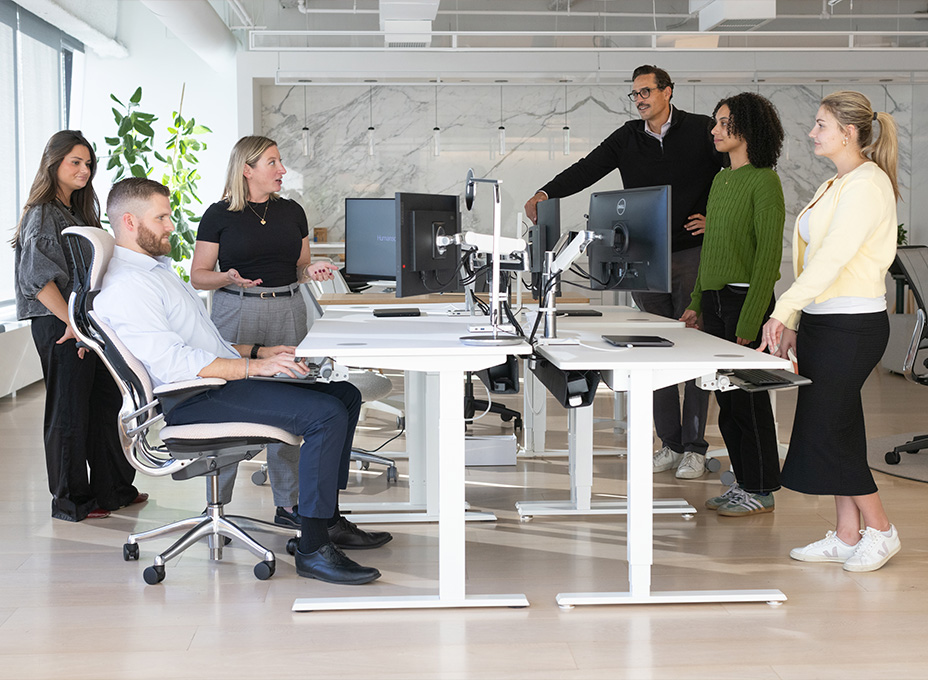
Office design isn’t just about aesthetics—it determines how employees think, communicate, and perform. Work today is fluid. Roles are dynamic. Preferences vary. Tasks shift hour to hour. What’s missing is the right level of responsiveness in our office spaces and workspaces. Designing for a fixed model no longer works and never really did. We need environments that adapt to the work being done, not just the people doing it.
Meetings Are Not All the Same
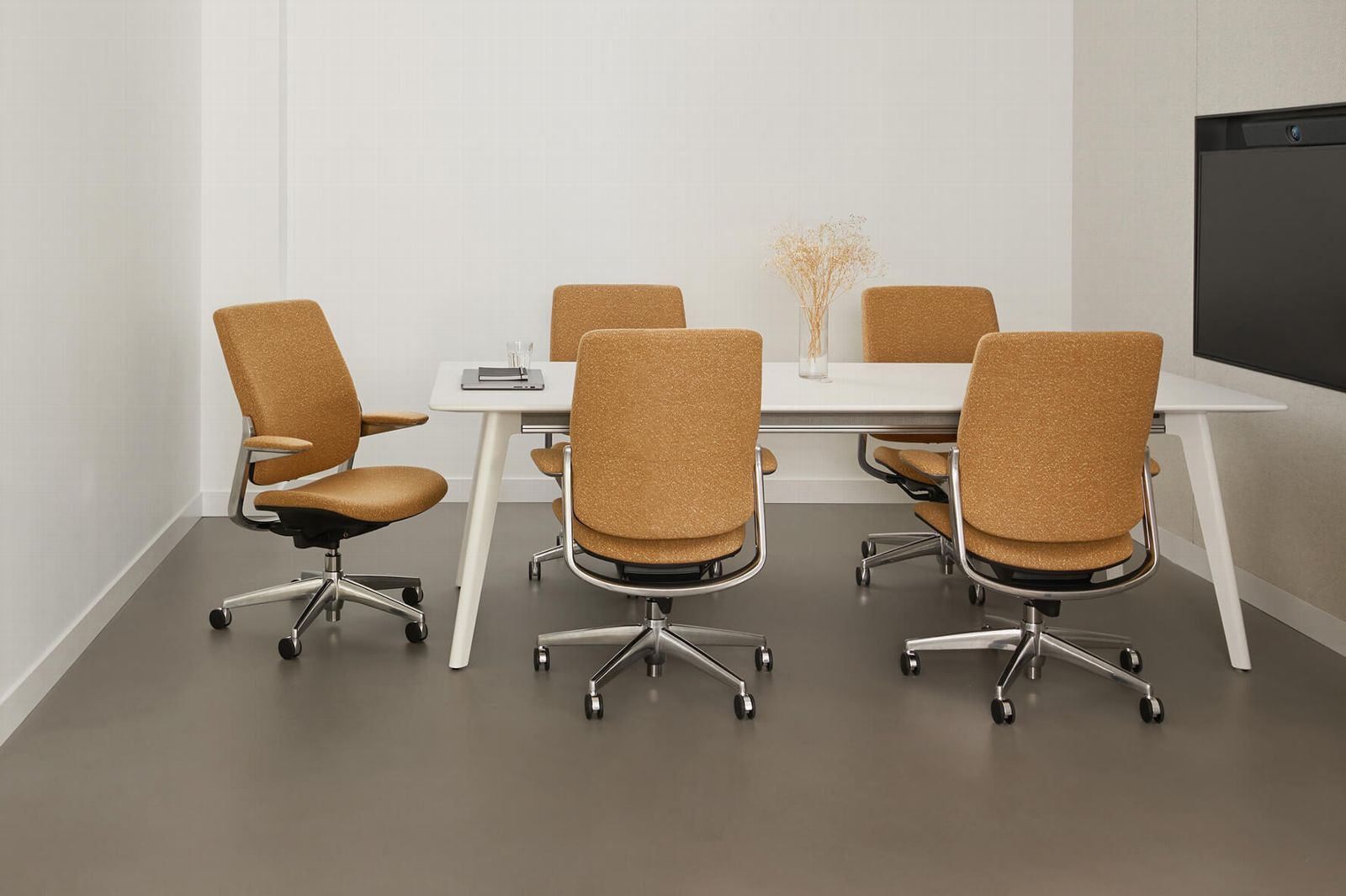
There’s no such thing as “a typical meeting.” Yet most rooms are built as if every session follows the same script. We keep designing for meetings as if they’re all the same. But they’re not:
Different meeting types need different design cues:
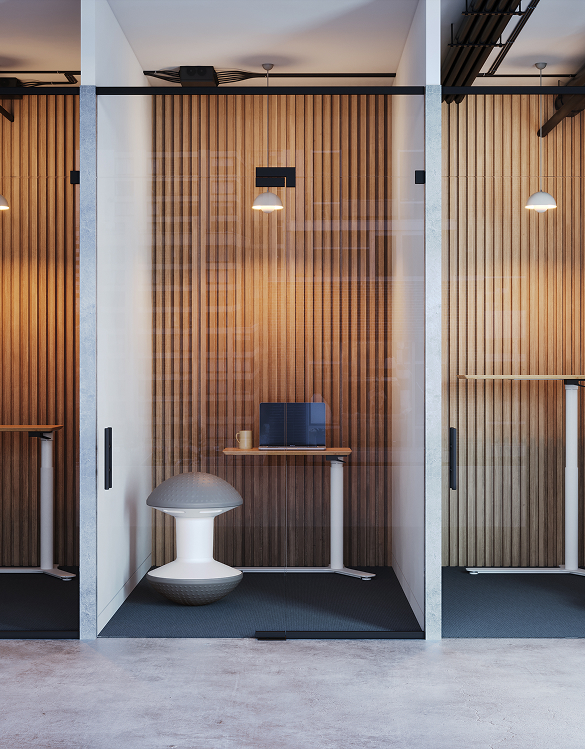
- 1:1s & check-ins → Trust & comfort
- Hybrid collaboration → Equity & clarity
- Creative work → Movement & flexibility
Each requires different rhythms, tools, and spatial dynamics. Uniform conference rooms don’t meet those needs and that creates discomfort, distraction, and disengagement.
Conference Rooms Are Still Stuck in 2003
The screen. The table. The row of chairs. It’s a layout that’s easy to install but hard to work in. These spaces: struggle to support hybrid equity, reinforce hierarchy, provide poor acoustics, limit spontaneous discussion and cause discomfort over time. This design doesn’t just limit performance. It drives employee disengagement and burnout, especially for cognitively demanding work. Design doesn’t just affect how meetings feel. It shapes how people think, speak, and show up.
What Better Meeting Spaces Look Like
From my own research into physical, cognitive, and social ergonomics, we know that effective meeting rooms need to support:
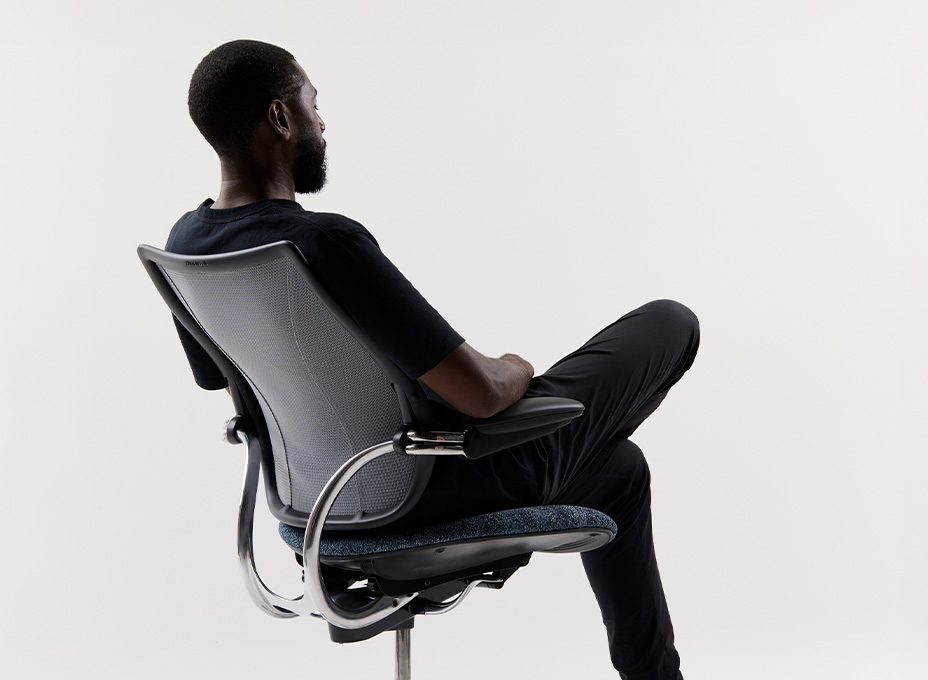
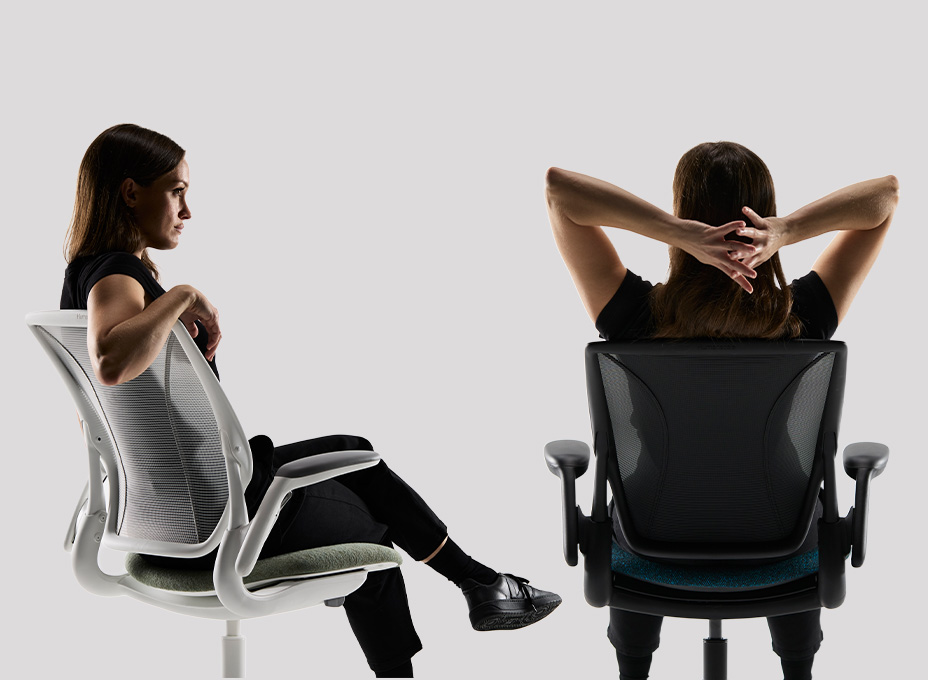
- Physical ease (movement, posture, seating)
- Cognitive clarity (lighting, sound, pacing)
- Social safety (inclusion, proximity, visibility)
Data-Supported Design Decision-Making: From Assumption to Insight
Before redesigning work spaces, we need to understand how they’re being used and how employees want to use them – workplace design without insight is just guesswork.
This is where data becomes critical. But not just one source. The key is triangulation - layering multiple data points to see the full picture with greater clarity and confidence. Platforms like Leesman or Workplaced can help organisations measure the current vs. preferred employee experience, map the realities of hybrid work, track occupancy and utilisation patterns, and analyse meeting room bookings. These insights reveal not only what is happening, but also what’s missing.
For example:
- Are your most-used conference rooms the ones best equipped for hybrid?
- Are people choosing spaces that actually support focus work or just the only ones available?
- Is the layout aligned with the way people work, or just the way we think they should?
Triangulating experience data, booking behaviour, and utilisation patterns helps build a more complete view. It prevents over-indexing on isolated feedback or anecdotal preferences. This is where a skilled workplace strategist/designer adds real value helping you interpret these signals and make better-informed decisions.
The Real Goal: Reduce Friction, Not Just Add Features
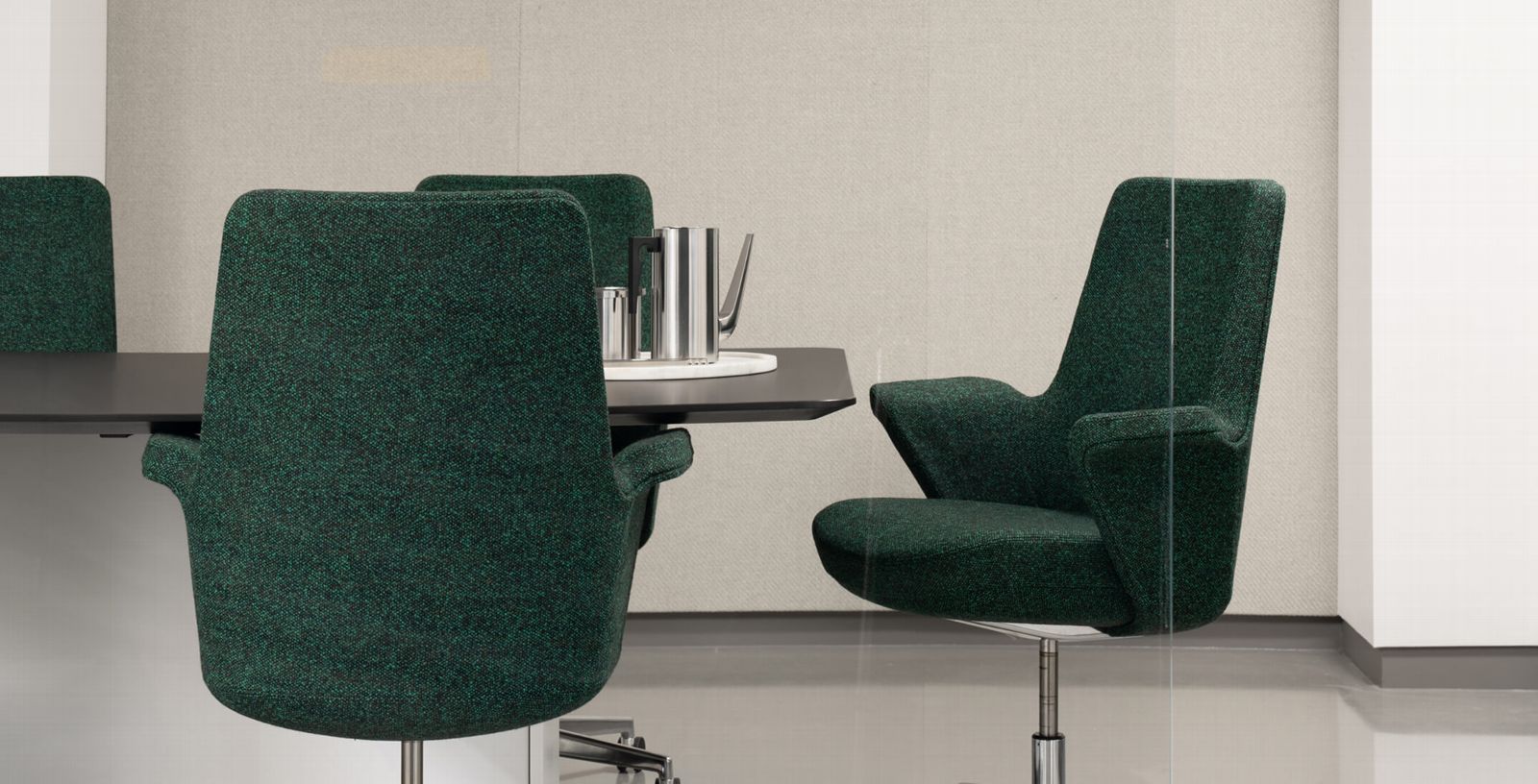
Let’s compare two common meeting and conference room types.
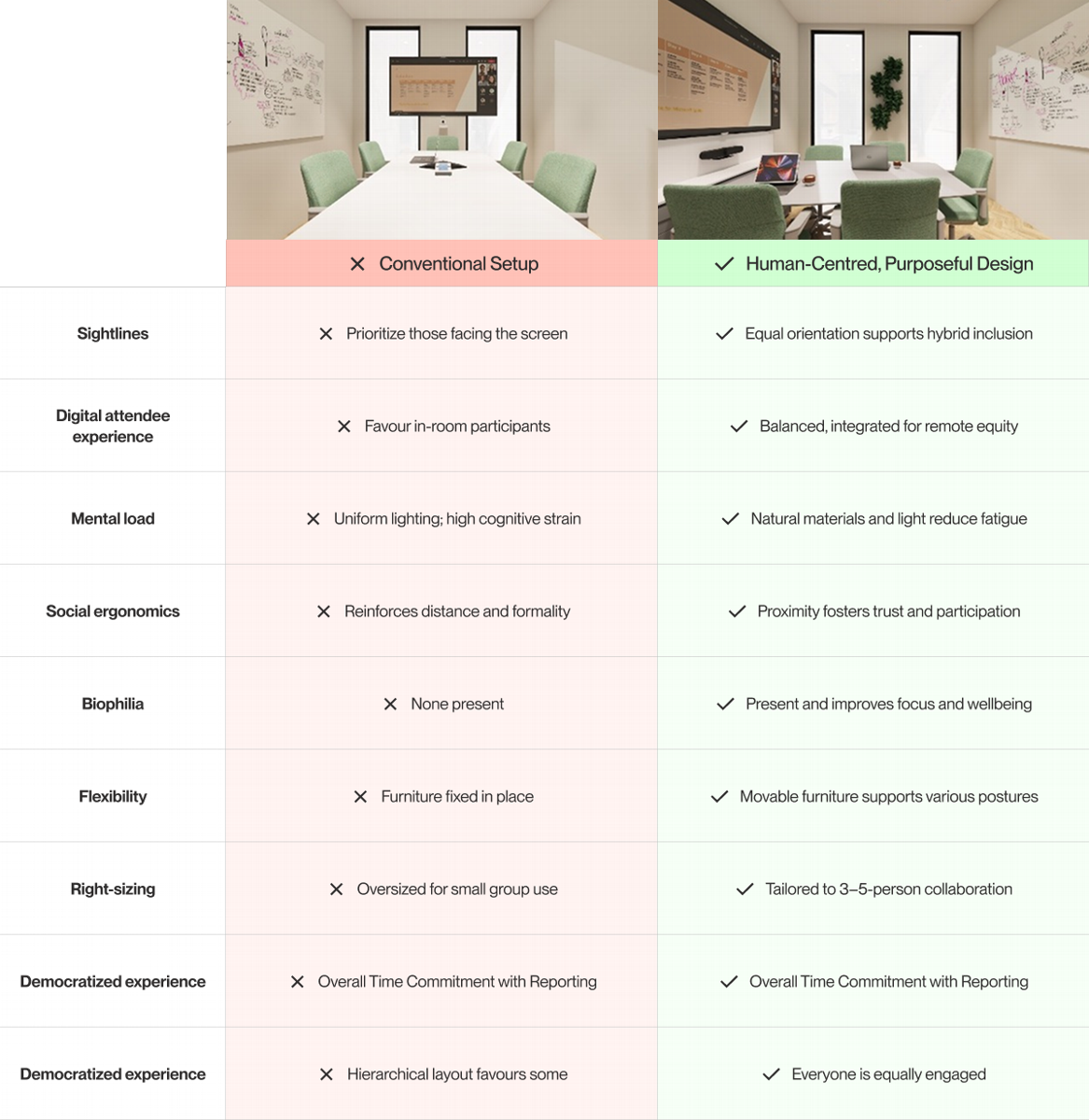
Why It Matters
These differences aren't just aesthetic, they reflect two fundamentally different approaches to how we understand work. One sees the meeting as a fixed event. The other sees it as a dynamic interaction between people, tasks, and tools. When rooms are purposefully designed, they can reduce cognitive friction, support employee connection, and adapt to shifting team needs. This is where physical, cognitive, and social ergonomics come together to create spaces that truly support performance. I believe that great meeting spaces don’t just feel better - they help people think better.
Change the Hill - Don’t Just Push Harder
Back to Sisyphus. His punishment wasn’t the boulder. It was the futility. Every day, effort with no progress = burnout. That’s what happens when we ignore space. When our best people do more, and the workplace makes it harder not easier.
And I like to think - the boulder will always be there. But the incline can change. Good office design flattens that hill. Great meeting spaces remove resistance. And that’s where the real work begins.
Humanscale can help you redesign the incline—so your teams aren’t just pushing harder, they’re moving smarter. From ergonomic tools to expert training, Humanscale can help you transform meeting spaces into momentum builders. For more inspiration check out this article on Collaborative Spaces and start creating spaces that enable real progress.
References
- Leesman Index Global Report (2024): Workplace experience data
- WFH Research: Barrero, Bloom & Davis (2023), Stanford/IMF
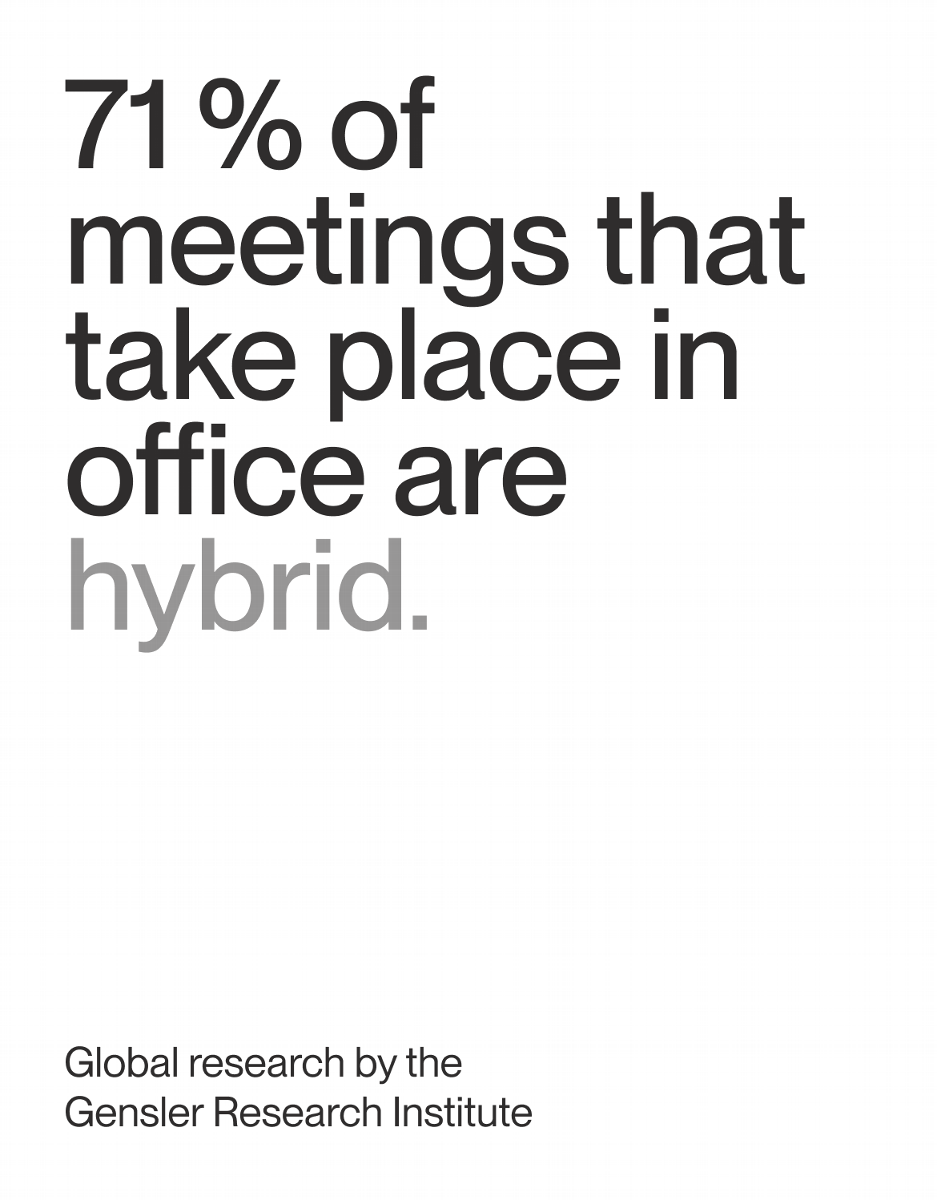
- Gensler Research Institute (2023): Hybrid and office trends
- Presentation: The Art of Meeting, Oliver Baxter, 2025