
Understanding the Problem with Chrome 6
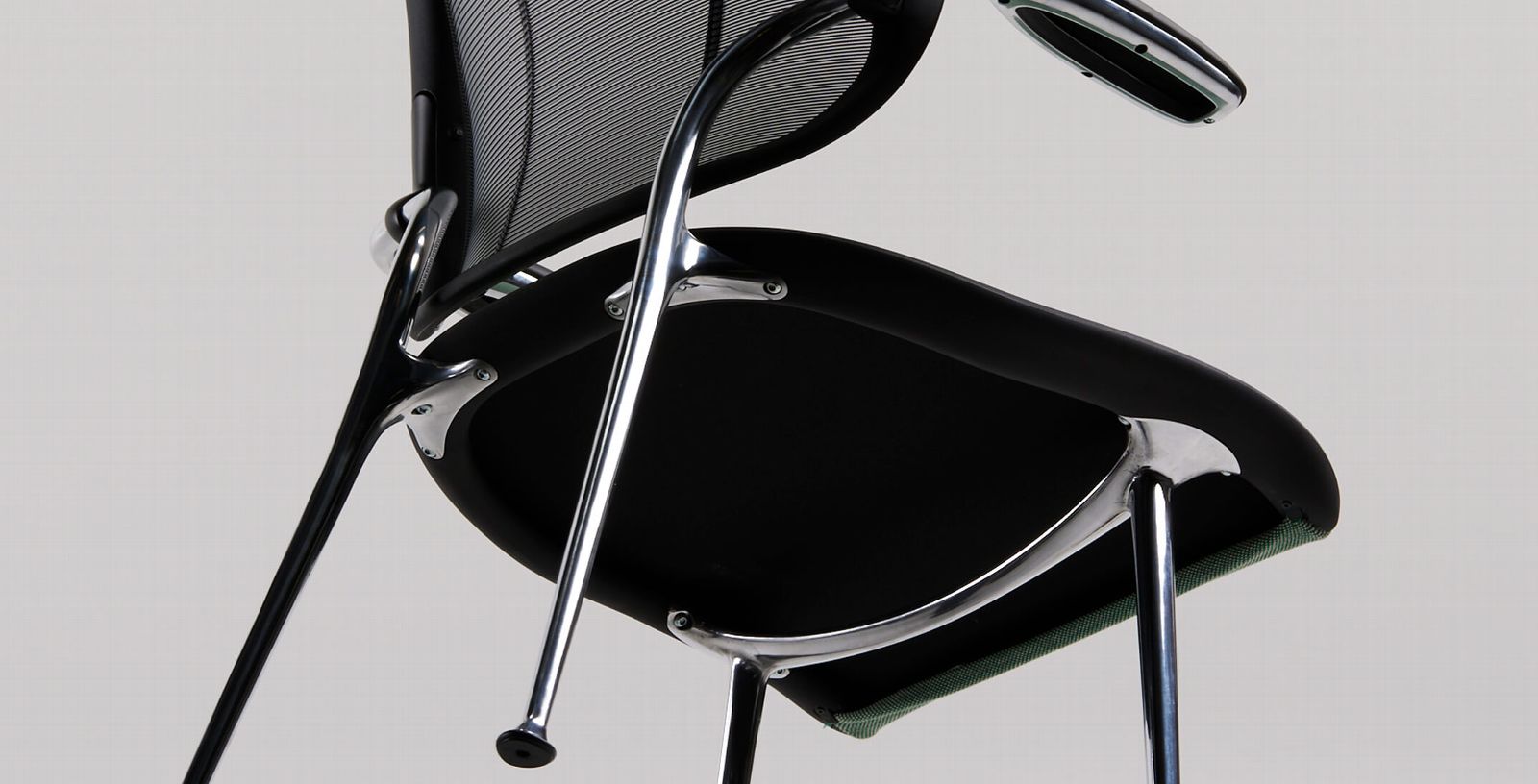
Hexavalent chromium, more commonly known as Chrome 6 or Chromium VI, is a chemical compound frequently used in industrial processes, including metal finishing, tanning, and pigment production. Its popularity stems from the reflective sheen and corrosion resistance it imparts to metals, making it a common choice for coating everything from automotive parts to contract furniture. However, the bright, polished look often comes with a hidden cost to both human health and the environment.
The U.S. Environmental Protection Agency (EPA) classifies Chrome 6 as a known human carcinogen when inhaled. Workers exposed to Chrome 6 dust or fumes face elevated risks of lung, nasal, and sinus cancers, while prolonged skin contact can cause rashes and ulcerations. Beyond industrial settings, improper waste management can contaminate soil and water, exposing communities to long-term health risks.
Despite these well-documented hazards, Chrome 6 remains widely used in industrial and manufacturing processes due to its cost-effectiveness and the challenges of transitioning to safer alternatives. Many manufacturers hesitate to change due to financial concerns or the complexity of adjusting supply chains, leaving architects, designers, and facility managers to navigate difficult decisions about specifying safe, sustainable materials.
Chrome 6 in Drinking Water: A Nationwide Concern
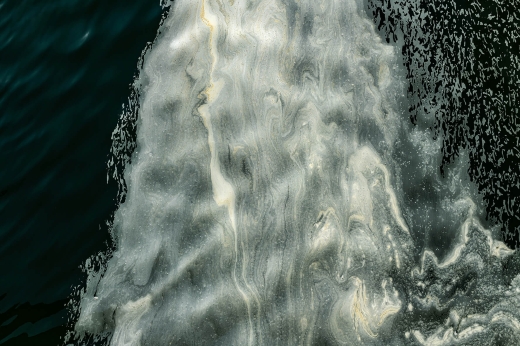
While Chrome 6 is most often associated with industrial workspaces, one of its most concerning threats is its presence in public drinking water supplies. A nationwide study by the Environmental Working Group (EWG) found that Chrome 6 contaminates the tap water of more than 200 million Americans. This contamination occurs when industrial waste, improper disposal practices, and natural erosion release Chrome 6 into groundwater, where it can persist for decades.
Exposure to Chrome 6 in drinking water has been linked to an increased risk of stomach and liver cancers, reproductive issues, and developmental harm. Even in small concentrations, prolonged exposure poses significant health risks, leading to calls for stricter regulations. The U.S. currently lacks a federal limit on Chrome 6 in drinking water, despite mounting evidence of its dangers. This underscores the urgent need for manufacturers to eliminate Chrome 6 from their production processes—not only for worker safety but also to prevent contamination that affects entire communities.
The Toxicity of Chrome 6
- Carcinogenicity: The International Agency for Research on Cancer (IARC) classifies Chrome 6 as a Group 1 carcinogen (the highest risk category).
- Occupational Exposure: The Occupational Safety and Health Administration (OSHA) enforces strict Permissible Exposure Limits (PELs) for Chrome 6 in workplaces, but enforcement and compliance remain inconsistent.
- Environmental Persistence: Chrome 6 is water-soluble, meaning it can easily leach into soil and groundwater, making remediation efforts costly and difficult.
Given these risks, architects, designers, and facility managers should carefully weigh the aesthetic and economic benefits of Chrome 6 against its severe health and environmental consequences.
Pathways to a Safer Industry
- Substituting Chrome 6 with Safe Coatings: Safe alternatives like trivalent chromium (Chrome 3) and low-toxicity powder coatings are increasingly viable options.
- Using Alternative Metals and Finishes: Many manufacturers are switching to aluminum and stainless steel, which can achieve a polished finish without toxic plating processes.
- Strengthening Supply Chain Transparency: Manufacturers are adopting LEED, WELL, and BIFMA LEVEL certifications to demonstrate compliance with health and sustainability standards.
While transitioning away from Chrome 6 may require upfront investments, the long-term benefits—safer workplaces, cleaner water, and enhanced brand reputation—far outweigh the costs.
Humanscale’s Pioneering Elimination of Chrome 6
Humanscale has demonstrated that removing Chrome 6 from manufacturing is possible—without compromising quality or design. Recognizing the health and environmental hazards, we took decisive steps to eliminate Chrome 6 across our entire product line.
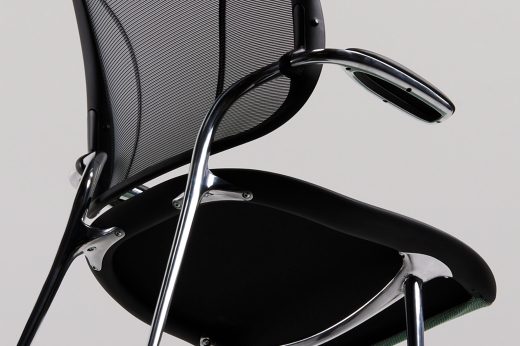
Rather than using Chrome 6, we finish our chair bases and metal parts with polished aluminum, which provides the same aesthetic appeal and durability—without the toxicity. Aluminum also has a high scrap value, ensuring it is actively recycled instead of ending up in landfills. This aligns with circular economy principles, where materials are repurposed rather than discarded. By eliminating Chrome 6, we’re reducing exposure risks for workers, consumers, and communities, while also minimizing harmful industrial waste. Our proactive approach has set a new standard, demonstrating that eliminating Chrome 6 is both feasible and necessary for responsible manufacturing.
The Opportunity for Impact at Scale
Momentum is building for safer materials. Increased consumer awareness, regulatory scrutiny, and corporate sustainability commitments are pushing manufacturers to phase out toxic chemicals like Chrome 6. Early adopters who embrace healthier alternatives will gain competitive advantages, including lower liability risks, improved workplace safety, and stronger brand loyalty.
Architects, designers, and facility managers hold tremendous influence in shaping this shift. By specifying Chrome 6–free products, they drive demand for safer alternatives and accelerate industry-wide progress. These choices, when made at scale, have a multiplier effect—encouraging research, innovation, and the adoption of new finishing technologies that benefit both human health and the environment.
Leading the Industry in Healthy Materials and Transparency
At Humanscale, we believe that the materials used in furniture should support human health and environmental well-being. We review 99.9% of the ingredients of a product to ensure that toxic chemicals are not present. We are proud to be the first to have eliminated harmful chemicals like Chrome 6, halogenated flame retardants (HFRs), PFAS, and added antimicrobials from all of the products we design and manufacture. Nearly all of our products come with ingredient labels, allowing customers to make informed decisions about the materials they bring into their spaces. By prioritizing material safety and transparency, we are proving that high-performance design does not require toxic trade-offs.
Since 2015, Humanscale has led the industry by publicly disclosing our product health impacts through Declare labels, our social impacts through JUST labels, and our product footprints through Life Cycle Assessments (LCAs)—something no other furniture company does. While many manufacturers resist transparency, we continue to push the industry forward, conducting in-depth material research, third-party audits, and toxicological reviews to ensure our products meet the highest standards. With the largest portfolio of Declare and HPD labels in the industry, we are setting a new precedent: safer, healthier furniture should be the standard—not the exception.
Evidence and References at a Glance
EPA on Chromium Compounds: EPA - Chromium Compounds
IARC Classification of Chromium (VI): IARC Monographs
OSHA on Hexavalent Chromium: OSHA - Hexavalent Chromium
Chrome 6 in Drinking Water: EWG Study on Chromium-6
By making informed choices and demanding safer alternatives, we can create a healthier, more sustainable future for all.


.jpg)

