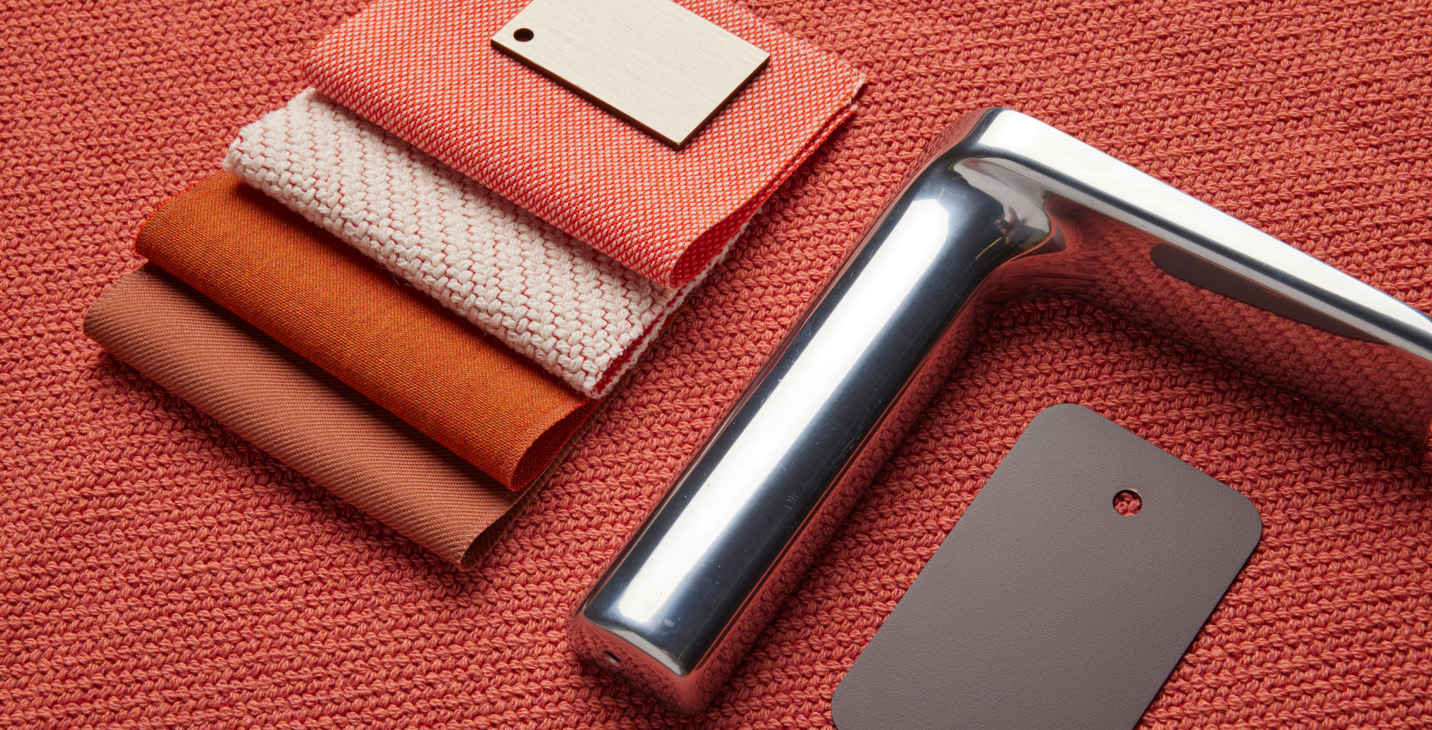
How much do we really know about the materials in the products we bring into our workplaces and homes?
According to the U.S. Environmental Protection Agency (EPA), people spend approximately 90% of their time indoors, where concentrations of some pollutants can be two to five times higher than typical outdoor levels. Building materials, furnishings, cleaning products, and other everyday items can all contribute to indoor environmental quality and influence the spaces where we work, focus, and collaborate.
As organizations place greater emphasis on employee wellbeing, sustainability, and responsible procurement, attention is shifting beyond how products look or perform to what they contain. The materials used in office furniture and interior products can affect indoor air quality, human health, and environmental outcomes throughout a product's lifecycle from raw material extraction to manufacturing, use, and eventual disposal.
This growing focus has helped elevate the importance of healthy materials: products designed with safer chemistry, greater transparency, and reduced environmental impact in mind. Whether designing a corporate headquarters, specifying furniture for a workplace renovation, or creating a productive home office, understanding healthy materials can help support healthier spaces and more informed decision-making.
What Are Healthy Materials?
Healthy materials are materials selected with human health, environmental impact, transparency, and safer chemistry in mind.
While performance, durability, and aesthetics remain important considerations, healthy materials go a step further by examining what products contain, how they are manufactured, and how they may affect the people who use them every day.
A healthy material approach encourages manufacturers, designers, and specifiers to consider the full picture. This includes sourcing, chemical content, indoor air quality impacts, product longevity, and end-of-life considerations.
In simple terms, healthy materials are about making informed choices that support both people and the planet.
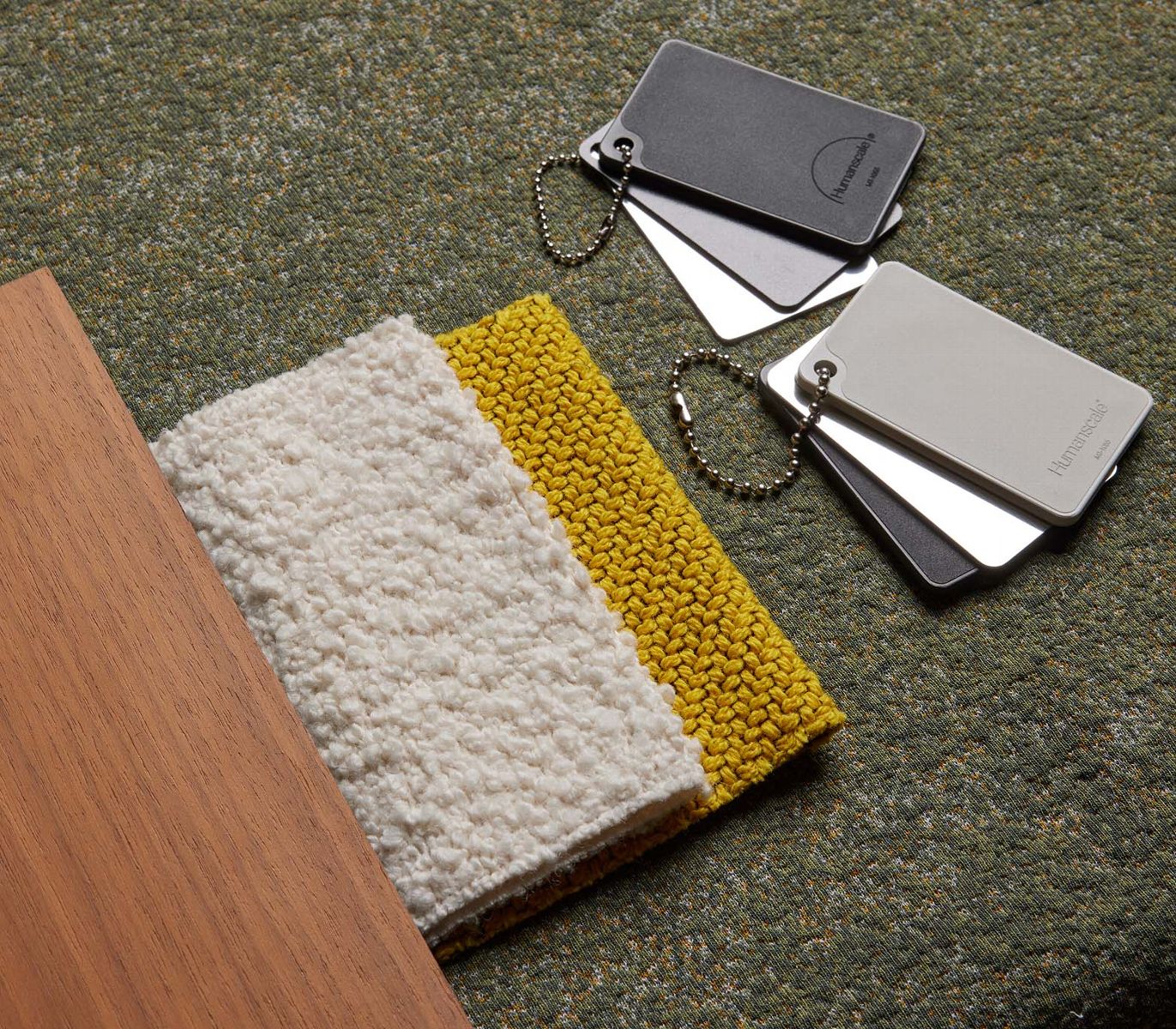
Why Materials Matter in Office Furniture and Interior Products
The products we interact with every day become part of our indoor environments. Office furniture, seating, textiles, finishes, and home office furniture can remain in use for many years, creating ongoing exposure to the materials they contain.
Because most of our lives are spent indoors, the quality of those environments matters. Research from the EPA notes that indoor pollutant levels are often significantly higher than outdoor levels, with building materials and furnishings among the many contributing sources.
Some products may release volatile organic compounds (VOCs) or contain chemicals that raise concerns about long-term human or environmental health impacts. While regulations help address many risks, growing research and greater transparency are helping organizations better understand the importance of material selection.
For designers, facility managers, employers, and homeowners, choosing healthier materials is increasingly viewed as an essential component of responsible workplace design and sustainable design.
What to Watch For: Ingredients and Materials of Concern
Some materials commonly used in furniture and building products have raised concerns among health and environmental experts. Understanding these substances can help consumers make more informed decisions.
PFAS ("Forever Chemicals")
PFAS (per- and polyfluoroalkyl substances) are often used to provide stain resistance and water repellence. According to the U.S. EPA, many PFAS break down very slowly and can accumulate in people, animals, and the environment over time.
Where they may show up: Stain-resistant textiles, water-repellent finishes, and performance treatments.
Why it matters: PFAS are highly persistent and may remain in the environment long after a product's useful life.
What to look for instead: PFAS-free textiles and finishes, untreated materials, or manufacturers that disclose PFAS use.
Humanscale eliminated PFAS from its textiles based on the belief that temporary stain-resistance benefits do not outweigh the long-term persistence of these chemicals.
PVC
PVC (polyvinyl chloride) is a common plastic used in furniture and interiors. Concerns have been raised about certain additives as well as the material's environmental impacts throughout its lifecycle.
Where it may show up: Vinyl upholstery, flooring, wall coverings, and plastic components.
Why it matters: Some PVC formulations may contain chemicals of concern.
What to look for instead: Alternative materials such as TPOs, polyurethane alternatives, recycled plastics, or natural materials.
Humanscale have worked hard with their supply chain to remove PVC from all products other than legacy electrics.
Flame Retardants
Flame retardants have historically been added to furniture and textiles to meet fire safety requirements. Some older formulations have been linked to health and environmental concerns.
Where it may show up: Foam cushions, upholstery, and textiles.
Why it matters: Certain flame retardants can migrate into indoor environments over time.
What to look for instead: Products that meet safety standards without added chemical flame retardants.
Formaldehyde
Formaldehyde is used in some adhesives and composite wood products and is a recognized indoor air quality concern.
Where it may show up: Particleboard, MDF, plywood, adhesives, and finishes.
Why it matters: Elevated exposure may affect indoor air quality.
What to look for instead: Low-emitting, no-added-formaldehyde (NAF), or ULEF-certified products.
Humanscale select materials for their tops and surfaces like solid wood, painted wood and bamboo where only the minimal naturally-occurring traces of formaldehyde are present.
BPA
Bisphenol A (BPA) is used in certain plastics and resins and is frequently discussed in material health conversations due to concerns about long-term exposure.
Where it may show up: Plastics, resins, and protective coatings.
Why it matters: Research has raised concerns about potential health effects.
What to look for instead: BPA-free materials and products with transparent ingredient disclosures.
Humanscale has removed BPA from its products, other than where legally required, since 2021.
Chromium VI
Chromium VI (hexavalent chromium) is used in certain industrial coatings and finishing processes and is widely recognized as a material of concern.
Where it may show up: Metal coatings, pigments, and corrosion-resistant treatments.
Why it matters: Exposure has been associated with significant health risks.
What to look for instead: Alternative finishing technologies and suppliers that disclose material content.
Humanscale has removed Chrome VI from its products since 2019.
The goal is not to create alarm, but rather to encourage greater awareness. Understanding these substances allows designers and consumers to ask better questions and make more informed decisions.
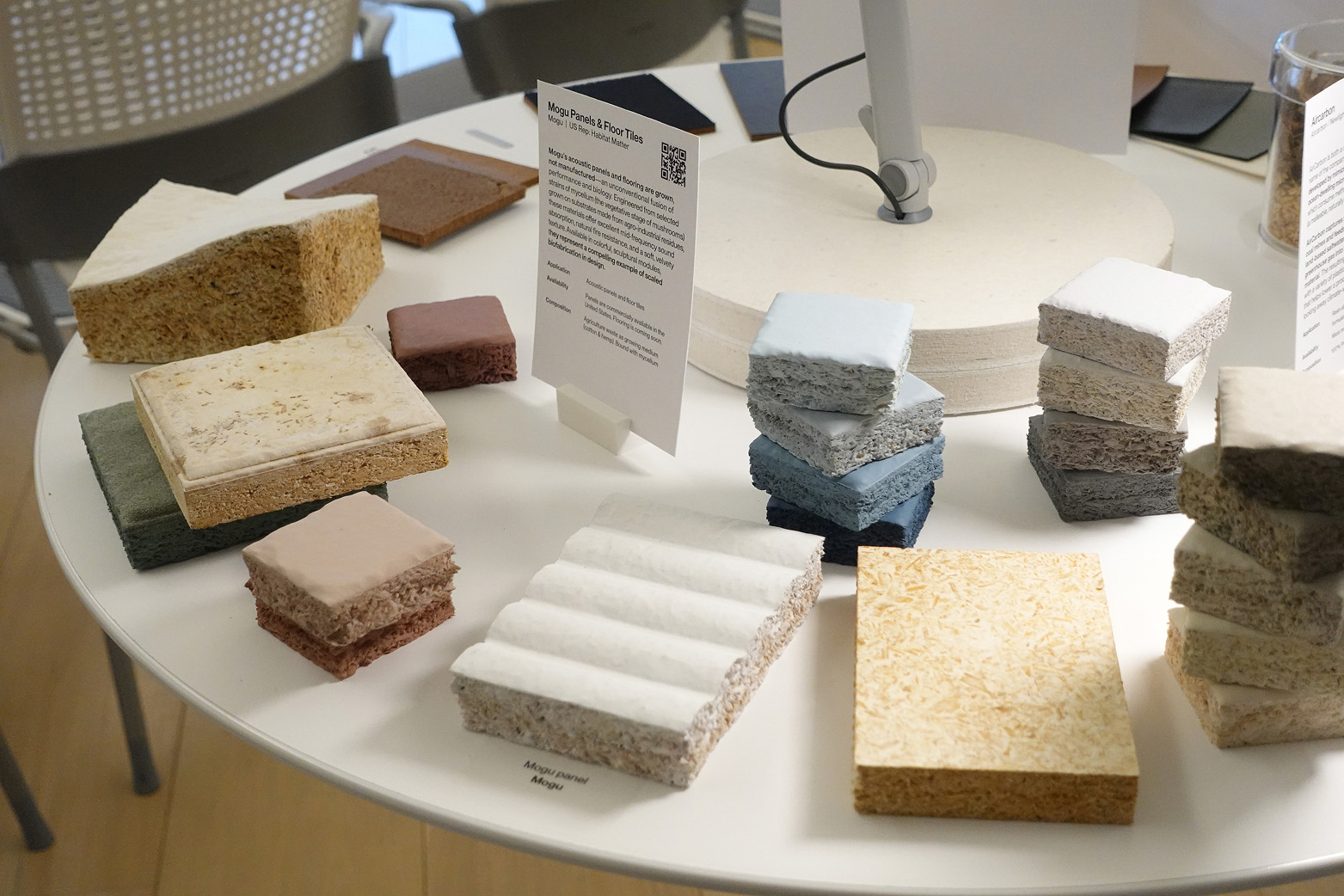
The Role of Transparency
One of the biggest challenges in evaluating healthy materials is knowing what products actually contain.
Historically, ingredient information has not always been easy to access. Today, greater transparency is helping designers, specifiers, clients, and consumers better understand the materials behind the products they select. Several tools and certifications support this effort.
Declare Labels
Often described as a nutrition label for building products, Declare Labels provide a clear overview of a product's ingredients and material content. They help designers and purchasers quickly assess whether a product aligns with their health and sustainability goals which is why 71% of Humanscale products by revenue have a Declare Label.
Health Product Declarations (HPDs)
Health Product Declarations provide detailed information about a product's contents and associated health impacts. HPDs offer a standardized way to communicate material ingredients and support informed decision-making.
Red List Free Products
The Living Building Challenge Red List identifies chemicals and materials considered among the worst in class from a human and environmental health perspective. Products designated as Red List Free avoid these substances, making them a valuable option for projects focused on material health.
Indoor Air Quality Certifications
Third-party certifications can help identify products designed to contribute to healthier indoor environments through reduced emissions and improved air quality performance.
Together, these tools make complex material information easier to understand and evaluate.
The Benefits of Choosing Healthier Materials
Healthy materials offer benefits that extend beyond compliance or sustainability reporting.
Supports Healthier Indoor Environments
Products designed with healthier chemistry and lower emissions can contribute to improved indoor air quality and more comfortable spaces.
Helps Reduce Exposure to Harmful Substances
Choosing materials that avoid chemicals of concern can help reduce potential exposure for the people who use a space every day.
Supports Better Decision-Making
Material transparency gives designers, architects, and clients the information they need to make decisions aligned with project goals and occupant wellbeing.
Contributes to Sustainable Design
Healthier materials often complement broader sustainability objectives, including responsible sourcing, reduced environmental impact, and circular design principles.
Builds Trust
Transparency creates confidence. When manufacturers openly disclose product ingredients and environmental information, clients can make purchasing decisions with greater certainty.
Creates Long-Term Value
Healthy materials support outcomes that benefit people, buildings, and the environment over the long term.
Healthy Materials in Workplace Design
Material choices are especially important in commercial environments where large numbers of people share the same space every day.
From conference rooms and workstations to collaboration areas and focus spaces, office furniture and interior products contribute to the overall workplace experience.
Organizations increasingly recognize that healthier workplaces support employee wellbeing, responsible procurement strategies, and broader sustainability commitments.
By prioritizing healthy materials, companies can help create environments that support indoor air quality, transparency, and long-term performance while aligning with evolving expectations around workplace health and environmental responsibility.
Healthy Materials in Home Office Design
As remote and hybrid work continue to shape how people work, healthy materials have become just as important in the home office.
Many people spend hours each day in dedicated workspaces within their homes. The furniture and products selected for these environments can influence comfort, wellbeing, and everyday exposure to materials.
Choosing sustainable home office furniture made with responsible materials can help create a workspace that supports both productivity and peace of mind.
Whether furnishing a dedicated office or a small workspace within a larger room, healthier material choices can contribute to a more comfortable and supportive home environment.

How to Select Better Alternatives
Making informed choices does not require becoming a materials expert.
- A few practical steps can help identify healthier options:
- Look for manufacturers that openly disclose product ingredients.
- Request Declare Labels or Health Product Declarations when available.
- Consider products that are Red List Free.
- Review indoor air quality certifications and emissions testing results.
- Choose manufacturers with clear sustainability and material health commitments.
- Prioritize durable products designed for long-term use.
- Ask questions about material sourcing, chemistry, and environmental impact.
Transparency is often one of the strongest indicators that a manufacturer takes material health seriously.
Better Outcomes Begin with Better Awareness
Healthier spaces start with better information.
When we understand what is in the products we bring into our workplaces and homes, we are better equipped to make choices that support human health, indoor air quality, and long-term sustainability.
As material transparency continues to improve, designers, organizations, and consumers have greater opportunities to create environments that prioritize both performance and wellbeing.
Every material choice shapes the spaces we inhabit. By choosing healthier materials and seeking greater transparency, we can help create workplaces and home offices that are better for people, better for buildings, and better for the planet.
Sources:
https://www.epa.gov/report-environment/indoor-air-quality
Volatile Organic Compounds' Impact on Indoor Air Quality | US EPA
Healthy Building Network, PVC and Health Concerns
https://greensciencepolicy.org/our-work/furniture/
U.S. EPA, Formaldehyde and Indoor Air Quality
https://www.niehs.nih.gov/health/topics/agents/sya-bpa
https://www.osha.gov/hexavalent-chromium
Declare - International Living Future Institute
https://www.humanscale.com/about/health-product-declarations