Reconnecting people, place, and performance
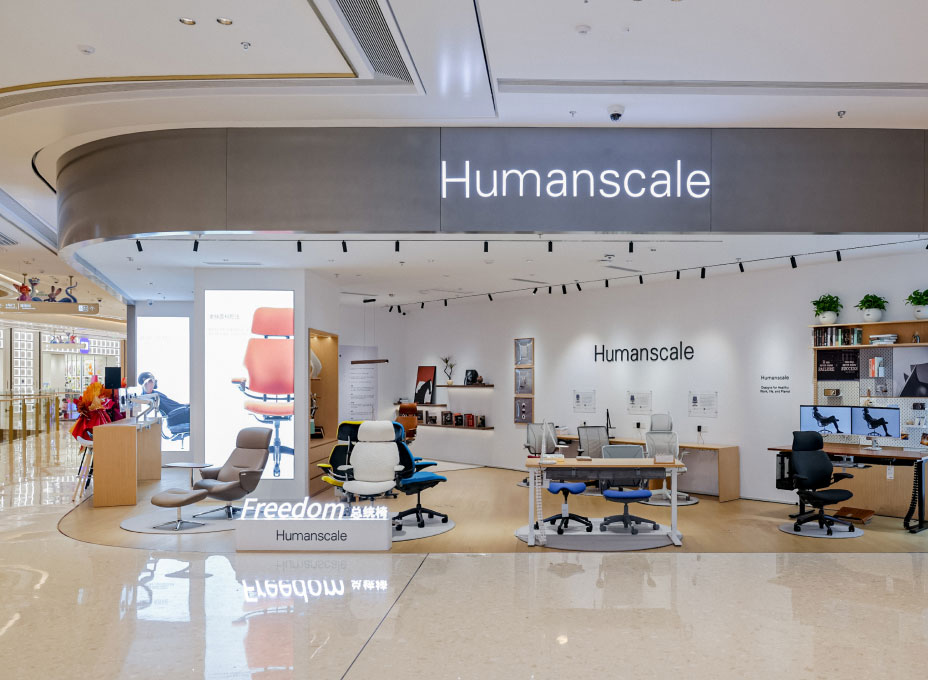
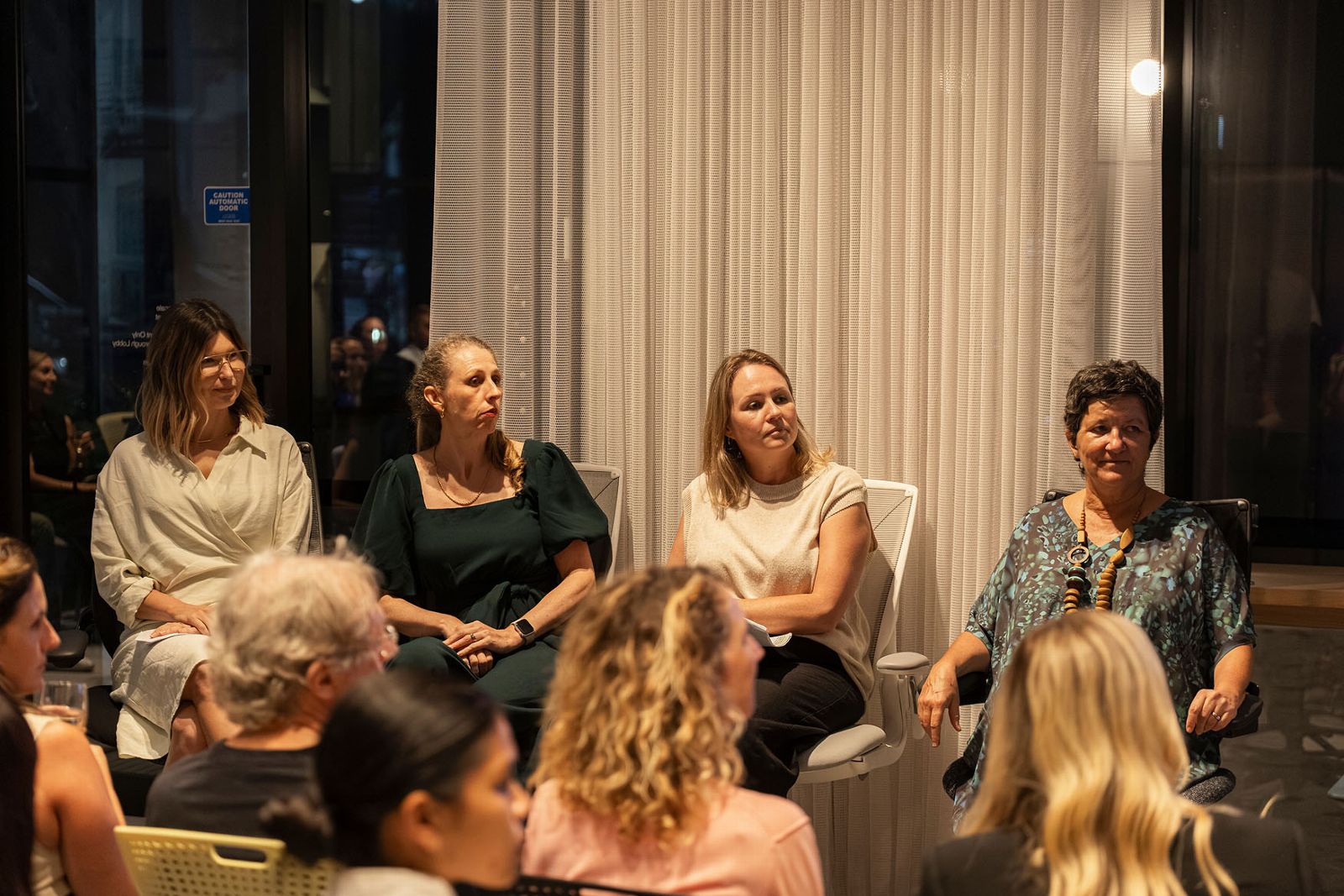
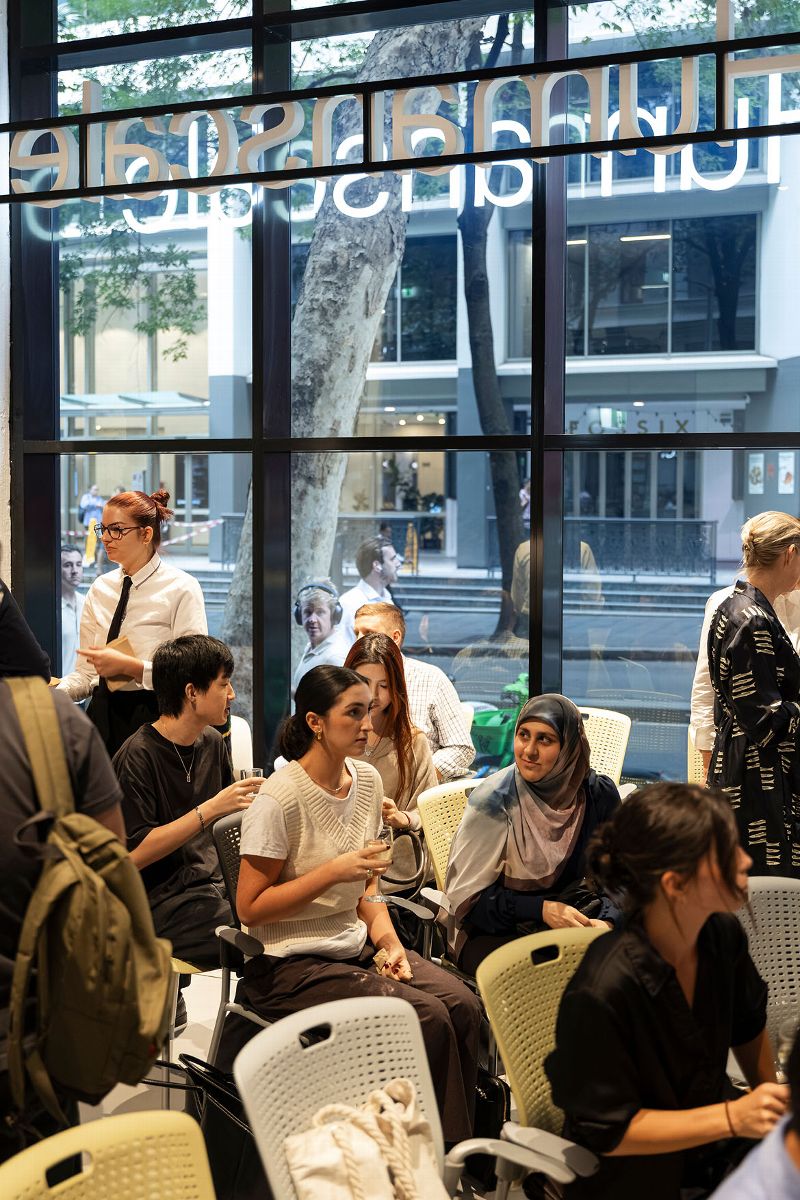
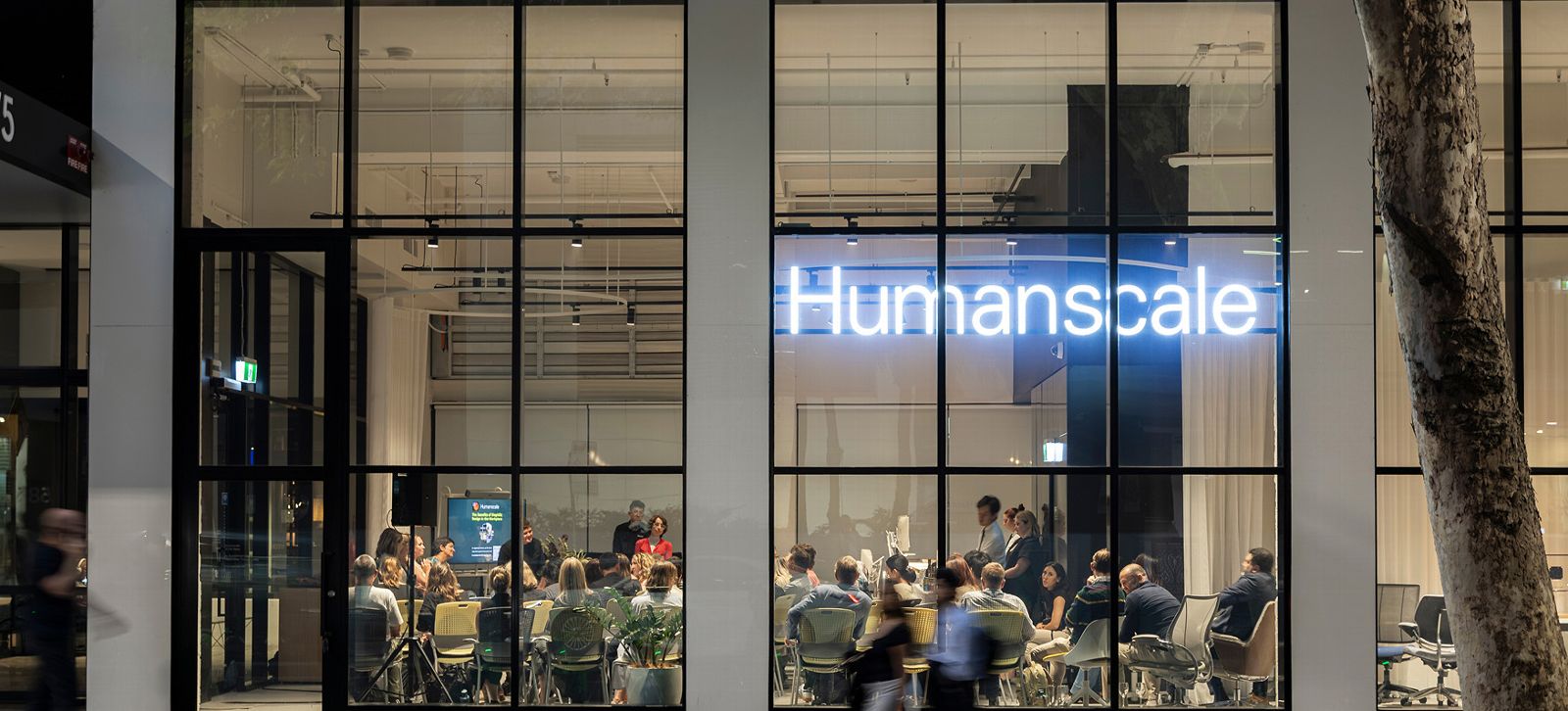
In March 2026, Humanscale and Architects Declare hosted a panel of leading voices in research and design at its newly opened Sydney showroom, bringing together experts to explore how biophilic principles are reshaping the modern workplace.
Featuring Professor Christhina Candido (University of Melbourne), Caroline Pidcock (University of Newcastle), Karin Martin (Humanscale), Samantha Ellinson (COX Architects), and Lucy Sutton (Bates Smart), the discussion reinforced a clear and urgent idea: designing with nature is essential to human wellbeing, organisational performance, and a regenerative future.
Reframing Our Relationship with Nature
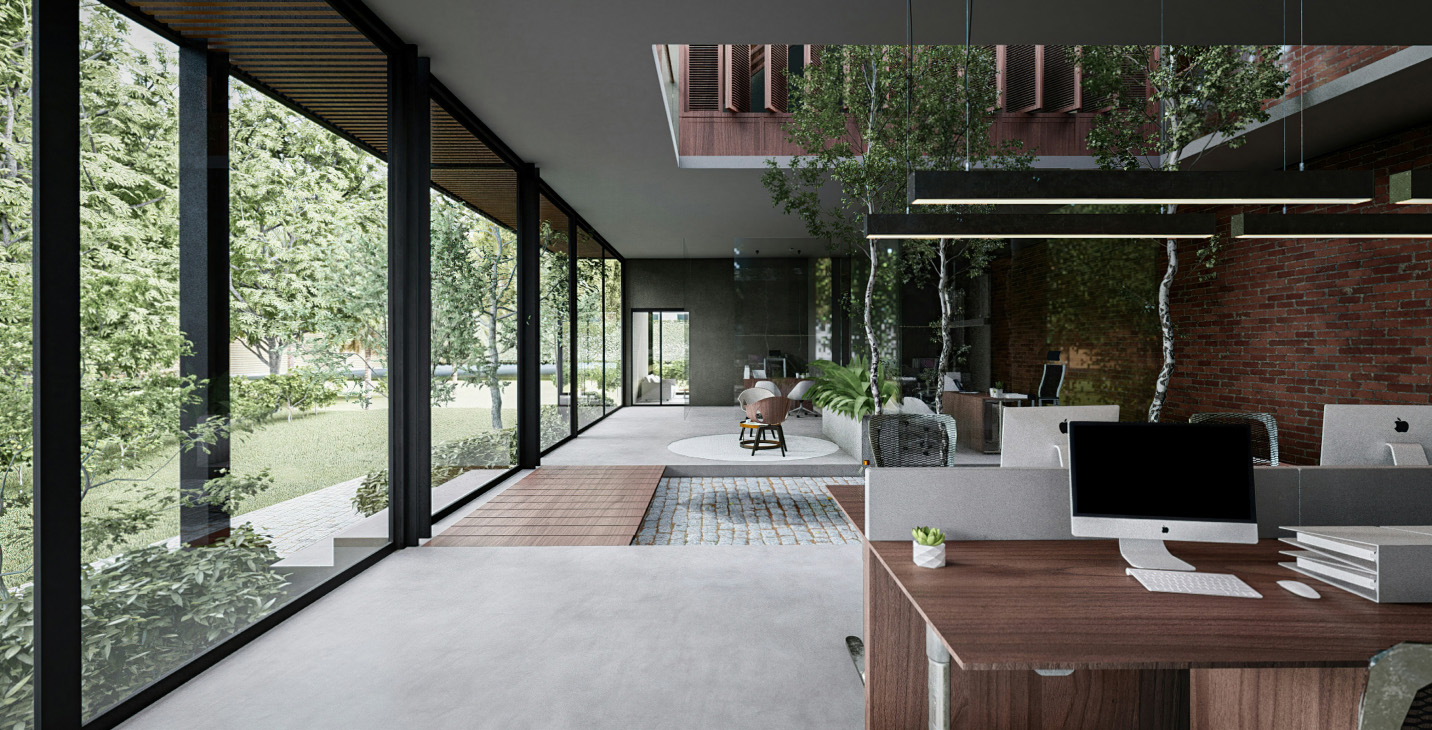
Biophilic design begins with a mindset shift—recognising that humans are not separate from nature, but part of it.
Caroline Pidcock emphasised the importance of this reconnection: “We need to see the natural world not as a resource, but as a community we belong to—this is where meaningful design begins.”
Pidcock went on to reference Stephen Kellert—widely regarded as a founding figure in biophilic design—for his influential principles and framework underpinning the discipline. As Kellert stated, “The values of biophilia require that we seek to harmonise nature with humanity if we are to achieve a just, secure, sustainable and fulfilling future.”
At Humanscale, this philosophy underpins a commitment to designing products and environments that support both people and planet—prioritising long-term wellbeing over short-term efficiency.
Designing for Healthy Work, Life and Planet
“Healthy and green designs lead the way—biophilic workplaces don’t just feel better, they perform better” stated Professor Christhina Candido who went on to share compelling research demonstrating the measurable impact of biophilic environments on workplace outcomes.
Her research highlights:
• +15% increase in satisfaction and perceived productivity
• +25% higher utilisation in biophilic spaces
• Workers are drawn to natural materials and daylight—staying longer and engaging more deeply
Creating Workplaces that Foster Connection
Biophilic design is not only about individual wellness—it strengthens social and cultural connection. Samantha Ellinson highlighted the importance of designing for people and place saying, “The most successful workplaces are those that create a genuine sense of belonging—connecting people to each other and to the environment around them.”
Panel discussions identified key principles:
• Fostering community ownership and connection
• Strengthening ties between land, culture, and people
• Designing inclusive, welcoming spaces
• Embedding local stories through materials and sensory experience
Nature as an Integrated Design Strategy
Lucy Sutton emphasised that biophilic design must be embedded from the outset—not applied as decoration saying, “Biophilic design works best when it’s intrinsic to the architecture—layered through light, materiality, and spatial experience.”
Effective strategies include:
• Maximising daylight and outdoor views
• Using natural materials and textures
• Creating refuge spaces for focus and restoration
• Designing with organic forms and sensory richness
Biophilic Design as a Pathway to Sustainability
The panel also explored the deep connection between biophilic and regenerative design.
Karin Martin of Humanscale highlighted the role of responsible material choices stating, “True sustainability means designing beyond ‘less harm’—it’s about creating environments that actively support both human health and the planet.”
Examples discussed include:
• Reuse of furniture and components
• Demountable and adaptable systems
• Circular material strategies
• Up to 80% reduction in embodied carbon through thoughtful design
A Regenerative Future for Workplaces
The discussion closed with a powerful reminder from author, Robin Wall Kimmerer, of the role design plays in shaping our future, “Life wants to continue… but it’s our relationship with land that’s broken, and we have the power to change that.” Biophilic design offers a pathway forward—one that reconnects people with nature, supports wellbeing, and drives sustainable innovation.
Closing Thoughts
The future workplace is not just efficient—it is restorative, inclusive, and regenerative.
By integrating biophilic principles, organisations can:
• Enhance employee wellbeing and productivity
• Reduce environmental impact
• Create meaningful, human-centred experiences
At Humanscale, this vision is already in motion—through designs that support movement, prioritise healthy materials, and reconnect workplaces with living systems.
Because when we design with nature, we design for life.